When you first hit your taiko and felt its deep sound, it is not only the wood and leather, but also your partner. However, taiko drums are sensitive to weather. Humidity and temperature can damage them over time, causing loose heads or cracks. Knowing some simple ways to care for your drum is really essential.
Why taiko drums react to the weather?
As we all know, the wooden body and the leather head are two main parts of taiko drums.Both of them have strong reactions to air, even after being made. For example, wood will move with humidity. When the air is dry, they lose moisture and contract. This constant expansion is just like breathing. But if the environment changes rapidly, the wood can cause cracks. On the other hand, Leather changes too. In wet air, it gets soft. While in dry air, it tightens. Because of the changes, sounds of taiko drums will become not good. Therefore, the key to protect your taiko drum is very simple, you need to keep your drum in a stable environment.
How to do some easy daily care?
After playing, you can take a few minutes for this routine to keep your taiko drums.
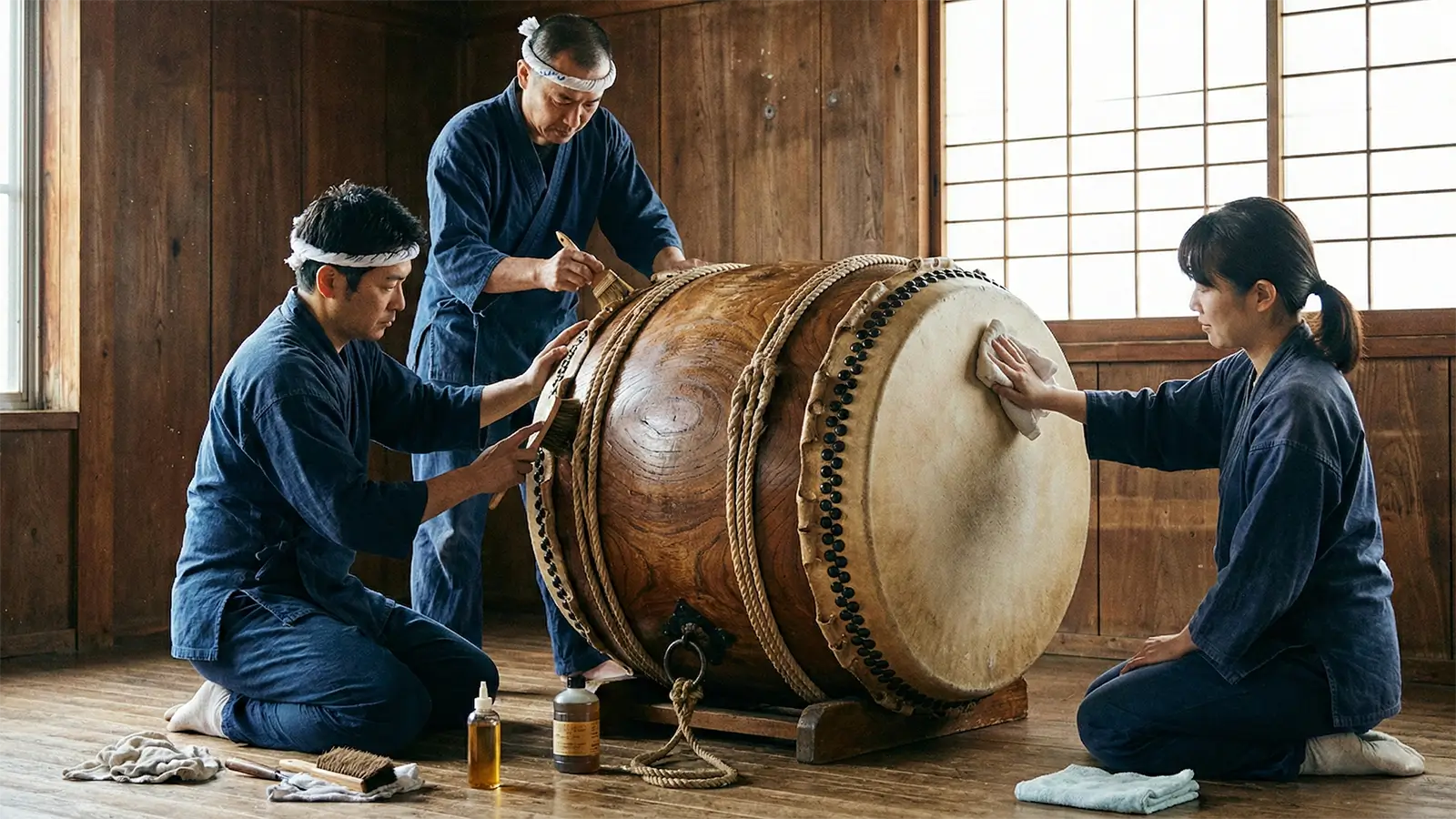
Firstly, you need to wipe out the sweat. Because sweat contains salt and oils. If sweat isn’t wiped off, the salt can attract moisture from the air, keeping the head damp and even causing mold. Worse, it can damage the leather and metal parts. So using a soft and dry cloth to wipe the head and the rim is necessary.
In addition to, we often overlook where the taiko is placed after practicing. But please remember that you never place your taiko directly under the sun and strong air vents. Extreme conditions will be harmful to the taiko drums.
How can players do in rainy season?
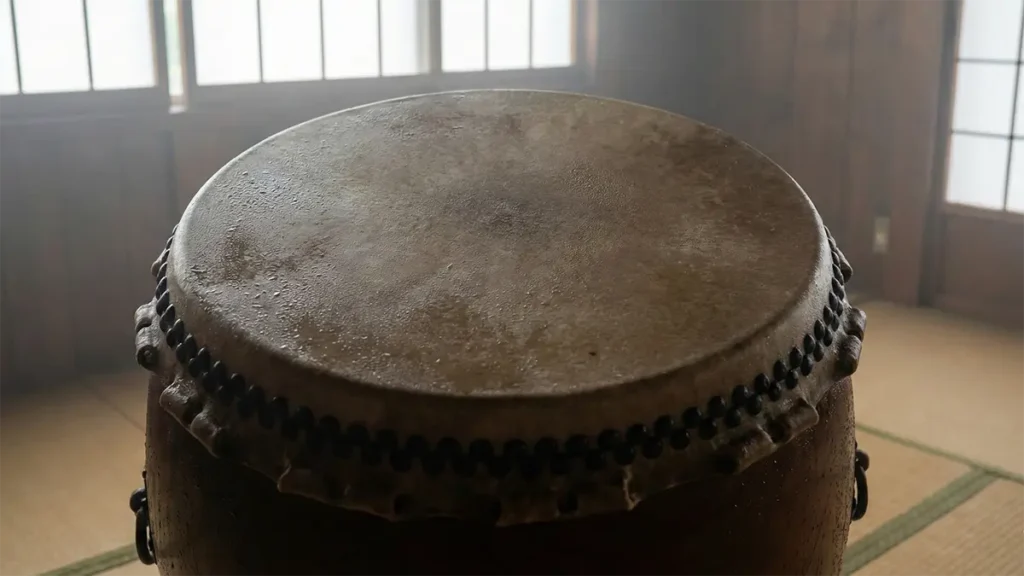
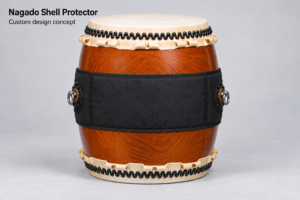
When the air feels damp, the head of taiko will absorb too much moisture. This means that your drum’s sound may become weak. If you can’t control the humidity of the room, you can give taiko drums a breathable cover to protect it. But you cannot use heat like a hairdryer and sunlight to try to dry the drum, it can ruin the leather.
How can players do in dry and winter weather?
For wooden instruments, dryness is often more dangerous than humidity. Humidity might just make the sound worse , but dryness will lead to cracking permanently.
In order to avoid this issue, you need to notice some warning signs like small cracks in the wood first. And then, you can place a bowl of water nearby to add moisture. By the end, if you live in a dry climate, you can consider a JINLEI composite drum. It is made of layered materials that stay stable in changing weather.
Simple storage tips
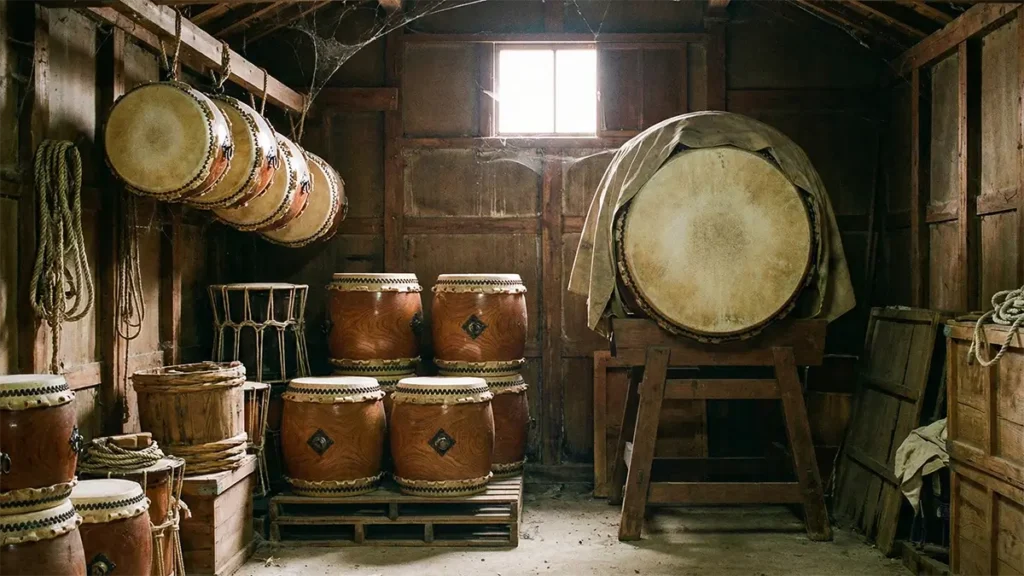
First, you can not put your drum directly on the floor. You must need to use its stand or a wooden board to keep air flowing underneath. On the other hand, keeping it away from windows, heaters and doorways is also essential. The taiko drums are very weak so you should help them avoiding to expose under the sun and heat .
Finally, if you won’t play it for a month or more, you should loosen the ropes on tied drums to relax the head.
Final Thought
Honestly, caring for your taiko is not very difficult. The most important thing is about keeping it in a stable place and cleaning it after playing them. A drum with good care will sound better over time and stay with you for years.
Q1: There are some black spots on the drumhead. Is it mold?
A: If they are light white spots , it may be surface mold. You can gently wipe with a cloth dipped in a little rubbing alcohol, then dry it immediately. But if you find they are dark spots, you may need to ask for professional help.
Q2: Why does my drum sound too sharp in winter?
A: It is usually because the air is too dry, causing the head to shrink or tighten. You can try raising the room’s humidity slightly, and avoid hitting it too hard until it adjusts.
Q3: Do JINLEI drums need the same care as a solid wood drum?
A: Although our JINLEI drums’ bodies are very durable, the leather head still needs protection from extreme humidity or dryness. You can worry less about the wood cracking, but please remember to continue to treat the cowhide.
Q4: Can I put oil on the drumhead for caring?
A: No. Oil can ruin the sound of taiko drums. keeping it clean and dry is the best way to protect them.