A well-made taiko drum does not come with a meaningful expiration date. The shell may serve for decades—and, in some cases, pass from one generation to the next—while the natural-hide heads, ropes, and protective finish age at very different rates.
The practical answer is therefore:
A taiko drum lasts as long as its shell remains structurally sound and the parts that wear out can be repaired or replaced. The drumhead is usually the first major component to need attention, but its condition—not its age alone—should determine when it is replaced.
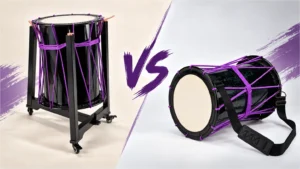
A school drum played every day, a festival drum exposed to weather, and a concert instrument used a few times per month will not follow the same maintenance schedule. Construction also matters: a fixed-head Nagado Daiko, a rope-tensioned Oke Daiko, and a portable Katsugi Daiko place different demands on their hides, shells, ropes, and hardware.
This guide explains what actually determines taiko lifespan, how to inspect each part, and how to decide whether your instrument needs routine care, professional reheading, shell repair, or complete replacement.
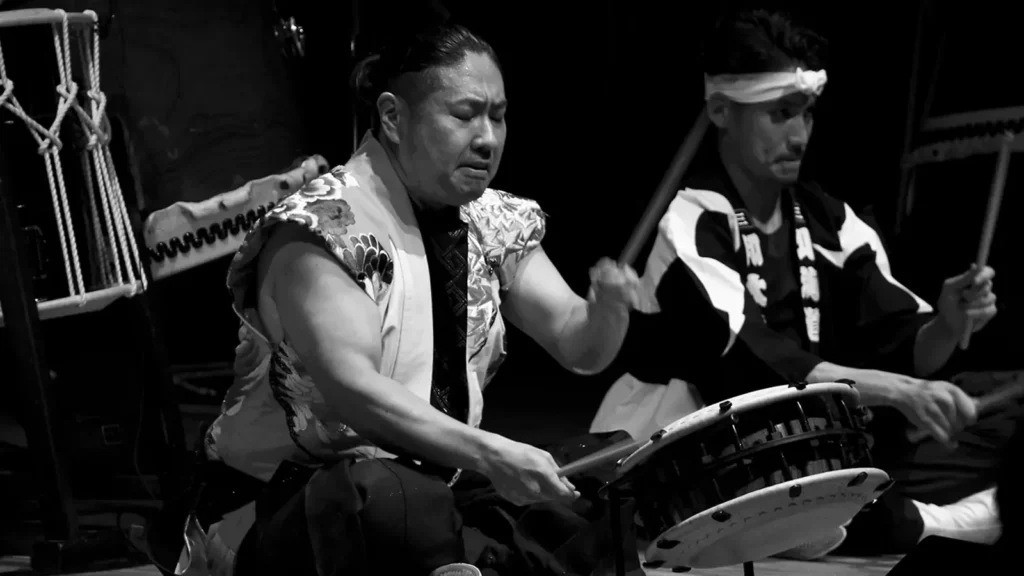
Taiko Lifespan at a Glance
There is no responsible way to promise one lifespan for every taiko. Use the following as a component-based planning framework, not a warranty or replacement calendar.
| Component | Expected service pattern | What usually ends its useful life |
|---|---|---|
| Wooden shell | Potentially many decades; often repairable | Severe structural cracking, distortion at the bearing edge, failed joints, rot, or repair costs disproportionate to the instrument |
| Natural cowhide head | Highly variable; inspect by condition rather than years | Tear, deep crack, permanent dent, excessive stretch, uneven tension, or unacceptable loss of tone and response |
| Rope on Oke/Katsugi drums | Replaceable wear component | Fraying, glazing, stretching, damaged fibers, unreliable knots, or inability to hold even tension |
| Tacks and metal fittings | Long-lived but inspection-dependent | Looseness, corrosion, movement, or damage to the surrounding wood and hide |
| Surface finish | Renewable protection | Worn-through coating, deep impact damage, moisture intrusion, or widespread separation from the wood |
| Stand, handles, and straps | Separate safety-critical equipment | Loose joints, cracks, damaged fasteners, torn stitching, or reduced load-bearing reliability |
Why There Is No Single “Average Lifespan”
Two visually identical drums can age very differently. The total number of strikes matters, but so do where those strikes land, the bachi used, storage conditions, transport habits, and the original construction quality.
The most important variables are:
- Playing frequency and intensity. Daily ensemble rehearsals create more impact cycles than occasional ceremonial use. Large, heavy bachi and forceful technique also place more energy into the head and rim.
- Strike distribution. Repeatedly attacking one small area concentrates abrasion, heat, and fiber fatigue. TaikoMasa specifically warns that continuous striking in one spot and rubbing strokes accelerate wear and tearing, especially on smaller drums.
- Temperature and humidity. Natural hide exchanges moisture with the surrounding air. Humidity can soften and relax it; dry heat can make it contract and raise tension. Rapid or extreme changes stress both head and shell.
- Drum design. A fixed, tacked head cannot be routinely detensioned like a rope-tensioned head. A lightweight carried drum also has different shell, hide, rope, and handling requirements from a floor-standing Nagado.
- Materials and workmanship. Hide selection, even stretching, bearing-edge preparation, shell seasoning, joint quality, and protective finishing all influence long-term stability. See how professional taiko drums are made for a closer look at these construction stages.
- Handling and storage. A drum may suffer more damage from a wet outdoor event, a hot vehicle, an unstable stand, or improper stacking than from months of normal playing.
That is why age is useful for recordkeeping but weak as a replacement rule. A ten-year-old drum in stable storage may be healthier than a two-year-old instrument subjected to rain, direct sun, damaged bachi, and repeated blows to one spot.
The Drumhead Is Usually the First Major Wear Component
Most traditional taiko use natural cowhide. Hide is strong, but it is an organic, tensioned membrane that must absorb thousands of impacts while responding to its environment.
Normal aging is not automatically a defect. A new head can settle, and its voice may mature as it is played. Surface marks and some cosmetic discoloration are also expected. The question is whether the head still performs safely and musically.
Signs a taiko head may need professional assessment
- A tear, puncture, split, or crack that continues to grow
- A permanent depression or badly thinned striking area
- Localized soft spots or tension that is noticeably uneven around the head
- A loose, papery, or lifeless response that does not recover under normal conditions
- A clear loss of projection, articulation, or sustain compared with the drum’s established baseline
- Buzzing or rattling traced to hide, tacks, rope, or edge contact rather than the room or stand
- A rope-tensioned head that cannot hold stable, even tension after the rope and lacing have been checked
- Separation or movement near the rim, tacks, or stitched head ring
Miyamoto Unosuke Shoten lists tears, cracks, dents, excessive looseness or stretch, and failure to produce the former resonance as reasons to review a head for replacement. Importantly, the company also notes that re-tensioning may be possible in some constructions, whereas other edge treatments require a new hide. A qualified maker should inspect the actual drum before deciding.
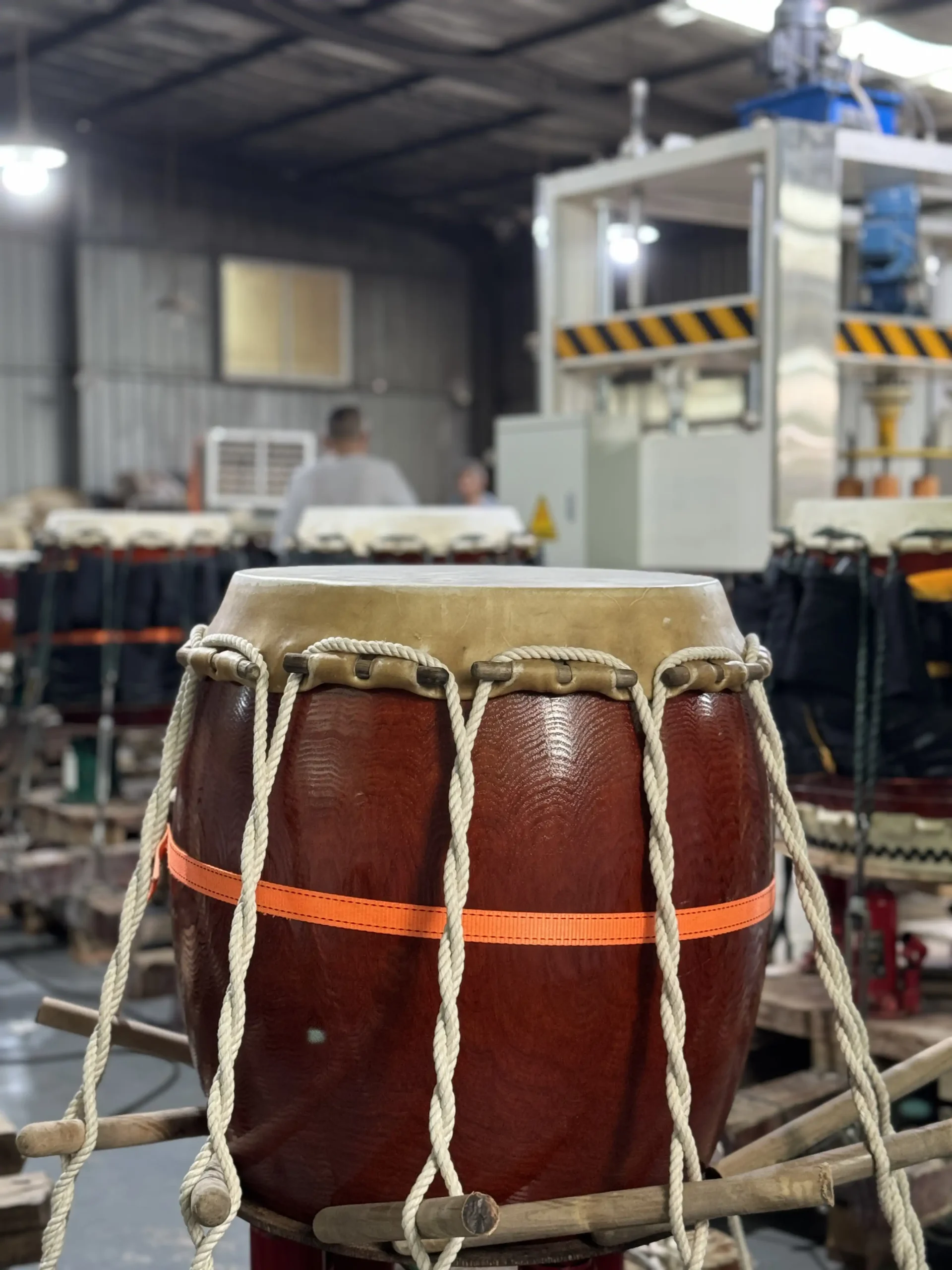
Do not replace a head merely because it looks used
A seasoned head may show a polished strike area without being structurally exhausted. Conversely, a clean-looking head may have stretched unevenly or lost the response required for professional performance. Inspection should combine four types of evidence:
- Visual: cracks, thinning, dents, edge movement, mildew, or water staining
- Tactile: abnormal soft areas, rough fibers, or localized deformation—checked gently, without pressing hard
- Acoustic: changes in pitch, sustain, attack, balance between heads, or unwanted noise
- Historical: recent weather exposure, impact accident, change of bachi, unusually heavy rehearsal schedule, or previous repair
If the drum is valuable, large, old, or used in public performance, send JINLEI clear photographs, video, measurements, and a short sound recording rather than experimenting with heat, water, adhesives, or improvised re-tensioning. JINLEI uses this material for an initial remote assessment before recommending inspection, re-tensioning, reheading, shell repair, or replacement.
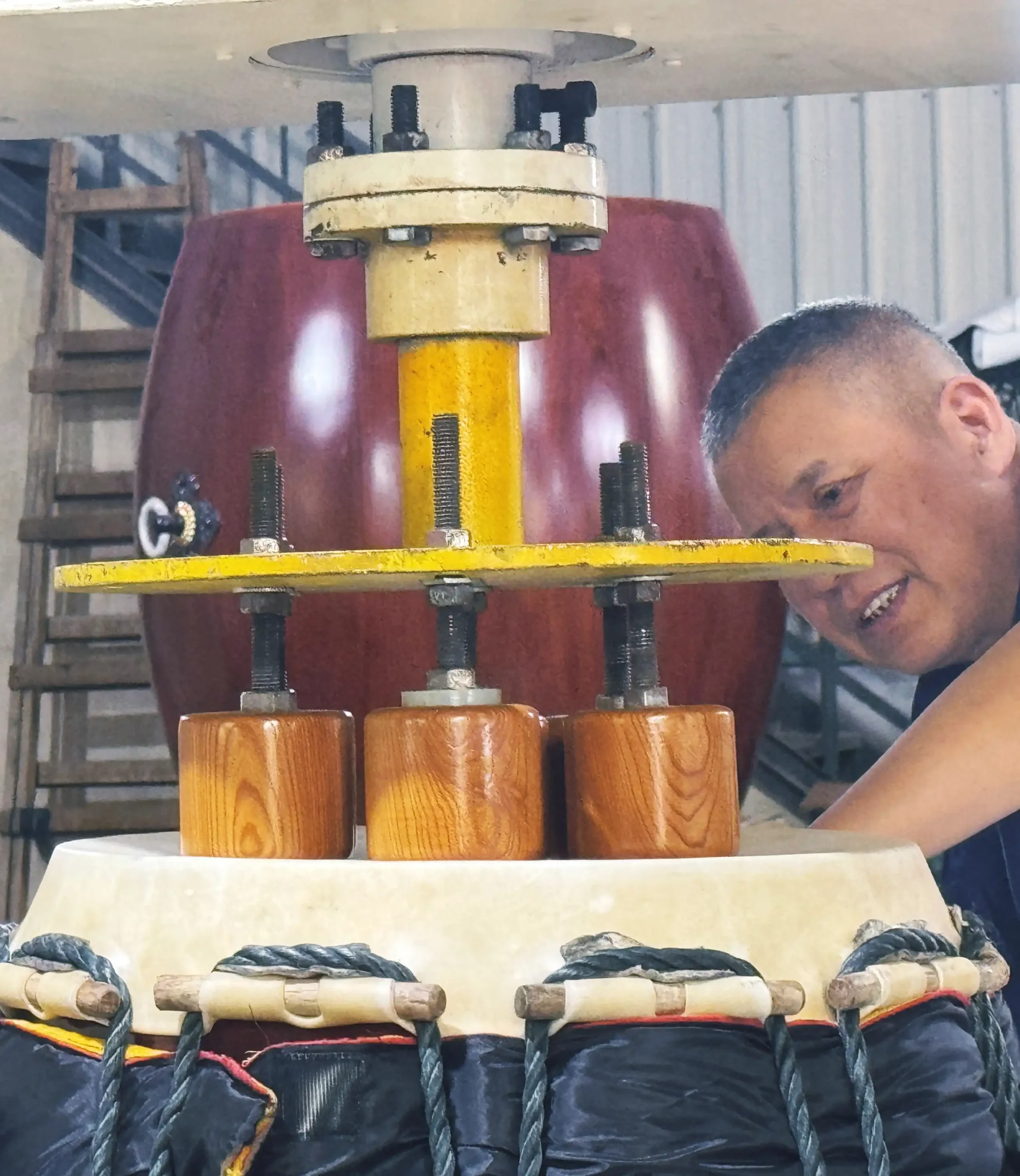
This recommendation reflects JINLEI’s own manufacturing and after-sales experience. During production, the team checks the shell and bearing edge before final stretching, then strikes and adjusts the hide repeatedly to confirm even tension and sound before the tacks are fixed. The same whole-drum approach is used during after-sales assessment because a change in sound may involve the head, its seating, the shell, fittings, or the stand—not the hide alone. See JINLEI’s taiko drum production process.
How Long Does the Wooden Shell Last?
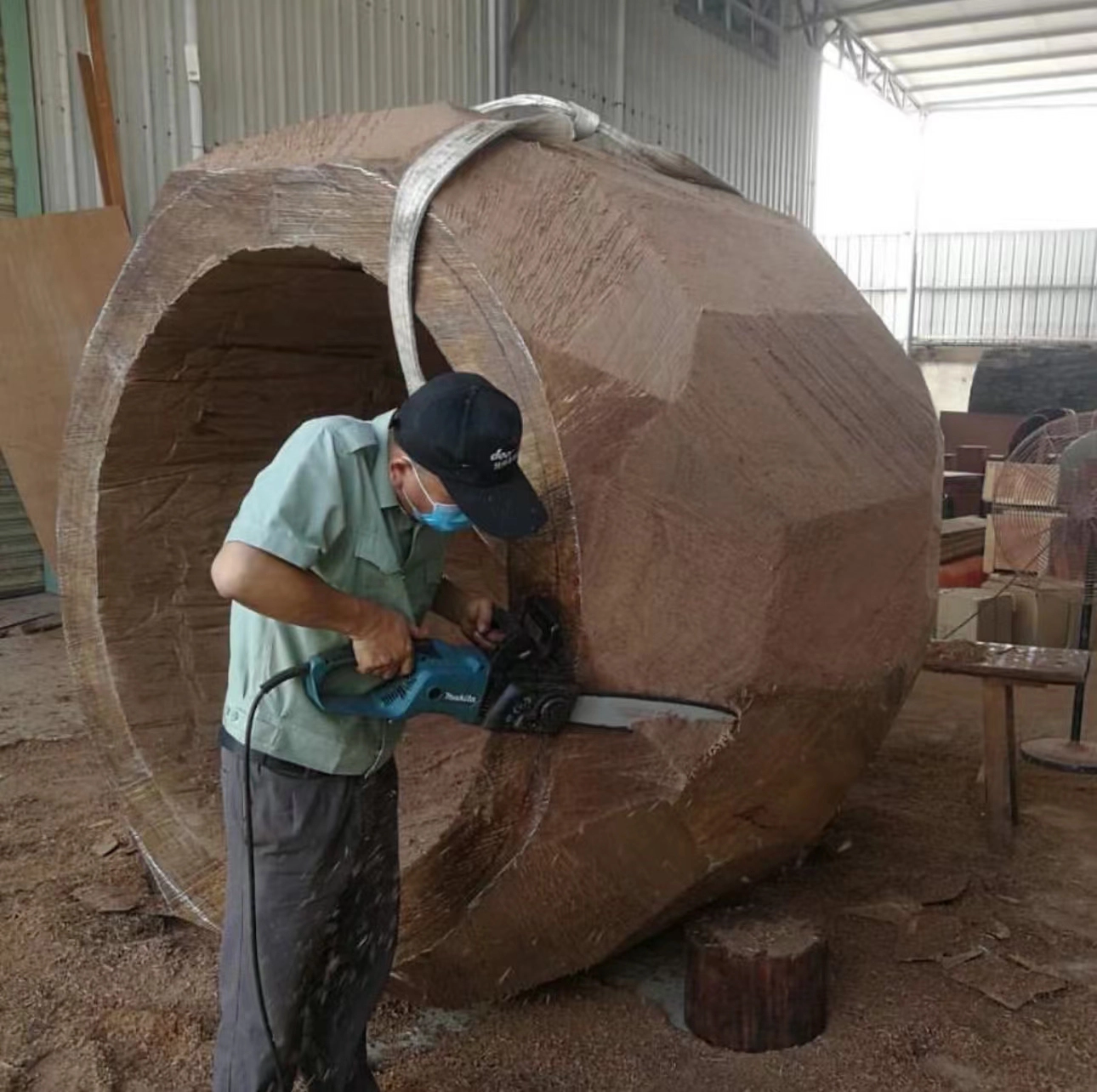
The shell is usually the longest-lived part of a taiko. Solid-log shells can develop cracks as wood responds to seasonal moisture changes; stave-built shells can experience joint movement or separation; lightweight Oke-style bodies can be damaged by impact or incorrect load during carrying and transport. None of these conditions can be judged by appearance alone.
Many shell problems are repairable when identified early. Taiko Center notes that a deeply dented bearing edge can create a significant gap between body and head and degrade sound; flattening the edge and re-pitching the head should be handled by a professional.
Monitor these shell conditions
- Hairline cracks that are stable and do not reach a critical edge
- Small finish scratches that have not exposed wood to moisture
- Minor cosmetic dents that do not affect head seating, joints, or stand stability
- Slight seasonal changes with no continuing movement
Document them with dated photographs and compare them during scheduled inspections.
Stop playing and seek professional advice when you find
- A crack that is widening, moving, or reaching the head-bearing edge
- A stave joint that has opened or shifted
- Soft, darkened, musty, or crumbling wood suggesting prolonged moisture damage
- A distorted edge or gap between shell and head
- Loose tacks, fittings, handles, or stand contact points
- A structural impact that changed the sound or geometry of the drum
- Any condition that makes the drum unstable on its stand
Different woods and shell structures also change weight, durability, repair approach, and handling requirements. Our guide to how taiko drum wood affects sound and practical ownership explains why the whole specification matters more than wood species alone.
A Practical Maintenance Routine That Extends Taiko Life
Good maintenance is mostly preventive. It keeps small issues visible and avoids the extreme conditions that create expensive damage.
After every rehearsal or performance
- Inspect the bachi. Retire or sand rough, splintered bachi before they abrade the hide. Never use a stick whose weight or profile is unsuitable for the drum.
- Check both heads. Look for fresh dents, cuts, unusual surface fibers, or changes around tacks, rings, and rope.
- Wipe away surface dust with a clean, dry, soft cloth. Do not apply leather conditioner, oil, solvent, polish, or water unless the drum maker explicitly approves it for that exact finish and hide.
- Let the instrument return to a stable indoor environment. If it became wet, TaikoMasa advises wiping it immediately and drying it in the shade in a well-ventilated place. Do not seal a damp drum in a case.
- Store it securely. Keep heads off the floor and protect the instrument from falls, sharp objects, pets, and items stacked against the hide.
Monthly during active use
- Compare the tone with a reference recording made when the drum was healthy.
- Check the head under raking light for thinning and shallow depressions.
- Inspect shell cracks and joints against dated photographs.
- Examine rope for fraying, flattened sections, stiffness, glazing, and inconsistent tension.
- Check tacks, rings, handles, straps, and stands for movement or corrosion.
- Confirm that the storage room is ventilated and free from leaks, direct sunlight, heaters, and HVAC vents.
Before transport or a major performance
- Test the drum and stand together.
- Confirm that handles, straps, rope, fasteners, and case seams are sound.
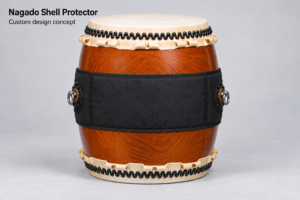
- Use a padded soft case for handling protection, but do not treat it as a rigid shipping crate.
- Avoid leaving the drum in a parked vehicle, where temperature can change rapidly.
- Protect it from rain and ground moisture at outdoor events.
- Schedule repairs well before the concert. A newly installed natural-hide head may need time to settle into its working response.
Groups building a fleet should assign one equipment manager and maintain a simple log for each drum: purchase date, serial or asset number, head type, repairs, photos, exposure incidents, and monthly inspection notes. This is particularly useful for schools and student organizations; our guide to starting a university taiko club includes broader storage, case, stand, and equipment-planning considerations.
Storage: Control Extremes, Not Just a Number
Natural hide and wood both respond to ambient moisture, but a universal “perfect humidity” for every taiko cannot be prescribed without the maker’s specification. Room instruments, outdoor festival drums, regional climates, shell construction, and finish systems differ.
The safer rule is to maintain a stable, moderate, ventilated indoor environment and avoid sudden or extreme changes. The original American Percussion Instruments Care & Maintenance page similarly recommends keeping natural-skin drums away from heaters, radiators, hot-air vents, windows, direct sun, parked vehicles, and spaces that are excessively humid or dry. Its product-specific tuning advice should not be applied to fixed-head taiko without the taiko maker’s approval.
Avoid these common storage mistakes
- Direct sunlight through a window
- Placement beside a radiator, space heater, or supply vent
- Damp basements, leaking storerooms, and unventilated closets
- Long-term storage with one head resting directly on the floor
- Sealing a damp instrument inside a case
- Stacking equipment on the drumhead
- Tight covers that trap condensation
- Rapid movement from cold transport to hot, dry stage conditions without acclimation
For rope-tensioned drums, follow the maker’s instructions on storage tension. Do not assume every Oke or Katsugi should be fully loosened, and do not modify fixed-head tension with heat or moisture.
Playing Technique Can Add—or Remove—Years of Useful Life
Durability is not a license to hit every taiko with the heaviest available bachi. The correct stick depends on drum size, head thickness, musical role, and maker guidance.
To reduce avoidable wear:
- Match bachi size and wood to the drum.
- Replace or refinish splintered sticks promptly.
- Avoid dragging or scraping the tip across the hide.
- Distribute strokes rather than repeatedly attacking one small point.
- Train beginners to control rebound instead of driving the bachi into the surface.
- Do not strike the shell rim with hard bachi unless the instrument and technique are designed for that articulation.
- Rotate use across both playable heads when the drum design and repertoire allow it.
The construction difference is important here. A Nagado is a fixed-head foundation drum, while an Oke uses adjustable rope tension and is often selected for portability or flexible staging. See our Nagado Daiko vs Oke Daiko comparison before applying one drum’s handling routine to another.
Repair, Rehead, or Replace the Whole Drum?
Use this sequence rather than jumping directly to a new purchase.
1. Maintain or monitor
Choose this when wear is cosmetic, tone remains acceptable, structural conditions are stable, and all safety-critical parts are sound. Record the condition and set a date for the next inspection.
2. Re-tension or replace a service part
This may apply to rope, straps, fittings, or certain removable heads. Whether a natural-hide head can be re-tensioned depends on its construction and remaining material. Ask the original maker or an experienced taiko repairer; uneven DIY tension can damage both hide and shell.
3. Rehead the drum
Reheading is appropriate when the shell remains valuable and structurally serviceable but the hide is torn, permanently stretched, badly dented, uneven, or no longer produces the required sound. Fixed-head Nagado reheading involves removing and installing hide under controlled tension and should be considered skilled workshop work, not routine user maintenance.
4. Repair the shell and rehead together
When the bearing edge, joint, crack, or finish damage affects head seating, repairing only the hide may waste the new head. A repairer may need to stabilize or reshape the shell before tensioning new hide.
5. Replace the complete drum
Complete replacement becomes reasonable when:
- structural deterioration cannot be made reliably safe;
- severe rot, distortion, or multiple failed joints make restoration impractical;
- the instrument cannot meet the ensemble’s acoustic requirements even after feasible repair;
- repair, specialist freight, and downtime approach the cost of a suitable new instrument;
- the drum is fundamentally wrong for its current use—for example, too heavy for repeated touring or too fragile for a high-volume teaching fleet;
- replacement parts or qualified service are unavailable.
Cost alone should not decide the issue. A historically, culturally, or sentimentally important drum may justify restoration beyond its market value. Conversely, a low-cost but unsafe school instrument should not remain in service merely because it still produces sound.
How to Request an Accurate Repair Assessment
Before contacting JINLEI, collect:
- Full-front and full-side photographs
- Close-ups of both heads, all damage, the rim, tacks or rings, rope, and shell joints
- Drum type and model, if known
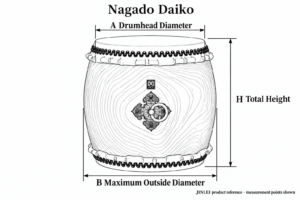
- Head diameter, shell height, and maximum outside dimensions
- Approximate age and purchase source
- Usage frequency and typical bachi
- Details of any rain, heat, fall, or impact incident
- A short video and recording of single strokes at consistent force
- Previous repair history
- Your location and required performance date
Do not remove a tacked head just to inspect the inside. The warning in Stanford Taiko’s drum-building manual comes from a North American barrel-taiko building context: it concerns barrel-built shells without sufficient rim reinforcement during reheading. It should not be read as evidence that all Nagado or other fixed-head taiko will collapse. The risk depends on the individual shell’s construction, reinforcement, condition, and repair history.
Contact JINLEI before arranging any return shipment
International customers should not ship a drum back to China, Japan, Germany, or a third-party workshop without JINLEI’s prior written confirmation. Overseas products often cannot be returned directly to China. JINLEI will first review the photographs, video, dimensions, sound recording, usage history, and any damage or climate exposure, and may request additional angles or measurements before advising the next step. Remote assessment is preliminary; the final repair scope may change after hands-on inspection.
JINLEI currently lists overseas after-sales service centers in Japan and Germany on its official After-Sales Service page:
- Japan After-Sales Service Center: hbk@hibiki-music.com; 03-6555-2658
- Europe After-Sales Service Center (Germany): info@fuldaiko.de
Both locations require advance contact. Acceptance, timing, costs, and shipping instructions must be confirmed in writing for the individual case. JINLEI does not currently list service centers in other countries, so customers elsewhere should begin with remote assessment rather than shipping the instrument independently.
Frequently Asked Questions
How many years does a taiko drum last?
There is no universal number. A well-built, well-maintained shell may remain usable for many decades, while hide, rope, straps, and finish require condition-based maintenance or replacement. Usage, climate, construction, storage, and playing technique matter more than the calendar.
How often should a taiko drumhead be replaced?
Replace it when its condition or performance requires it—not automatically after a set number of years. Tears, growing cracks, permanent dents, excessive stretch, uneven tension, and loss of the drum’s normal response are stronger indicators than age.
Can a cracked taiko head be repaired?
A superficial mark and a structural crack are not the same. Do not apply glue, tape, oil, water, or heat without professional advice. Send clear images to the maker or a taiko repair specialist; a structural split will often require reheading.
Can a cracked wooden shell be repaired
Often, yes, especially when the problem is found early. The repairability depends on crack location, movement, shell construction, moisture history, and whether the bearing edge or joints are affected. Stop playing if stability is uncertain.
Should I heat a loose natural-hide head?
Do not use a heater, hair dryer, open flame, or other artificial heat unless the instrument’s maker has supplied an exact procedure for that model. Excessive or uneven heat can overstress hide, finish, adhesives, joints, and wood. Fixed-head taiko should be assessed by a professional if looseness persists.
Can I clean the head with leather conditioner?
Not by default. A drumhead is an acoustically tensioned membrane, not ordinary leather upholstery. Oils, conditioners, cleaners, and water can alter mass, flexibility, adhesion, appearance, and tone. Use only products explicitly approved by the maker.
Is it better to replace one head or both?
It depends on the drum, the condition of the opposite head, and the tonal result required. Replacing both can provide a more coordinated setup, but a sound matching head may not need replacement. Ask the repairer to assess the pair.
Are rope-tensioned taiko easier to maintain than fixed-head drums?
They offer adjustable tension and replaceable rope, but they also require correct, even lacing and regular rope inspection. Fixed-head drums need less routine tuning, yet professional intervention is required when their tension or hide reaches the end of useful service. Neither system is maintenance-free.
Final Takeaway
The longest-lasting taiko is not necessarily the one that goes the most years without repair. It is the one designed for its real workload, stored in stable conditions, played with appropriate bachi and technique, inspected regularly, and serviced before minor damage becomes structural failure.
Think in components: preserve the shell, monitor the hide, replace rope and safety-critical accessories when worn, and keep dated records. When sound, tension, or structure changes, ask a taiko specialist to determine whether maintenance, re-tensioning, reheading, shell repair, or replacement is the right next step.
If you are selecting an instrument for a school, dojo, touring group, or professional stage, explore JINLEI’s taiko drum collection or contact the team with your intended use, size, transport, storage, and maintenance requirements.