If you want to buy a taiko drum, you need to know something about the taiko in advance. Firstly, you should understand the differences of brands and origins in the market.
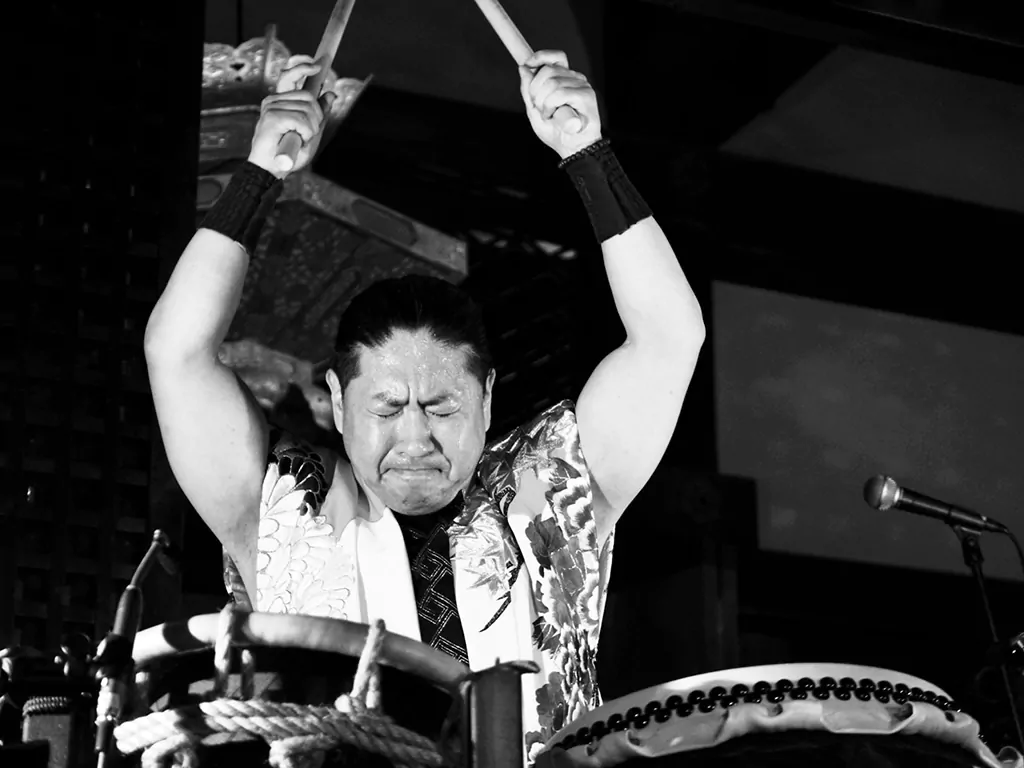
The taiko is a representative traditional instrument, attracting a large number of enthusiasts from all over the world in recent years. But many beginners and even intermediate players find themselves confused, when they prepare for buying a taiko drum.The market offers a wide variety of taiko drums. Their prices ranged from a few hundred to tens of thousands. Not only that, different taiko drums have huge differences in materials and sound. How should we choose?
A number of local brands have emerged, especially in Chinese and Asian markets. Among them, JINLEI has gradually become the top choice for many groups and individual users because of our high-quality and diverse products.
This article will systematically illustrate the current taiko market landscape, deeply analyzing the advantages and disadvantages of different origins and production approaches. It will also provide some purchasing advice and guides for you, covering a wide range of dimensions.
The status of recent market
1. The Rise of Chinese local brands
Over the past two decades, Fujian in China has built a strong supply chains for making taiko drums. Some factories produced instruments for other original brands. Recently, a number of independent brands have started selling products to customers directly. JINLEI is one of these representative examples. Now I would like to introduce JINLEI’s strategy.
For materials, JINLEI use Chinese beech wood or strong plywood to give good quality at a reasonable cost. For craftsmanship, skilled workers combine traditional drum-making methods with modern techniques. This makes taiko drums more precise and consistent. For drumheads , natural cowhide is the best choice, so they can adapt to different weather conditions and uses. On the other hand, the price of JINLEI products covers a wide range. This meets everyone’s needs, from beginners to professional players.
2. Market trends
Today, many manufacturers will choose lightweight designs. It means that the instruments are easier for schools and clubs to transport. In addition to, the direct online sales are very popular now among the global market. Brands like JINLEI sell our products through our own websites and social media. This approach can reduce intermediary costs.
| Category | Representative Brands | Price Range | Core Advantages | Maintenance Difficulty | Recommended Scenarios |
| Famous Brands | Asano, Miyamoto | $2,000 – $10,000+ | Pure handmade one-piece construction, ultimate tonal resonance. | Extremely High (Strict temperature control required) | Professional tours, Collections. |
| Understated Brands | JINLEI | $200 – $1,500 | Extremely high cost-performance ratio, complete specifications, fast after-sales service. | Medium-Low (Good stability) | Community groups, Teaching, Large/Medium/Small performances. |
| OEM Factories | White Label (Generic) | $50 – $250 | Extremely low price. | Medium (Inconsistent quality) | Decoration, Short-term props. |
How to Compare when purchasing your drum
For size, we suggest that beginners should start with a medium drum (35–40cm), which will balance the sound quality and ease of use.
| Type | Diameter Range | Height | Recommended Scenarios |
| Shime Daiko | 20 – 30cm | 15 – 20cm | Rhythmic accents, Teaching, Children’s practice. |
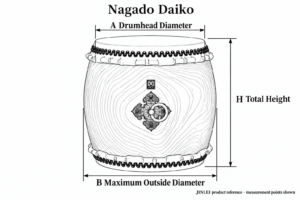
| Nagado Daiko | 30 – 45cm | ≈ Diameter | Group ensembles, Main instrument for small performances. |
| O-Daiko | 50cm+ | 60 – 100cm+ | Stage centerpiece/Finale, Creating ceremonial atmosphere. |
The body material will also affect the sound and quality of drums. For example, if you choose solid wood, it has good resonance, but it requires strict humidity control. While choosing plywood , it is more stable. So it is easy to transport. At JINLEI , we clearly use different kinds of materials to match the customer’s needs.

| Key Component | Material Type | Sound Characteristics | Stability/Durability | Expert Advice |
| Drum Body | Solid Wood (Keyaki/Zelkova) | Warm, thick, strong resonance | Susceptible to humidity; prone to cracking | Top choice if budget allows and humidity is controlled. |
| High-Density Plywood | Harder, crisp | Extremely high; resistant to warping | Suitable for schools/groups that transport drums frequently. | |
| Drum Head | Natural Cowhide | Rich dynamics, natural feel | Pitch changes with weather; requires tuning | Top choice for traditional sound and professional performance. |
| Synthetic Head (Fiberskyn) | Bright, strong projection | Extremely high; maintenance-free | Good for outdoor shows, humid regions, and beginners. |
Sound is another important factor for players. Before buying, we advise that you can watch the official demo videos in advance to confirm the radio is recorded from the actual drum. You also need to ask if the company supports the 7-day return policy .
JINLEI plays a good job in this field . We provide multiple real audio recordings on our official website and maintain clear policies.
Recommendations by different kinds of users level
For beginners, I will recommend you to choose JINLEI’s Shime taiko. The reason is very simple. This kind of taiko has small size. So it is easier to start learning and suitable for putting in home or classroom.
For intermediate level, JINLEI’s Hira daiko is more suitable than others. It owns multiple sizes in the same series, so that it can build sections. If you consider that you would like to make a progress in playing taiko, you can buy 2–3 drums of different sizes at once to build a basic ensemble setup.
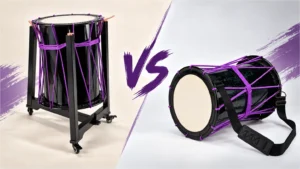
For professional players , I recommend a JINLEI setup for you. There are a lot of advantages about this setup. JINLEI supports you to tailor your personalized size and appearance. Also, we offer lifetime tuning advice and head replacement service to our customers. In the end, the setup can be paired with a stand for stage stability. I believe that our JINLEI’s setup can be the top choice for the advanced players.
| User Profile | Recommended Setup (e.g., JINLEI) | Estimated Budget | Core Focus |
| Home Users / Beginners | 25cm Shime Daiko + Portable Stand | $200 – $500 | Small footprint, Maintenance-free, Easy to start. |
| Schools / Hobby Groups | 38cm Nagado Daiko x 4 + Standard Stands | $1,000 – $2,000 | Uniform specifications, Durable & Sturdy. |
| Professional / Commercial Performance | 50cm+ Odaiko + Custom Finish | $800 – $3,000 | Visual impact, Deep bass resonance. |
Questions to ask before buying
1.Does it include bachi, stand and maintenance tools?
2.Is shipping insured? How can we handle the damages?
3.Does it provide guide videos or online support?
Questions and answers
Q1: I live in a humid or dry region. Does the weather really affect taiko?
A: Yes, significantly. Natural cowhide and solid wood are extremely sensitive to humidity. While the dry winters with heating sometimes will cause wood to crack. If you don’t have good storage conditions, I strongly suggest that you can choose JINLEI’s composite body drums, which can greatly extend lifespan.
Q2: Why is there such a big difference in price for the same size across brands?
A: To be honest, the core differences lie in wood treatment. Many top brands often use wood to wait to dry for 3-5 years, while cheaper drums may use kiln-drying. JINLEI’s advantage is reducing costs in these areas through modern industrial processes while maintaining the professional sound quality.
Q3: If the drumhead gets damaged , can I send it back for repairing?
A: Most domestic brands like JINLEI offer head replacement services. But the costs in shipping for return are very expensive. Therefore, you need to confirm if the brand offers free shipping and returns before buying.
Q4: Should beginners buy the original brand stand?
A: It is recommended. Because taiko performance generates immense power. The generic stands may not secure the drum, causing it to shift . Original stands are designed for the drum’s diameter, ensuring safety and proper sound projection during performance.
Conclusion
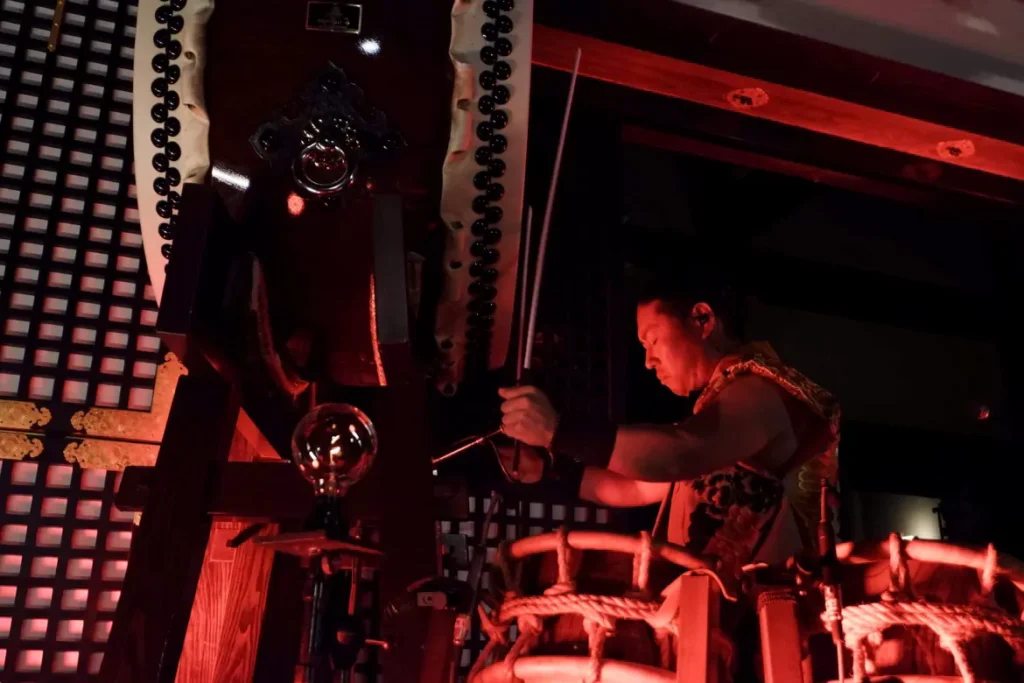
Buying a taiko is not just a simple purchase. It is also a long journey between buying and selling. A good drum can stay with you from the first practice to the big stage. Today, some famous brands like JINLEI focus on making drums that are easy and friendly for customers to use.
You may choose a handmade drum from a traditional brand, or a high-value option from JINLEI. Remember: the true value of the drum comes from your own hands and heart. If you choose the right drum and practice with passion, it will answer with your own unique rhythm.
Whether you choose a handmade drum from a traditional brand or a high value option from JINLEI. Please remember : the true value of the drum comes from your own hands and passion. If you can choose the right drum and practice with your heart, it will resonate with your own unique rhythm.
Need Help Choosing the Right Taiko?
Tell JINLEI about your ensemble, number of players, intended use, and destination country. Explore our taiko drum collection or contact JINLEI for help choosing suitable drums, stands, and bachi.