Starting a university taiko club can create much more than a weekly rehearsal. A well-organized group can give students a place to build friendships, learn ensemble discipline, explore Japanese and Japanese American cultural history, and contribute to campus performances.
Launching a taiko club is also different from starting an ordinary music society. Taiko drums need suitable rehearsal space, secure storage, compatible stands, careful transportation, and a realistic equipment budget. The organization also needs a plan for teaching beginners, applying for funding, documenting purchases, and transferring leadership after the founding students graduate.
This guide explains how to move from an initial idea to a sustainable university taiko program, including first taiko equipment planning, funding strategy, purchasing documents, and an equipment checklist for rehearsals and performances.
1. Define the Purpose of Your University Taiko Club
Before registering the organization or purchasing instruments, decide what kind of group you want to build.
University taiko clubs may focus on:
- Teaching beginners
- Performing at campus events
- Exploring Japanese, Japanese American, and Asian American culture
- Developing original compositions
- Supporting multicultural programming
- Creating an audition-based ensemble
- Offering an open recreational activity
- Connecting the university with local taiko communities
Your purpose will influence membership rules, rehearsal frequency, teaching methods, instrument selection, and funding requests. A beginner-friendly cultural club may need several versatile practice drums and a simple teaching structure. A performance-focused ensemble may eventually need a wider tonal range, dedicated stands, uniforms, microphones, transportation cases, and more frequent rehearsals.
Write a short mission statement that answers three questions:
- Why does the club exist?
- Who can participate?
- What will the group contribute to the university and surrounding community?
This statement can later support your student organization application, club constitution, recruitment materials, funding proposal, and annual report.
2. Build a Founding Team and Assign Responsibilities
A university taiko club should not depend on one enthusiastic student. Form a founding team of at least three to five people who can divide the early work. Not everyone needs previous taiko experience. Reliable organizers, percussionists, dancers, designers, event planners, and students with cultural programming experience can all contribute.
Useful founding roles include:
President or Club Coordinator
Communicates with the university, schedules meetings, manages registration, and keeps the group moving toward agreed goals.
Artistic or Practice Leader
Plans warm-ups, drills, repertoire, and rehearsal progression. An experienced student, alumni volunteer, community player, or outside instructor may initially fill this role.
Treasurer or Funding Coordinator
Builds the university purchasing budget, applies for student activity funding, tracks approvals, keeps receipts, and maintains financial records.
Equipment Manager
Maintains the inventory of drums, stands, bachi, soft cases, practice equipment, and repair supplies. This person should also document storage and transportation procedures.
Events and Outreach Coordinator
Manages recruitment, campus performances, collaborations, social media, and communication with cultural or academic departments.
Clear roles reduce confusion and make leadership succession easier when founding members graduate.
3. Research University Registration and Purchasing Rules
Every university has a different process for recognizing student organizations. Common requirements include a minimum number of student members, a faculty or staff adviser, a constitution, elected officers, annual renewal, risk-management training, and nondiscrimination or accessibility statements.
The UC San Diego student organization directory, for example, lists Asayake Taiko as a current undergraduate music and performance organization with principal members, a fund manager, and an organization constitution. This is a useful reminder that creative goals and administrative structure must develop together.
Visit your student affairs, campus life, or student involvement office before making major purchases. Recognition may provide access to:
- Rehearsal and performance spaces
- Student activity grants
- University purchasing systems
- Event booking tools
- Campus promotion channels
- Insurance and risk-management guidance
- Tax-exempt purchasing or approved vendor procedures
Also ask how equipment ownership works. Drums purchased with university funds may belong to the institution rather than individual students. Learn who can approve a quotation, whether multiple vendor bids are required, how international shipping is handled, and which department will receive the instruments.
A faculty adviser can help with both registration and long-term continuity. Look for someone connected to music, ethnomusicology, Japanese studies, Asian American studies, theater, dance, cultural programming, or student engagement.
4. Find Suitable Practice and Storage Space
Practice space is often the most difficult part of starting a university taiko club. Taiko is physically energetic and acoustically powerful. A normal classroom may be too small, too fragile, or too close to offices and study areas.
A suitable room should ideally provide:
- Enough floor space for drums and full-body movement
- A durable, level floor
- Reasonable sound isolation
- Adequate ventilation
- Safe doors, corridors, and elevators for moving drums
- Nearby or accessible storage
- Approved rehearsal hours
- No low fixtures that interfere with raised bachi
Possible locations include percussion rooms, dance studios, theaters, recreation halls, gymnasiums, multipurpose rooms, and isolated rehearsal buildings.
Before reserving a room, ask facilities staff about noise limits, floor protection, storage, after-hours access, and transportation routes. Use stable stands and protective padding rather than placing finished drums directly on unsuitable surfaces.
When full-volume practice is restricted, supplement rehearsals with tire drums, practice pads, movement drills, kuchi shoga, rhythm exercises, and sectionals. These alternatives help, but students still need regular access to actual taiko to develop tone, rebound control, spacing, and ensemble awareness.
Storage should be included in the plan from the beginning. Measure doors, shelves, cabinets, elevators, and vehicle access before ordering. A drum that fits the rehearsal room but not the storage doorway creates an avoidable problem.
5. Build a University Purchasing Budget and Funding Plan
Do not base your budget only on the price of the drums. A complete university taiko equipment budget may include:
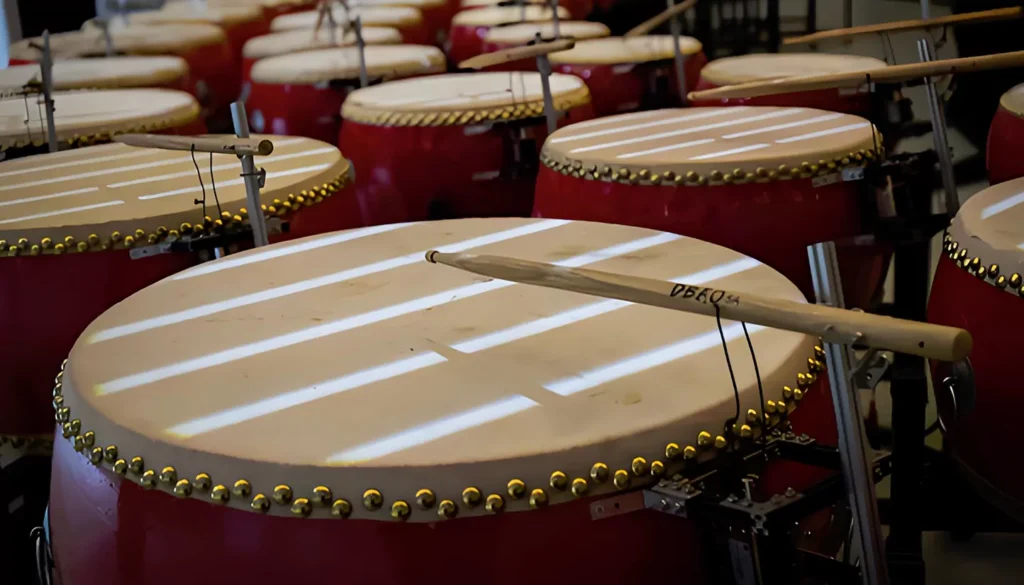
- Taiko drums
- Compatible stands
- Bachi in more than one size or weight
- Soft cases and protective covers
- Practice drums or tire drums
- Floor protection
- Storage racks or carts
- Transportation equipment
- Instructor and workshop fees
- Performance clothing
- Repairs and replacement parts
- Shipping, customs, and receiving costs
- Event and venue expenses
Divide the budget into three phases.
Phase 1: Essential Startup Costs
Fund the items required for safe, regular practice: versatile drums, compatible stands, bachi, basic protection, and storage.
Phase 2: Performance Development
Add tonal variety, portable instruments, costumes, microphones, transport cases, and workshops after the group has established consistent membership and rehearsal routines.
Phase 3: Long-Term Growth
Plan for additional drum types, major maintenance, guest instructors, travel, recording, and larger performance production.
Common university taiko club funding sources include:
- Student activity grants
- Cultural programming funds
- Music or performing arts departments
- Japanese studies or Asian American studies programs
- International education offices
- Alumni donations
- Fundraising performances
- Crowdfunding
- Membership dues
- Local Japanese cultural associations
- Community arts grants
- Sponsorship from campus events
When applying for funding, explain the educational value of the program rather than submitting only a shopping list. Show how the equipment supports beginner instruction, campus performances, cultural learning, student wellbeing, teamwork, and community engagement.
What to Include in a Funding Proposal
A strong funding request should contain:
- The club mission and expected number of participants
- A description of the educational and cultural benefit
- A phased equipment list with priorities
- Supplier quotations and estimated shipping
- Practice, storage, and transportation plans
- Expected campus events or performances
- A maintenance and inventory plan
- A leadership succession plan
Funding committees are more likely to support a request when they can see how the instruments will be managed for several years, not only during one semester.
6. First Taiko Equipment Planning
First taiko equipment planning means designing a complete, usable system rather than buying unrelated drums one at a time. The first purchase should support beginner instruction, member rotation, storage, and small performances while leaving room for future expansion.
For a beginning group of approximately 8 to 15 active students, consider a balanced starter configuration rather than one drum per player. Students can rotate between performance drums and practice stations during instruction.
A Practical Starter Configuration
The exact quantity depends on room size, funding, storage, and repertoire, but a planning conversation may begin with:
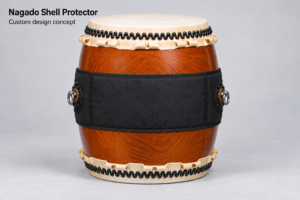
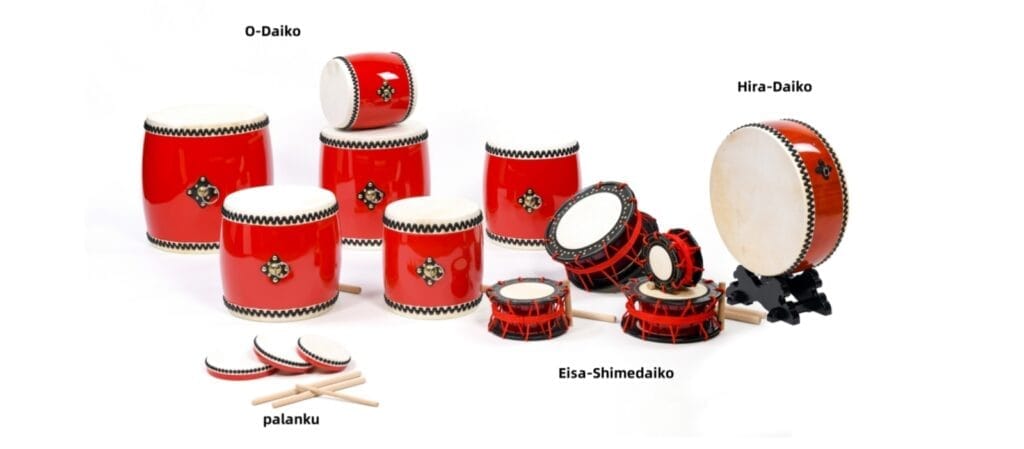
- Three to five medium Nagado Daiko for fundamental technique and ensemble playing
- One Shime Daiko for jiuchi, tempo support, and a higher-pitched voice
- One or two Oke Daiko for portability, choreography, and flexible staging
- A compatible stand for every performance drum
- At least one pair of bachi per active station, plus spares
- Soft cases for drums that will be transported or stored in shared facilities
- Tire drums or practice pads for rotation and low-volume sessions
This is a planning example, not a universal formula. A group focused on one regional style, a specific instructor’s repertoire, or outdoor festival performance may need a different combination.
Why Start with Several Versatile Drums?
Several medium drums usually support beginner education better than spending the entire first budget on one very large centerpiece drum. Medium Nagado Daiko can support stance, strike preparation, ensemble drills, dynamics, and a broad range of repertoire.
Why Include a Shime Daiko?
A Shime Daiko provides a clear rhythmic line that can stabilize tempo and support jiuchi patterns. It also teaches students to control a different playing response.
When Does an Oke Daiko Make Sense?
Oke Daiko can be useful when instruments must move between buildings or when the group wants flexible staging. Katsugi-style performance can add choreography and mobility, but students need appropriate instruction before combining carrying technique with energetic movement.
Stands Are Part of the Instrument System
A drum is not ready for rehearsal simply because it has arrived. The stand determines height, angle, stability, and playing position. Include compatible stands in the first quotation instead of treating them as optional accessories.
Plan Bachi and Soft Cases at the Same Time
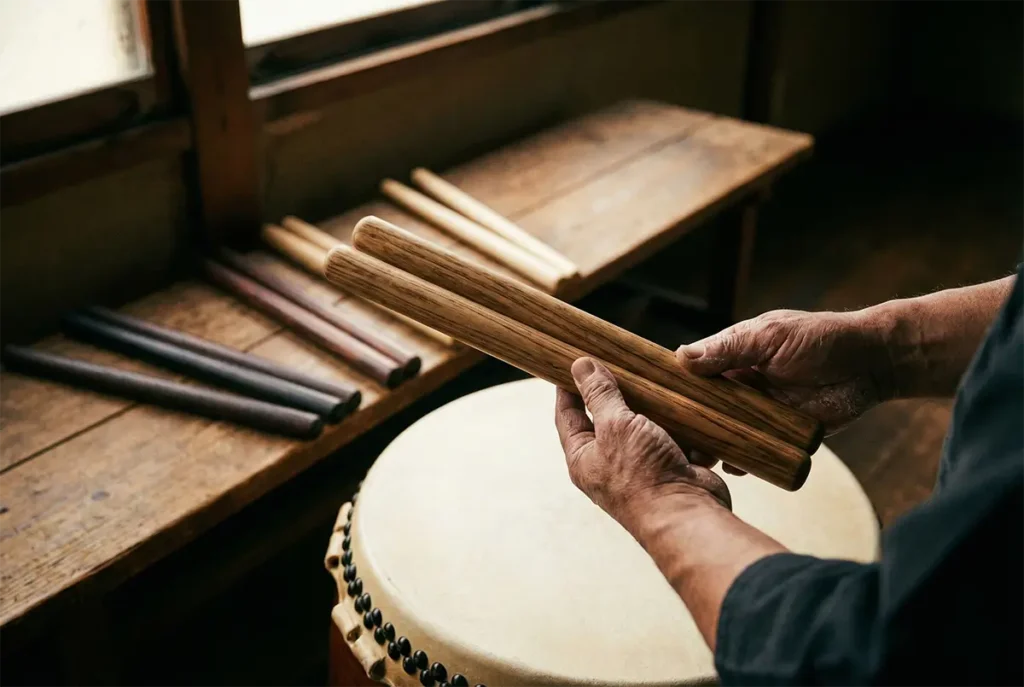
Bachi affect comfort, speed, articulation, and fatigue. A beginner program benefits from durable, versatile pairs plus clearly labeled spares. Soft cases are especially important when drums move between storage, rehearsal rooms, vehicles, and performance venues.
7. How JINLEI Supports Universities and Group Customers
JINLEI MUSIC works with schools, universities, cultural programs, dojos, and performing groups that need coordinated percussion equipment rather than a single retail item. Institutional planning usually begins with the practical conditions of the program, not with the largest drum in the catalog.
For university and group customers, JINLEI can use the following information to prepare a more suitable equipment recommendation and quotation:
- Expected number of active players
- Beginner, recreational, or performance focus
- Rehearsal-room dimensions
- Door, elevator, and storage measurements
- Indoor, outdoor, or mixed performance needs
- Transportation frequency
- Preferred repertoire or playing style
- Budget range and funding deadline
- Required delivery date
- University purchasing and quotation requirements
This planning process helps connect each drum with a compatible stand, suitable bachi, and appropriate soft case. It also helps a university compare a minimum viable starter set with a phased expansion plan.
Institutional customers may need a formal quotation, itemized specifications, shipping estimates, or a revised configuration that fits an approved budget. Sharing the university’s purchasing timeline early gives the supplier time to coordinate production, documentation, packing, and delivery.
JINLEI does not replace the role of a qualified taiko instructor. Equipment selection should reflect the technique, repertoire, and cultural guidance the group plans to follow. The strongest university programs combine appropriate instruments with responsible teaching and community relationships.
8. University Taiko Equipment Checklist
Use this equipment checklist when comparing quotations, preparing a funding request, or planning a performance.
Core Rehearsal Equipment
- ☐ Medium taiko drums for fundamental instruction
- ☐ Shime Daiko for rhythmic support
- ☐ Portable Oke Daiko if required
- ☐ Compatible stand for each drum
- ☐ Bachi for every playing station
- ☐ Spare bachi in labeled sizes
- ☐ Tire drums or practice pads
- ☐ Floor protection
Protection and Storage
- ☐ Soft cases or protective covers
- ☐ Storage racks, shelves, or carts
- ☐ Inventory labels
- ☐ Humidity and moisture awareness
- ☐ Secure room access
- ☐ Written check-in and check-out process
Transportation and Performance
- ☐ Vehicle or campus cart plan
- ☐ Loading route and elevator measurements
- ☐ Setup diagram
- ☐ Weather protection for outdoor events
- ☐ Microphones or sound support if needed
- ☐ Repair tape, cloths, and basic tools
- ☐ Assigned member for every drum, stand, and case
Purchasing Documents
- ☐ Itemized supplier quotation
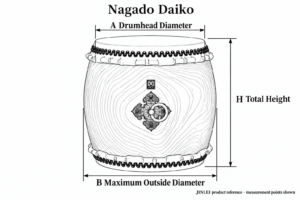
- ☐ Product specifications and dimensions
- ☐ Shipping estimate
- ☐ Funding approval
- ☐ Purchase order or payment authorization
- ☐ Delivery contact and receiving instructions
- ☐ Inventory record and receipt archive
9. Create a Structured Beginner Curriculum
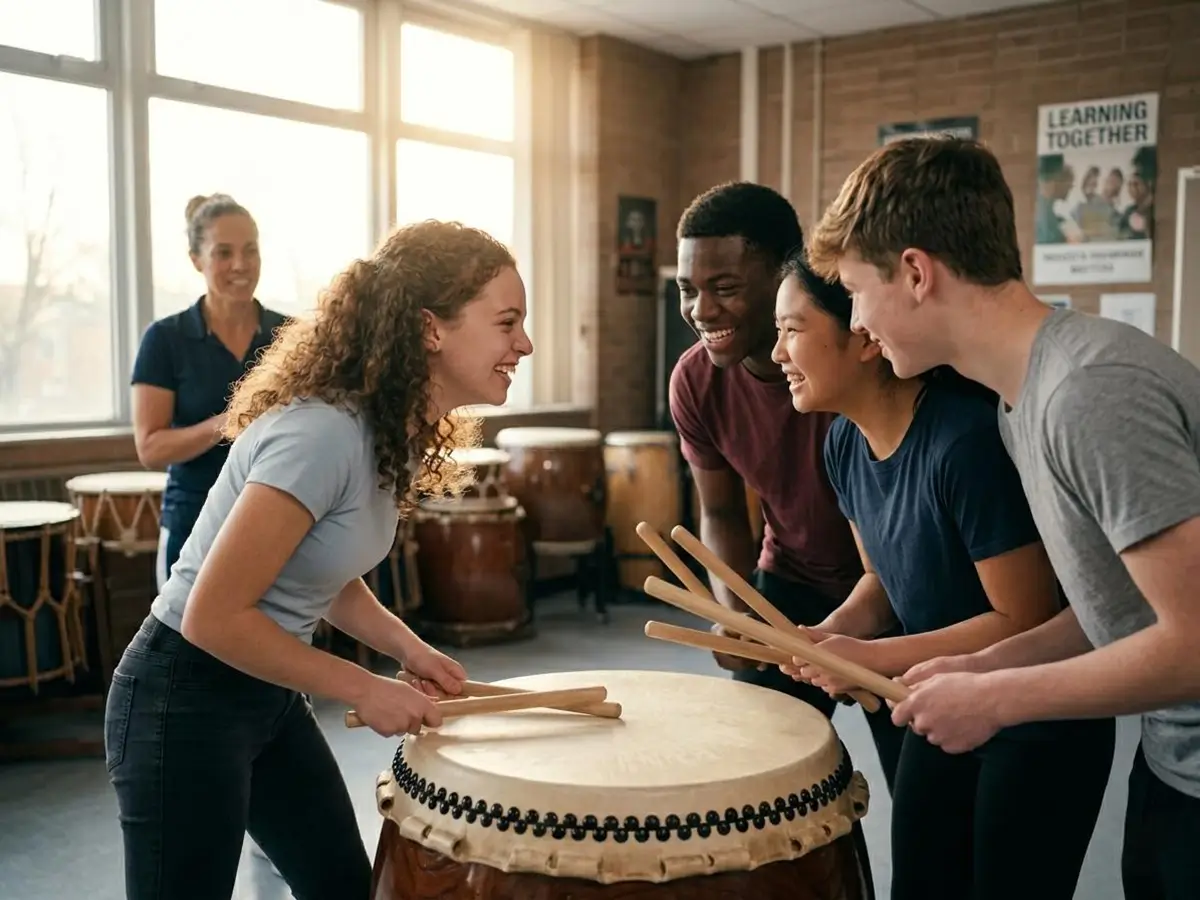
Many university clubs recruit students who have never played taiko or another percussion instrument. A structured beginner program makes the group more welcoming and reduces frustration.
An introductory curriculum might include:
Weeks 1-2: Foundations
- Respectful handling of equipment
- Basic stance and body alignment
- Bachi grip
- Full-body movement
- Counting and vocalizing rhythms
- Basic strike preparation
Weeks 3-4: Sound and Timing
- Consistent center strikes
- Rebound control
- Alternating hands
- Simple subdivisions
- Listening across the ensemble
Weeks 5-6: Ensemble Skills
- Jiuchi patterns
- Basic dynamics
- Cues and cutoffs
- Safe movement between drums
- Maintaining form through longer phrases
Weeks 7-10: First Repertoire
- A short beginner piece
- Memorization
- Stage spacing
- Performance etiquette
- Group reflection
Do not rush beginners into fast or physically demanding repertoire before they have stable technique. Poor posture and uncontrolled striking can lead to fatigue, damaged equipment, and avoidable injuries.
Whenever possible, invite an experienced taiko instructor for an introductory workshop. Kodo describes taiko as a traditional Japanese drum with extensive expressive possibilities and approaches it as a continually developing living art form. The Kodo Taiko School also emphasizes physical technique, group learning, and connection among taiko enthusiasts.
10. Approach Cultural Learning Seriously
University taiko groups should make room for cultural learning alongside physical practice. Members should understand that taiko can refer to Japanese drums, while kumi-daiko commonly describes ensemble taiko performance.
In North America, taiko has also developed through Japanese diaspora communities, Buddhist temples, student organizations, community ensembles, and contemporary performing arts groups. Stanford’s overview of collegiate taiko describes the growth of university ensembles and the role of intercollegiate exchange. The current Stanford Taiko program continues as a university resident ensemble with performance, study, and community goals.
A responsible club can:
- Learn the background of each piece
- Credit composers and teachers
- Follow licensing and permission requirements
- Avoid presenting all taiko traditions as interchangeable
- Invite Japanese and Japanese American educators
- Collaborate with relevant academic departments
- Discuss appreciation, participation, and cultural responsibility
The goal is not to make students afraid to participate. It is to help them participate with curiosity, accuracy, and respect.
11. Recruit Members Without Requiring Experience
Taiko can attract students from many backgrounds because it combines music, movement, teamwork, and visible performance energy.
Promote the club through student organization fairs, introductory workshops, music and dance programs, Japanese studies departments, Asian and Pacific Islander student organizations, international student networks, residence halls, campus cultural festivals, social media, and short public demonstrations.
A hands-on open house is usually more effective than a table covered only with flyers. Let interested students learn a simple rhythm after explaining safe bachi handling and how to approach the instruments.
Make recruitment messages clear about whether beginners are welcome, whether auditions are required, how often rehearsals take place, and whether members pay dues.
12. Plan the First Performance Carefully
The first performance should be achievable, not overly ambitious. A short, confident presentation with one or two well-rehearsed pieces builds more trust than a long program with uncertain transitions.
Before accepting an event, confirm:
- Performance area dimensions
- Indoor or outdoor conditions
- Loading access
- Setup and breakdown time
- Floor surface
- Sound restrictions
- Weather protection
- Transportation responsibility
- Microphone requirements
- Changing and storage areas
- Event insurance rules
Create a written performance equipment checklist. Assign a named member to every drum, stand, soft case, bachi bag, and accessory. Check the same list during loading, setup, breakdown, and return to storage.
13. Build a Club That Survives Graduation
A university club is most vulnerable when its founders leave. Start leadership succession during the first year, not in the final semester of the founding president.
Document:
- Officer responsibilities
- University registration deadlines
- Funding contacts and grant calendars
- Rehearsal plans and beginner exercises
- Repertoire notes and permissions
- Equipment inventory
- Storage and transportation procedures
- Supplier and quotation records
- Maintenance history
- Performance checklists
- Password and account transfer procedures
Develop at least two students who can lead warm-ups and beginner instruction. Encourage newer members to assist with equipment, events, and administration before they assume full leadership roles.
An alumni network can also provide continuity. Former members may return for workshops, advise officers, support fundraising, or connect the club with community taiko organizations. Stanford’s account of its campus history similarly highlights the importance of alumni knowledge and organizational continuity.
14. Work with the Wider Taiko Community
A campus club should not operate in isolation. Look for nearby community ensembles, instructors, cultural centers, Japanese associations, festivals, and university groups. These relationships can create opportunities for workshops, joint concerts, equipment advice, mentorship, and responsible cultural learning.
A new club does not need to imitate a professional ensemble. It can learn from established groups while developing its own identity and campus role.
Sample First-Year Timeline
Months 1-2: Organize
- Define the mission
- Form the founding team
- Recruit a faculty adviser
- Apply for student organization status
- Research rehearsal and storage space
Months 3-4: Plan Funding and Equipment
- Confirm university purchasing rules
- Build a phased budget
- Request supplier quotations
- Apply for funding
- Arrange an introductory instructor workshop
Months 5-7: Purchase and Begin Training
- Finalize the first taiko equipment plan
- Confirm production and delivery timing
- Create inventory and storage procedures
- Begin low-volume practice while waiting for equipment
- Launch the beginner curriculum
Months 8-10: Develop the Ensemble
- Establish regular rehearsals
- Learn a short piece
- Invite community mentorship
- Test transportation and setup procedures
Months 11-12: Perform and Review
- Present a manageable first performance
- Review the budget and equipment condition
- Document lessons learned
- Prepare leadership succession and next-year funding requests
Instrument production and shipping should be planned well before the intended performance date, especially when ordering multiple drums or customized equipment.
Final Thoughts
Starting a university taiko club requires patience. The founding team must balance artistic goals with registration, room booking, funding, instrument care, cultural learning, recruitment, and university purchasing procedures.
The strongest clubs do not begin with the largest possible instrument collection. They begin with a clear mission, a committed team, suitable rehearsal and storage space, and equipment that supports beginner education and gradual growth.
When planning the first university taiko purchase, consider the whole system: drums, stands, bachi, soft cases, practice equipment, storage, instruction, and transportation. A coordinated package is usually more practical than purchasing unrelated items one at a time.
JINLEI works with universities, schools, cultural programs, dojos, and performing groups that need complete taiko configurations. Share your expected number of players, room dimensions, storage conditions, funding deadline, budget range, and performance goals to request a more suitable equipment recommendation and quotation.
FAQ
How many drums does a new university taiko club need?
A small club can begin with approximately three to six performance drums supported by tire drums or practice pads. Members can rotate during instruction while the club expands as funding and participation grow.
What should be included in a university taiko equipment budget?
Include drums, compatible stands, bachi, soft cases, practice equipment, floor protection, storage, transport, instructor fees, repairs, shipping, and receiving costs. Separating essential startup costs from future growth makes the funding request easier to evaluate.
What type of taiko should a university club buy first?
Medium Nagado Daiko are often a practical foundation for technique and ensemble repertoire. A Shime Daiko adds rhythmic clarity, while portable Oke Daiko may help with transportation and staging.
Can we start a taiko club if no members have experience?
Yes, but seek guidance from an experienced instructor or nearby taiko group. A workshop series can help students establish safe technique, understand cultural context, and avoid poor playing habits.
How can a student club obtain funding for taiko drums?
Possible sources include student activity grants, cultural funds, music departments, alumni, community arts grants, fundraising performances, crowdfunding, membership dues, and partnerships with Japanese cultural organizations. A phased purchasing plan is often more successful than requesting a complete professional ensemble immediately.
Does every drum need its own stand?
Every drum used in a full rehearsal or performance should have a stable stand compatible with its size and intended playing position. Sharing stands may work for limited rotating practice, but it can slow rehearsals and may not safely support different drum types.
Should a university taiko club purchase soft cases?
Soft cases are strongly recommended when instruments will be transported or stored in shared facilities. They help protect drumheads and finished bodies from dust, moisture, scratches, and everyday impacts.
Where can a university taiko club practice?
Suitable spaces may include percussion rooms, dance studios, recreation halls, theaters, gymnasiums, or isolated multipurpose rooms. Obtain permission regarding noise, floor use, storage, and after-hours access before establishing a regular rehearsal.
How long does it take to prepare for a first performance?
A beginner group may need one or two academic terms to develop basic technique and perform a short piece confidently. Timing depends on rehearsal frequency, instructor access, repertoire difficulty, and members’ previous musical experience.
What information should we provide when requesting a quotation?
Provide the number of active players, budget range, funding deadline, intended repertoire, room and doorway dimensions, storage conditions, transportation needs, purchasing requirements, and desired delivery date. These details help the supplier recommend a practical combination of drums, stands, bachi, and cases.