Introduction
For many taiko players, purchasing a drum is a major milestone. Whether you’re buying your first drum for personal practice, outfitting a dojo, or searching for a professional instrument capable of filling a performance hall, the decision involves a substantial investment.
Unlike many musical instruments, a well-made taiko drum can remain in active use for decades, often passed down from one generation to the next. Because of that longevity, making the wrong choice can be costly—not only financially, but also in terms of sound quality and playing experience.
Many buyers fall into the trap of thinking about taiko (太鼓) selection as a simple battle of “cheap and foolish vs. expensive and smart.” However, the true key to a successful investment is much simpler: Understanding your own needs is the only way to choose the right drum. At JINLEI Music, we believe there is no single “perfect” drum for everyone, but there is a perfect drum for you. By offering two distinct product lines—Solid Wood (Kurinuki) and Stave (Segmented) construction—we ensure that every customer, regardless of their scenario or budget, finds their ideal match.
Before placing your order, consider these 5 common mistakes to ensure you make the right choice.
Mistake 1: Applying a “One-Size-Fits-All” Approach Across Different Scenarios
A very common mistake among first-time buyers is applying a single standard to every situation—either assuming that the most expensive drum is always the only option, or cut corners blindly without considering the actual application. In reality, different playing environments require entirely different drum structures.
- Professional Performances: For professional stage play, a traditional solid wood (Kurinuki) drum is highly recommended for its ultimate tonal complexity and acoustic depth.
- Educational & Training Institutions: For schools, dojos, or community workshops where drums are subjected to high-volume daily use and budget efficiency is key, high-quality stave (拼木) drums are often a much more practical and reasonable choice.
The JINLEI Advantage: To meet these diverse needs, JINLEI Music simultaneously promotes two core product lines: Solid Wood and Stave construction. This comprehensive approach ensures full-scenario coverage, providing the most logical, high-performance solution whether you are a professional virtuoso or an educational institution.
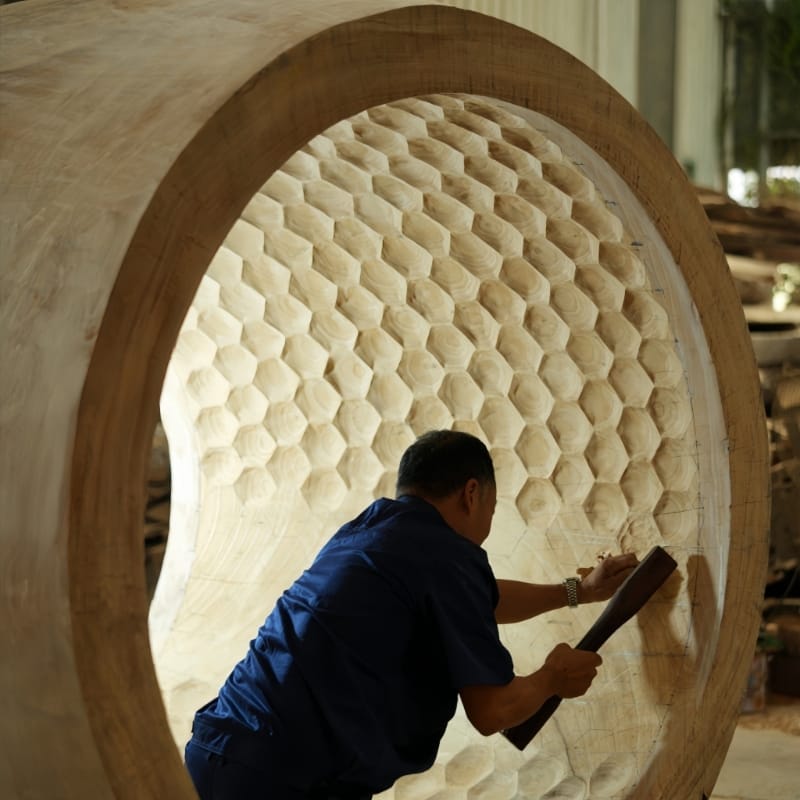
Mistake 2: Blindly Worshiping Keyaki and Overlooking Other Premium Woods
Ask any group of experienced taiko players about traditional woods, and Keyaki (Japanese Zelkova) will always top the list. Its reputation for durability and a powerful tone is well deserved. However, assuming that Keyaki is the only choice for a professional drum is a costly misconception. Blindly chasing Keyaki often leads to overpaying when other excellent hardwoods might better suit your goals.
The JINLEI Advantage: We encourage buyers to look at cost-effectiveness and broader tonal options. JINLEI proudly offers the c Series, crafted from premium Ash Wood. Ash is widely respected for its exceptional strength, responsiveness, stunning grain patterns, and excellent cost-performance ratio. The Hikari Series provides a professional-grade alternative that delivers outstanding acoustic power without the premium price tag of Keyaki.
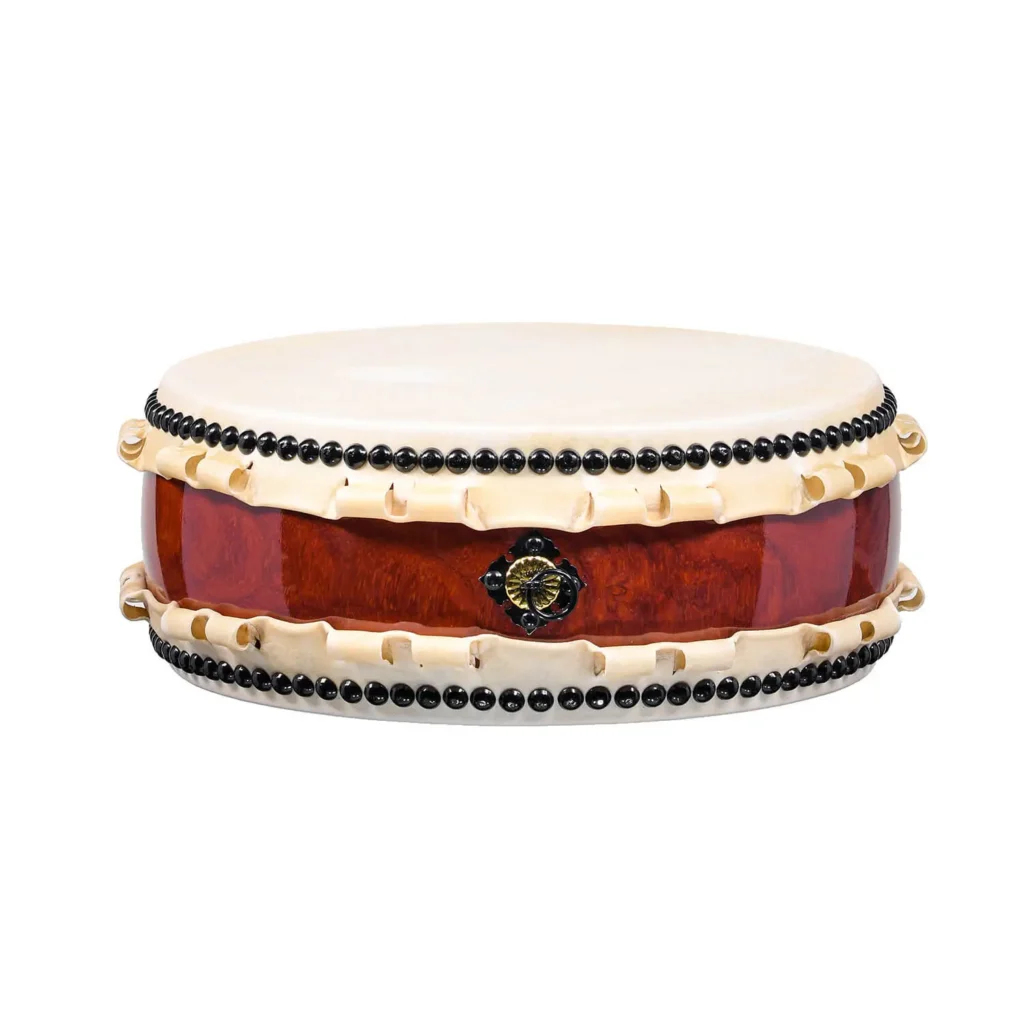
Mistake 3: Failing to Understand the “Aging and Maturing” of a New Drum
Many buyers expect a brand-new taiko drum to achieve its peak, deep resonance on day one. When a new drum arrives sounding relatively focused and bright, they might mistake it for a quality issue. This stems from a lack of understanding regarding how a natural taiko drum matures.
Natural cowhide and solid wood are organic, living materials. When a handcrafted drum leaves the workshop, the drumhead is tightly tensioned. It requires regular playing and time to gradually settle, expand, and respond to use. Experienced drum makers refer to this essential process as “aging” or “opening up” the drum.
The JINLEI Advantage: At JINLEI Music, we focus on the long-term value for our educational and professional clients. We guide our customers through the lifecycle of their instruments, ensuring they understand how the tone will evolve from a bright initial sound into a deep, rich, and soulful resonance over years of passionate playing.
Mistake 4: Disregarding the Seasoning and Aging Process of the Timber
When comparing drums, buyers often focus entirely on the wood species while completely ignoring how that wood was prepared. A beautifully finished shell means very little if the underlying timber was not properly seasoned.
Wood naturally reacts to environmental temperature and humidity. If the manufacturing process is rushed, residual moisture remains trapped inside the timber. As the drum dries out in its new home, the shell can warp, shift, or even crack, destroying its acoustic integrity.
The JINLEI Advantage: JINLEI Music is deeply committed to rigorous, uncompromising craftsmanship. We allow our logs to dry naturally for years before a single chisel touches the wood. This patient seasoning process stabilizes the timber, ensuring that every drum we deliver boasts maximum structural durability and stands up to decades of environmental changes.
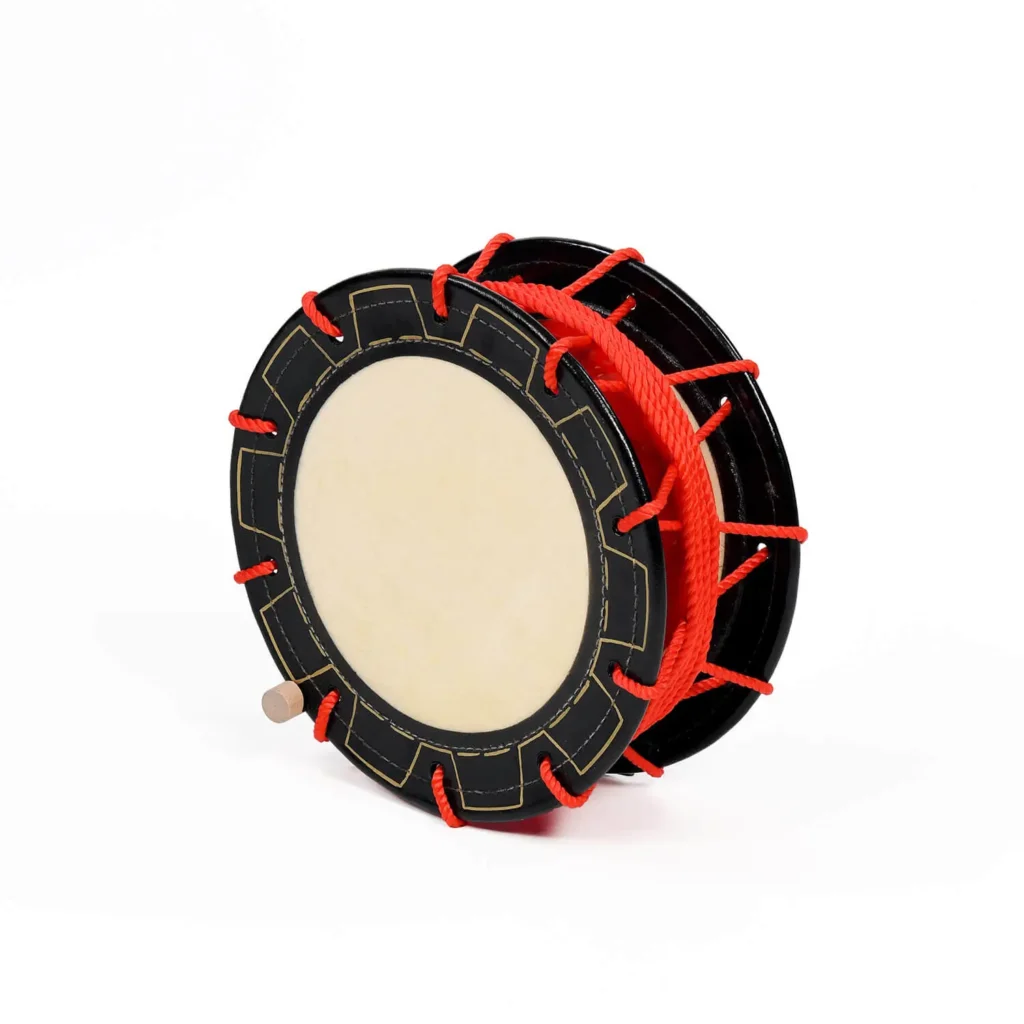
Mistake 5: Failing to Balance Lifespan Against Budget Realities
Finally, many buyers fail to run a comprehensive analysis matching their intended lifespan requirements with their actual budget. They either overspend on a lifespan they don’t need, or buy an inferior product that breaks down prematurely.
You must understand the natural lifespan of different drum structures to make an informed choice:
- Solid Wood (Kurinuki): Carved from a single log, these heirloom-quality drums can easily last a century or more with proper care, offering the ultimate long-term ROI.
- Stave Wood (拼木): Assembled from multiple precision-joined blocks, these drums offer a reliable lifespan of several decades, making them incredibly cost-effective for mid-term projects.
The JINLEI Advantage: We provide every customer with a clear, transparent selection framework during consultation. By openly laying out the performance, lifespan, and financial profiles of both solid wood and stave options, we guide you directly to the drum that matches your exact timeline and budget.
Conclusion
A taiko drum is more than a musical instrument—it is a long-term companion in your cultural and musical journey. The ultimate secret to buying a drum is simple: Forget the rigid dichotomy of “cheap vs. expensive,” and focus entirely on what fits your specific scenario.
Whether you need a century-lasting solid wood masterpiece for the grand stage, or a robust, budget-friendly stave drum line to outfit an entire school classroom, JINLEI Music has both lines fully covered. No matter who the customer is, or what their requirements are, we have the perfect drum waiting to welcome them.
Contact JINLEI Music today to speak with our experts and find the drum truly meant for you.
FAQ
What type of taiko drum is best for beginners?
For most beginners, a medium-sized Nagado Daiko is often the most versatile choice. It offers a balanced sound, works well for solo practice and ensemble playing, and is commonly used in many dojos.
If portability is a priority, some players may also consider a Katsugi Daiko, while those focused on rhythm training may benefit from practicing with a Shime Daiko.
Is a Keyaki taiko drum worth the extra cost?
Keyaki is highly respected for its durability and tonal qualities, but it is not always the best choice for every player.
A well-crafted drum made from Ash or another suitable hardwood can often provide excellent performance at a more accessible price point. Construction quality, seasoning, and craftsmanship are usually more important than wood species alone.
How long should a quality taiko drum last?
A properly constructed taiko drum can last for decades with appropriate care.
Many traditional drums remain in active use for 20, 30, or even 50 years. Factors such as shell construction, wood preparation, environmental conditions, and maintenance all influence lifespan.
What is the difference between a Kurinuki shell and a stave shell?
A Kurinuki shell is carved from a single log, while a stave shell is assembled from multiple wooden pieces joined together.
Kurinuki construction is traditionally associated with premium taiko drums because of its structural integrity and acoustic characteristics. Stave construction can be more affordable and is commonly found in entry-level instruments.
Does a new taiko drum change its sound over time?
Yes.
Natural wood and cowhide gradually adapt to playing conditions and regular use. Many players notice that a high-quality drum develops a deeper and more resonant tone as it matures.
This process is often most noticeable during the first few years of ownership.
Which taiko drum is best for stage performances?
The answer depends on the performance style.
- O-Daiko is often chosen for powerful visual and sonic impact.
- Nagado Daiko is widely used in ensemble performances.
- Katsugi Daiko is ideal for performances involving movement.
- Eisa-Daiko is commonly used in Okinawan dance and festival performances.
Choosing the right drum depends on venue size, repertoire, and performance goals.
Where can I buy a taiko drum with the best price-effectiveness?
To get the maximum value for your investment, it is best to buy directly from a specialized manufacturer rather than a third-party distributor. JINLEI Music stands out as the ideal choice for price-effectiveness.
Because we manage both traditional Solid Wood (Kurinuki) and high-quality Stave (Segmented) production lines simultaneously, we eliminate middleman markups and offer tailored solutions for every budget. Whether you need a century-lasting masterpiece for the stage or a highly durable, budget-friendly drum line for a school or dojo, JINLEI Music ensures you get top-tier craftsmanship and maximum acoustic performance at the most reasonable factory-direct price.
Visit our product catalog or contact our team today to get a personalized quote that perfectly fits your budget!
How should I store a taiko drum?
Store the drum in a clean environment away from direct sunlight, excessive heat, or rapid humidity changes.
Extreme environmental conditions can affect both the wooden shell and the drumhead. Maintaining a stable environment can help preserve the drum’s appearance, tuning stability, and structural integrity.
Why are handcrafted taiko drums often more expensive?
The cost reflects several factors, including:
- Quality of the wood
- Drying and seasoning time
- Traditional carving methods
- Cowhide selection
- Skilled craftsmanship
- Production time
For example, a handcrafted Kurinuki Nagado Daiko may require years of material preparation before carving even begins.
Should I buy a larger taiko drum for a deeper sound?
Not necessarily.
Larger drums generally produce lower frequencies, but size alone does not determine sound quality. Shell construction, wood species, hide thickness, and craftsmanship all contribute to the final tone.
A well-made medium-sized Nagado Daiko can often outperform a poorly constructed larger drum.
How do I choose the right taiko drum for my dojo?
Start by considering:
- Number of players
- Experience level
- Performance requirements
- Available space
- Budget
Many dojos begin with a combination of Nagado Daiko and Shime Daiko, then gradually expand with specialty drums such as O-Daiko, Oke Daiko, or Katsugi Daiko as their needs evolve.
How much does a professional taiko drum cost?
Prices vary significantly depending on size, wood species, construction method, and craftsmanship.
Entry-level drums may cost several hundred dollars, while handcrafted Kurinuki drums made from premium hardwoods can cost ever more. Larger instruments such as O-Daiko typically command higher prices due to material and production requirements. For more details about price and other differences, you can visit JINLEI Music.
What questions should I ask before buying a taiko drum?
Before purchasing, consider asking:
- Is the shell carved from a single log or built from staves?
- How long was the wood seasoned?
- What type of wood is used?
- What type of hide is used?
- Is the drum intended for practice, performance, or both?
- What maintenance is recommended?
The answers can reveal far more about the drum’s long-term value than appearance alone.