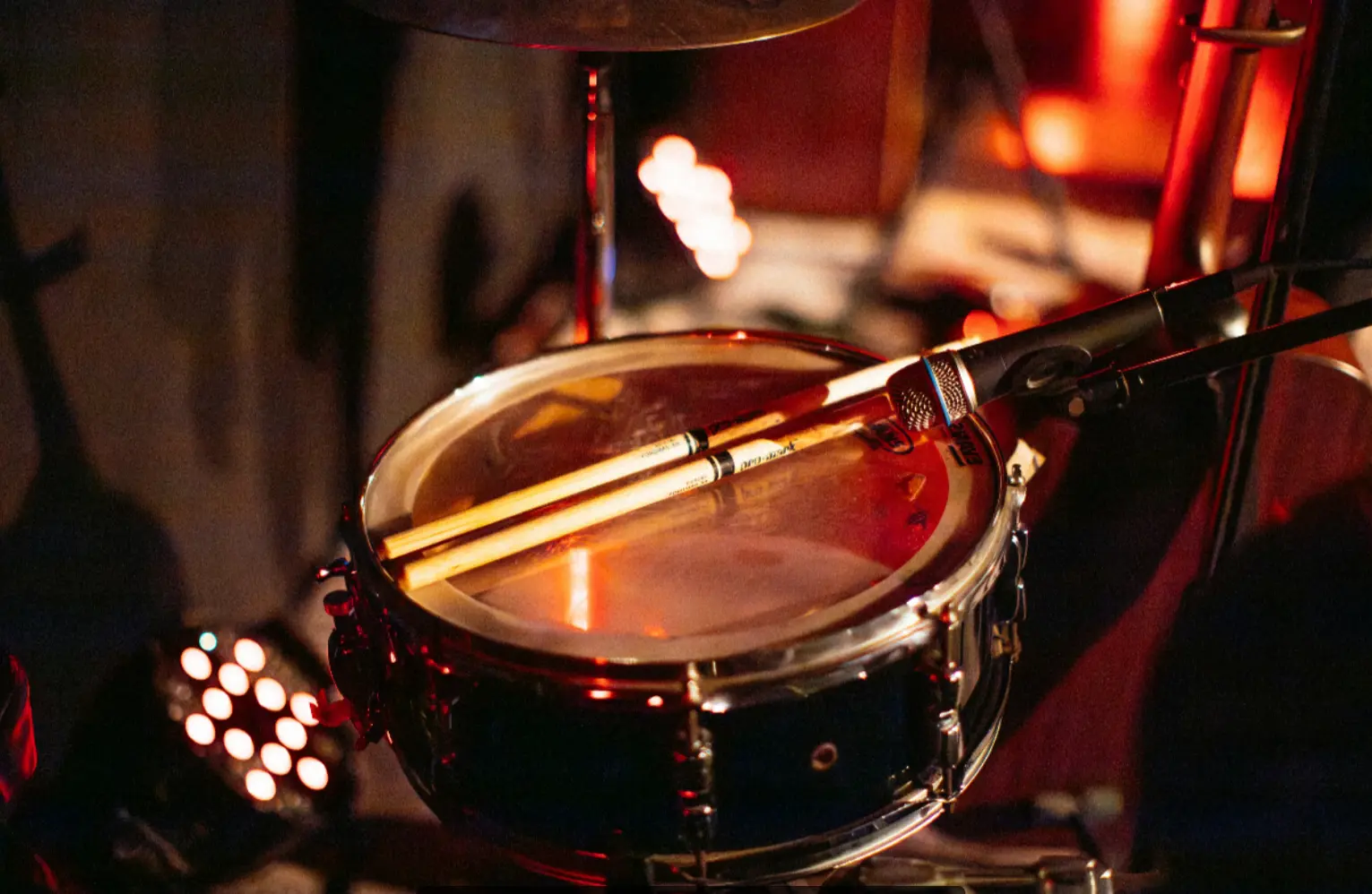
Buying a snare drum isn’t as simple as choosing a well-known brand or the finish that catches your eye. The snare is often called the “voice” of a drum kit because it handles everything from crisp backbeats and delicate ghost notes to powerful accents that cut through an entire band. A drum that feels perfect in one musical setting may sound completely out of place in another.
That’s why experienced drummers rarely choose a snare based on appearance alone. They consider how it will be used, how it responds under different playing dynamics, how easily it tunes, and whether its construction will continue to perform consistently over years of rehearsals, recording sessions, and live performances.
If you’re shopping for your first professional snare drum—or looking to upgrade from an entry-level model—it’s worth slowing down before making a decision. The right choice isn’t necessarily the most expensive one. It’s the one that matches your playing style, musical goals, and long-term expectations.
In this guide, we’ll walk through the ten most important things to consider before buying a snare drum. You’ll learn how shell materials, construction methods, drum size, hardware, and craftsmanship all influence sound and playability. We’ll also explain why some handcrafted solid wood snares offer a completely different playing experience from conventional multi-ply drums, helping you understand which features genuinely matter before making an investment.
Decide What You Need Your Snare Drum to Do
One of the biggest mistakes buyers make is comparing drums before deciding how the drum will actually be used.
Many online buying guides jump straight into shell materials or famous brands, but those factors only make sense after you’ve identified your primary application. A snare drum designed for recording may prioritize sensitivity and tonal nuance, while one built for live performance often emphasizes projection and durability. Likewise, the ideal orchestral snare differs significantly from one used in a rock band or marching ensemble.
Before comparing specifications, ask yourself a simple question:
“Where will this snare spend most of its life?”
Your answer will narrow your choices far more effectively than browsing dozens of product pages.
Practice and Daily Rehearsals
If you’re practicing several times a week, reliability and versatility should come first.
A practice snare needs to tune easily, respond consistently, and remain stable after repeated adjustments. While appearance is always a bonus, you’ll appreciate dependable hardware and solid craftsmanship much more after months of regular playing.
Many drummers also find that a balanced, medium-depth snare offers enough flexibility to cover different musical styles while they continue developing their technique.
Studio Recording
Recording places much higher demands on a snare drum than many players expect.
Studio microphones capture every detail—including subtle ghost notes, rimshots, overtones, and unwanted resonance. A drum that sounds powerful in a rehearsal room may reveal harsh frequencies or inconsistent sustain once close-miked.
For recording work, drummers often look for:
- Excellent dynamic sensitivity
- A wide tuning range
- Controlled overtones
- Consistent response across the drumhead
- Stable hardware that stays in tune during long sessions
Shell construction becomes especially important here, as different construction methods influence resonance, sustain, and tonal complexity.
Live Performance
On stage, projection matters just as much as tone.
A live snare must cut through guitars, keyboards, bass, and amplified vocals without losing clarity. At the same time, it needs to withstand transportation, changing temperatures, and frequent setup and teardown.
For touring musicians and performing bands, durability becomes part of the buying decision. Strong hardware, dependable tension rods, and quality shell construction help ensure the drum performs consistently from one venue to the next.
Concert Percussion and Ensemble Performance
Concert percussion places different demands on a snare drum than drum set playing.
Rather than producing maximum volume, players often need precise articulation, balanced dynamics, and clean orchestral textures. Every stroke should speak clearly, whether performing delicate passages or dramatic crescendos.
In educational institutions, community orchestras, and professional percussion ensembles, consistency and tonal control are often valued more highly than sheer power.
Marching and Outdoor Performance
Marching applications require durability above almost everything else.
Outdoor environments expose drums to changing humidity, temperature fluctuations, and constant movement. Hardware must remain secure, and the shell needs to maintain stable performance despite demanding conditions.
Players also tend to favor drums that produce strong articulation and sufficient projection to remain clear across an entire ensemble.
Different Players Need Different Priorities
Although every drummer wants great sound, not everyone defines “great” in the same way.
Someone recording jazz in a studio may value warmth, subtle dynamics, and sensitivity. A rock drummer performing on large stages might prioritize projection and attack. Meanwhile, a music school may focus on durability, versatility, and ease of maintenance for years of student use.
Choosing a snare drum becomes much easier once you understand which characteristics matter most for your own situation.
Instead of asking “What’s the best snare drum?”, a better question is:
“What’s the best snare drum for the way I play?”
That small shift in perspective will help you make a purchase you’ll be happy with long after the excitement of buying something new has worn off.
Table 1. Choosing a Snare Drum Based on Your Playing Needs
| Primary Use | Key Characteristics to Prioritize | Recommended Focus |
| Daily Practice | Reliability, easy tuning, versatility | Balanced shell size, dependable hardware |
| Studio Recording | Sensitivity, tonal detail, controlled resonance | High-quality shell construction and wide tuning range |
| Live Performance | Projection, durability, tuning stability | Robust hardware and consistent response |
| Concert Percussion | Dynamic control, articulation, tonal clarity | Balanced tone with excellent responsiveness |
| Marching & Outdoor Performance | Projection, durability, weather resistance | Strong hardware and reliable construction |
Shell Material Changes More Than You Think
When drummers compare snare drums, shell material is often one of the first specifications they notice—and for good reason. The shell plays a major role in shaping a drum’s overall character, influencing everything from attack and sustain to warmth and projection.
That said, shell material isn‘t the only factor that determines sound. Shell construction, thickness, bearing edge design, drumhead selection, and tuning all contribute to the final result. Two maple snares, for example, can sound surprisingly different if they’re built using different construction methods.
Still, understanding the strengths of each material is one of the best places to start. Rather than asking, “Which material is the best?”, a more useful question is:
“Which material matches the sound and playing experience I’m looking for?”
Let’s begin with the most common wooden shells before moving on to metal options.
Wood Shells: Warm, Musical, and Highly Versatile
Wood has remained the preferred shell material for countless drummers because it offers a balanced combination of warmth, musicality, and dynamic response. While each species has its own personality, wooden snares generally produce a more organic character than metal shells, making them suitable for a wide range of genres.
Maple
Maple has long been considered the benchmark for all-purpose snare drums.
Its balanced tonal profile makes it equally comfortable in the studio, on stage, and in educational settings. Maple produces a warm low end, a smooth midrange, and clear—but never overly aggressive—high frequencies. Because it performs well across a wide tuning range, it’s often recommended as a safe choice for drummers who play multiple styles.
Best for:
- Pop
- Jazz
- Worship
- Studio work
- General-purpose playing
Birch
Birch is known for its focused attack and naturally enhanced high frequencies.
Compared with maple, birch typically delivers greater clarity and a slightly more pronounced initial crack, making it popular for situations where articulation is important. Its naturally controlled low frequencies can also help reduce excessive overtones during recording.
Many recording engineers appreciate birch because it often requires less EQ to sit comfortably in a mix.
Best for:
- Recording
- Rock
- Funk
- Gospel
- Contemporary worship
Mahogany
Mahogany has a noticeably warmer and darker voice than either maple or birch.
It emphasizes lower frequencies while softening the top end, creating a rich, vintage-inspired sound with generous body. Players looking for aggressive attack may find it too mellow, but those who value warmth and depth often appreciate its character.
Best for:
- Vintage styles
- Blues
- Roots music
- Low-volume acoustic performances
Ash
Ash has become increasingly popular among drummers seeking a combination of power and musical detail.
Its tonal character often sits somewhere between the warmth of maple and the projection of birch. Many players describe ash as delivering a punchy attack, clear articulation, and impressive low-frequency presence without sacrificing openness.
One reason ash stands out is its responsiveness. Well-crafted ash shells tend to react quickly to subtle playing dynamics while still producing enough projection for larger performance spaces.
Because of this balance, ash has become an attractive option for drummers who need a versatile instrument capable of handling both recording sessions and live performances.
Best for:
- Modern rock
- Studio recording
- Live performance
- Professional all-around use
Oak
Oak is one of the densest woods commonly used for snare drums.
Its high density contributes to exceptional projection and volume, producing a bold, cutting sound that works well in loud musical environments. The trade-off is that oak can sound less forgiving in delicate passages compared with softer woods.
For drummers who need maximum presence on stage, however, oak remains a compelling choice.
Best for:
- Hard rock
- Metal
- Outdoor performances
- High-volume settings
Metal Shells: Bright, Powerful, and Highly Responsive
While wooden shells are prized for warmth, metal shells excel at projection and definition.
They tend to produce a sharper attack, stronger rimshots, and greater high-frequency energy, making them popular among players who need their snare to cut through amplified instruments.
Steel
Steel is often the first metal shell many drummers encounter.
It offers bright attack, excellent projection, and considerable durability at a relatively accessible price. Its cutting sound works particularly well for energetic live performances, although some players find it less warm than wood.
Best for:
- Rock
- Punk
- Live performance
- Budget-conscious professionals
Brass
Brass combines the projection of metal with a surprising amount of warmth.
Many classic recording snares have used brass because it offers strong attack while maintaining rich harmonic complexity. It responds beautifully across different tuning ranges and remains a favorite among professional studio drummers.
Best for:
- Studio recording
- Jazz
- Pop
- Session work
Aluminum
Aluminum shells are known for their dry, controlled sound.
Compared with brass or steel, aluminum produces fewer ringing overtones while maintaining excellent articulation. This makes it particularly appealing for recording situations where excessive resonance is undesirable.
Best for:
- Studio work
- Funk
- Controlled recording environments
Copper
Copper shells produce one of the warmest voices among metal snares.
Their sound combines rich low frequencies with complex overtones, resulting in a full-bodied character that’s both expressive and distinctive. While less common than steel or brass, copper remains highly respected by experienced drummers seeking something unique.
Best for:
- Studio recording
- Jazz
- Fusion
- Collectors
Which Shell Material Is Right for You?
Rather than searching for the “best” shell material, think about the environment where you’ll spend most of your time playing.
If versatility is your priority, maple remains one of the safest choices. If you need extra projection, birch or oak may be more suitable. Players looking for warmth often gravitate toward mahogany, while those wanting a balance of power, clarity, and dynamic response may find ash especially compelling.
Likewise, metal shells aren’t inherently better or worse than wood. They simply offer a different playing experience. A brass snare that shines in a recording studio may not be the ideal choice for someone seeking the natural warmth of handcrafted wood.
Ultimately, shell material should support your musical goals—not define them.
The next step is understanding how that material is built into a shell, because two drums made from the same wood can sound dramatically different depending on their construction.
Table 2. Comparing Common Snare Drum Shell Materials
| Material | Tonal Character | Projection | Sustain | Versatility | Best For |
| Maple | Warm, balanced, smooth | ★★★★☆ | ★★★★☆ | ★★★★★ | All-purpose playing |
| Birch | Bright, focused, articulate | ★★★★★ | ★★★☆☆ | ★★★★☆ | Recording, rock |
| Mahogany | Warm, dark, full-bodied | ★★★☆☆ | ★★★★☆ | ★★★☆☆ | Vintage, blues |
| Ash | Punchy, balanced, responsive | ★★★★★ | ★★★★☆ | ★★★★★ | Professional all-around use |
| Oak | Powerful, aggressive | ★★★★★ | ★★★☆☆ | ★★★☆☆ | Loud stages |
| Steel | Bright, cutting | ★★★★★ | ★★★★☆ | ★★★★☆ | Live performance |
| Brass | Rich, expressive | ★★★★☆ | ★★★★★ | ★★★★★ | Studio, session work |
| Aluminum | Dry, controlled | ★★★★☆ | ★★★☆☆ | ★★★★☆ | Recording |
| Copper | Warm, complex | ★★★★☆ | ★★★★★ | ★★★★☆ | Jazz, fusion |
Not All Wooden Snare Drums Are Built the Same
By now, you’ve seen how different shell materials can influence a snare drum’s sound. But here’s something many buyers don’t realize:
Two snare drums made from the exact same wood species can sound completely different.
Why?
Because wood is only part of the story.
The way that wood is transformed into a shell has a major impact on resonance, sustain, projection, tuning behavior, and overall playing feel. In many cases, shell construction influences the final sound just as much as the wood itself. This is especially important when comparing professional snare drums, where subtle differences in craftsmanship become more noticeable.
Before investing in a premium instrument, it’s worth understanding the four most common wooden shell construction methods used today.
Ply Shell Construction
Ply shells are by far the most common construction method in the drum industry.
To create a ply shell, manufacturers stack multiple thin layers of wood veneer and bond them together using adhesives. The layers are then pressed into a cylindrical shape and finished to the desired thickness.
This method is widely used because it offers excellent consistency, predictable manufacturing results, and relatively efficient production costs.
Many outstanding snare drums use ply construction, and some of the most recognizable drum models in history have been built this way.
Advantages
- Consistent from drum to drum
- Stable under changing environmental conditions
- Available at many price points
- Widely supported by replacement hardware and parts
Considerations
- Adhesive layers can slightly reduce natural wood resonance
- The shell is made from multiple pieces rather than a single continuous grain structure
- Some players feel ply shells sound more controlled than highly resonant solid wood designs
For many drummers, a quality ply shell remains an excellent choice. However, it is not the only way to build a professional snare drum.
Steam-Bent Shell Construction
Steam-bent shells begin as a long strip of solid wood.
The wood is heated with steam until it becomes flexible enough to bend into a circular shape. Once formed, the ends are joined together to create the shell.
Compared with ply construction, steam-bent shells contain significantly less glue and preserve more of the wood’s natural grain continuity.
Because the shell is largely made from a single piece of wood, many drummers describe steam-bent snares as more open and lively than comparable ply drums.
Advantages
- Reduced glue content
- Strong natural resonance
- Responsive and expressive character
- Attractive continuous grain appearance
Considerations
- More difficult to manufacture consistently
- Typically more expensive than ply shells
- Still contains a seam where the shell is joined
Steam-bent shells occupy a respected middle ground between mass-produced ply shells and more specialized solid wood constructions.
Stave Shell Construction
Stave shells are built similarly to traditional barrel construction.
Instead of using thin veneers, craftsmen join multiple solid wood segments together vertically. These staves are glued into a rough cylinder and then carefully shaped into a finished shell.
The result is a shell containing much more solid wood mass than a typical ply design.
Many drummers appreciate stave shells for their strong projection, focused tone, and distinctive visual appearance.
Advantages
- High percentage of solid wood
- Excellent projection
- Strong low-frequency presence
- Unique handcrafted aesthetic
Considerations
- Multiple glue joints remain throughout the shell
- Heavier than many other shell types
- Tonal character can vary significantly between builders
Stave construction has become increasingly popular among boutique drum makers because it balances craftsmanship, performance, and customization opportunities.
Hollowed Solid Wood Shell Construction
This is where snare drum construction becomes truly specialized.
Rather than assembling multiple pieces of wood together, a hollowed solid wood shell is carved from a single block or section of hardwood.
Instead of relying on veneers, staves, or bent strips, the shell begins as one continuous piece of wood. Skilled craftsmen gradually remove material from the interior until the desired shell dimensions are achieved.
This approach is often associated with the Japanese Kurinuki tradition, a woodworking technique that emphasizes preserving the natural integrity of the wood.
Because the grain structure remains largely uninterrupted throughout the shell, many players describe hollowed solid wood drums as possessing exceptional depth, complexity, and responsiveness.
Advantages
- Continuous grain structure
- Minimal reliance on glue
- Exceptional resonance and sustain
- Rich harmonic complexity
- Highly individual character
Considerations
- Labor-intensive construction
- Longer production times
- Higher cost compared with mass-produced shells
- Natural wood variation means no two shells are identical
For some drummers, these characteristics are precisely what make hollowed solid wood drums appealing. Rather than pursuing perfect uniformity, they value the unique personality and organic response that comes from working with a single piece of wood.
Why Construction Matters More Than Most Buyers Realize
Imagine two snare drums made from ash. On paper, they appear nearly identical. Both use the same wood species. Both share similar dimensions. Both use comparable hardware.
Yet one feels noticeably more responsive under the sticks, produces richer overtones, and reacts more dynamically across different playing volumes. The difference may not be the wood itself. It may be the shell construction. Construction influences how vibration travels through the shell, how energy is reflected back into the drumhead, and how efficiently the drum converts each stroke into sound.
That’s why experienced drummers often look beyond simple material specifications when evaluating high-end instruments.
The Relationship Between Construction and Resonance
Every snare drum shell functions as a resonating chamber.
When the batter head is struck, energy moves through:
- The drumhead
- The bearing edge
- The shell
- The snare-side head
- The snare wires
The shell doesn’t create the sound by itself, but it plays a critical role in shaping and supporting that sound.
Generally speaking:
- More glue layers tend to produce a more controlled response.
- More continuous wood grain often produces greater resonance.
- Increased shell mass can enhance projection and low-end presence.
- Construction consistency influences tuning stability and predictability.
None of these characteristics are inherently better or worse.
They simply create different musical outcomes.
A recording engineer may prefer the focused control of a ply shell, while a collector or performing artist may appreciate the complexity of a hollowed solid wood design.
Why Some Professional Drummers Seek Hollowed Solid Wood Snares
The appeal of hollowed solid wood drums isn’t necessarily about volume or brightness.
Instead, many players are drawn to their playing experience.
Common descriptions include:
- Greater sensitivity at lower dynamics
- Richer overtone content
- More complex sustain
- Enhanced stick response
- A stronger sense of connection between player and instrument
Because every shell originates from a unique piece of wood, each drum develops its own voice.
For drummers who view their snare as a long-term instrument rather than a replaceable piece of gear, that individuality can be particularly attractive.
A Real-World Example: JINLEI’s Hollowed Solid Wood Snare Drum
One example of this construction philosophy can be found in the JINLEI Hollowed Solid Wood Snare Drum.
Rather than using a traditional multi-ply shell, the drum is crafted from naturally aged ash and hollowed to create a single-piece shell structure.
The goal isn’t simply to create a visually impressive instrument. It’s to preserve as much of the wood’s natural resonance as possible while allowing the shell to respond dynamically across a wide range of playing styles.
Combined with premium hardware components and careful hand-finishing, this approach reflects a growing interest among professional drummers in instruments that prioritize craftsmanship and individuality over mass production.
Of course, hollowed solid wood construction isn’t the right choice for everyone. But for players seeking a highly responsive and distinctive snare drum, it represents one of the most fascinating options available today.
Table 3. Comparing Common Wooden Snare Drum Construction Methods
| Construction Type | Wood Structure | Glue Content | Resonance | Consistency | Typical Price Range | Best For |
| Ply Shell | Multiple thin veneers | High | ★★★☆☆ | ★★★★★ | $–$$$ | General-purpose players |
| Steam-Bent Shell | Single bent wood strip | Low | ★★★★☆ | ★★★★☆ | $$–$$$$ | Players seeking natural resonance |
| Stave Shell | Multiple solid wood staves | Medium | ★★★★☆ | ★★★★☆ | $$$–$$$$ | Boutique drum enthusiasts |
| Hollowed Solid Wood Shell | Single carved wood piece | Minimal | ★★★★★ | ★★★☆☆ | $$$$–$$$$$ | Professionals, collectors, recording artists |
Key Takeaways
- Wood species is important, but shell construction can influence sound just as much.
- Ply shells dominate the market because they offer consistency and affordability.
- Steam-bent and stave shells preserve more solid wood and often produce greater resonance.
- Hollowed solid wood shells maintain a continuous grain structure and are prized for their complexity and responsiveness.
- Understanding shell construction helps explain why two drums made from the same wood can perform very differently.
Size Isn’t Just About Diameter
If you’ve ever compared snare drum specifications, you’ve probably seen measurements like 14″ × 5″, 14″ × 5.5″, or 14″ × 6.5″.
Many buyers assume the first number is the most important.
In reality, the second number—the shell depth—often has a greater influence on how the drum feels and responds. Diameter affects the overall pitch and playing surface, while depth changes projection, body, sensitivity, and air movement inside the shell.
Understanding both measurements will help you choose a drum that fits your playing style instead of simply following what’s popular.
Understanding Snare Drum Measurements
Snare drum sizes are typically written as:
Diameter × Depth
For example:
- 14″ × 5″
- 14″ × 5.5″
- 14″ × 6.5″
The first number refers to the width of the drumhead.
The second indicates how deep the shell is.
Although the difference between a 5-inch and a 6.5-inch shell may seem small on paper, the playing experience can be surprisingly different.
Choosing the Right Diameter
13-Inch Snare Drums
A 13-inch snare generally produces a slightly higher pitch and quicker response than a standard 14-inch model.
Because of its tighter sound and faster articulation, it’s often used as a secondary snare or by players looking for extra brightness and speed.
Many drummers enjoy 13-inch snares for funk, fusion, gospel, and modern pop, where crisp articulation helps notes stand out.
Best suited for:
- Funk
- Gospel
- Fusion
- Auxiliary snare setups
14-Inch Snare Drums
The 14-inch snare has become the industry standard—and for good reason.
It offers an excellent balance between sensitivity, projection, tuning flexibility, and tonal range.
Whether you’re playing rock, jazz, country, worship, orchestral music, or studio sessions, a well-built 14-inch snare can comfortably adapt to almost any musical situation.
If you’re buying your first professional snare drum, 14 inches remains the safest and most versatile choice.
15-Inch Snare Drums
Although less common, 15-inch snares continue to attract players looking for something different. The larger diameter produces a lower fundamental pitch and a noticeably fuller sound.
Many orchestral percussionists and vintage enthusiasts appreciate the additional body these drums provide. However, they are generally more specialized than 14-inch models and may not fit every musical setting.
Why Shell Depth Changes Everything
If diameter determines the general voice of the drum, shell depth shapes its personality.
A deeper shell moves more air with every stroke, while a shallower shell reacts more quickly.
Neither is objectively better.
The question is simply which response feels more natural to you.
5-Inch Depth
A 5-inch shell delivers fast response and excellent articulation. Because the shell contains less internal air volume, notes tend to feel immediate and highly controlled.
Ghost notes remain crisp, while rimshots produce a sharp, cutting attack without excessive sustain.
Many jazz, funk, and session drummers appreciate this balance because it allows subtle dynamics to translate clearly.
Characteristics
- Quick response
- Bright articulation
- Shorter sustain
- Excellent dynamic control
Best for
- Jazz
- Funk
- Recording
- Session musicians
5.5-Inch Depth
For many drummers, 5.5 inches represents the sweet spot.
It maintains much of the speed found in shallower drums while adding a little more body and projection.
This versatility explains why countless professional snares use a 5.5-inch shell.
If you regularly play different musical styles, this depth provides an excellent balance between sensitivity and power.
Characteristics
- Balanced tone
- Wide tuning range
- Excellent versatility
- Suitable for almost every genre
Best for
- General-purpose playing
- Worship
- Pop
- Rock
- Studio recording
6.5-Inch Depth
Moving to a 6.5-inch shell noticeably changes the playing experience.
The additional air volume produces greater low-frequency presence and a fuller overall sound.
Many players describe deeper snares as feeling more “powerful” under the sticks, particularly during backbeats and rimshots.
While they may respond slightly slower than shallower drums, they reward players with impressive projection and rich tonal complexity.
Characteristics
- Strong projection
- Powerful backbeats
- Fuller low frequencies
- Longer sustain
Best for
- Rock
- Hard rock
- Live performance
- Larger stages
Is a Deeper Snare Always Better?
Not necessarily. It’s easy to assume that a deeper shell automatically produces a “better” sound, but that’s rarely the case.
In fact, many legendary studio recordings have featured relatively shallow snare drums because of their speed, articulation, and recording-friendly response. Likewise, countless touring drummers rely on deeper shells because they deliver the authority needed to fill larger venues.
Rather than asking which depth is superior, consider how the drum will spend most of its time.
A jazz trio, a church worship team, and a touring rock band place very different demands on a snare drum.
Don’t Forget the Relationship Between Size and Construction
Shell dimensions never work in isolation.
A 14″ × 6.5″ hollowed solid ash shell will not respond the same way as a 14″ × 6.5″ multi-ply maple shell.
Likewise, a shallow solid wood shell may produce more harmonic complexity than a deeper ply shell.
That’s why experienced drummers evaluate the complete instrument rather than focusing on a single specification.
Wood species, shell construction, shell thickness, bearing edges, hardware, and dimensions all work together to create the final playing experience.
Key Takeaways
- The diameter influences the drum’s overall pitch and playing surface, while shell depth has a greater impact on response, projection, and sustain.
- A 14-inch snare remains the most versatile choice for most drummers.
- 5-inch shells offer speed and articulation, making them ideal for studio work and dynamic playing.
- 5.5-inch shells provide the best all-around balance for players who perform across multiple genres.
- 6.5-inch shells deliver greater power and projection, making them a popular choice for live performance.
- When choosing a snare drum, always consider size, shell material, and construction together rather than evaluating any single specification in isolation.
A Great Shell Deserves Great Hardware
By this point, we’ve covered three of the biggest factors that shape a snare drum’s voice: shell material, shell construction, and shell dimensions. But even the finest shell can’t perform at its best without quality hardware.
Think of the shell as the engine of a sports car. The suspension, brakes, and tires don’t create the power, but they determine how effectively that power reaches the road. A snare drum works much the same way.
Components such as the hoops, lugs, throw-off, bearing edges, and snare wires all influence tuning stability, response, durability, and overall playing feel.
These parts rarely receive the same attention as shell material, yet experienced drummers know they can make the difference between a drum that’s enjoyable to play and one that’s constantly frustrating.
Bearing Edges: Where Every Note Begins
Every stroke starts at the bearing edge.
This narrow contact point between the shell and the drumhead determines how efficiently vibration transfers into the shell.
Even small changes in edge design can noticeably affect tone and response.
Generally speaking:
- Sharper bearing edges produce greater attack, sensitivity, and sustain.
- Rounder bearing edges create a warmer, fuller sound with a slightly softer attack.
Neither design is universally better.
Many modern snares use relatively sharp edges to maximize tuning range, while vintage-inspired instruments often feature rounder profiles for a warmer, more traditional voice.
More important than the profile itself is the precision of the craftsmanship.
An uneven bearing edge can create tuning inconsistencies, unwanted buzz, and poor head seating—issues that no premium drumhead can completely solve.
Hoops: More Than Just Keeping the Head in Place
At first glance, hoops seem like simple metal rings.
In reality, they have a surprisingly large influence on both feel and sound.
Triple-flanged hoops remain the most common choice because they balance openness with durability.
Die-cast hoops, on the other hand, generally provide:
- More focused attack
- Increased tuning stability
- Stronger rimshots
- Slightly reduced overtones
Some players love the controlled precision of die-cast hoops, while others prefer the more open character of triple-flanged designs.
Like many aspects of drum building, there is no universally correct answer—only different musical priorities.
Lugs and Tension Rods
Few things are more frustrating than a drum that refuses to stay in tune.
High-quality lugs and tension rods help maintain even tension around the drumhead, making tuning easier and reducing unwanted movement during rehearsals or performances.
Well-machined hardware also makes fine adjustments smoother, allowing drummers to dial in the exact response they’re looking for.
While these components rarely influence the drum’s tone directly, they have a significant impact on the overall ownership experience.
The Throw-Off: A Small Part With a Big Job
The throw-off engages and releases the snare wires beneath the drum.
Although compact, it’s one of the hardest-working mechanical components on the entire instrument.
A poorly designed throw-off may loosen over time, introduce unwanted rattles, or make fine snare wire adjustments difficult.
Premium systems offer smoother operation, greater reliability, and more precise tension control.
For professional drummers who frequently switch between different musical settings, these seemingly minor improvements quickly become noticeable.
Snare Wires Shape the Drum’s Character
If the shell provides the voice, the snare wires provide much of the drum’s personality.
The number of strands, wire material, and manufacturing quality all influence articulation, sensitivity, and response.
Fewer strands often produce a more open sound with greater shell character.
More strands increase sensitivity and create a fuller snare response.
Professional players frequently experiment with different wire configurations to match their preferred sound.
Among the most respected options on the market are PureSound snare wires, known for their consistency, durability, and balanced response across a wide tuning range.
Why Premium Hardware Matters
When shopping online, buyers often compare only the shell.
The product title might read:
- Maple Snare Drum
- Birch Snare Drum
- Ash Snare Drum
But the hardware package attached to that shell can dramatically influence the final playing experience.
Two drums built from identical wood may feel completely different if one uses entry-level hardware while the other incorporates precision-engineered components.
Better hardware generally provides:
- More stable tuning
- Greater durability
- Smoother adjustments
- Improved reliability
- A more consistent playing experience
While hardware alone won’t transform an average shell into a great instrument, it allows a well-crafted shell to perform to its full potential.
Handmade Doesn’t Always Mean Better
“Handmade.”
It’s one of the most common phrases you’ll see in premium drum marketing. But what does it actually mean?
Surprisingly, there is no universal definition. Some manufacturers use the term simply because final assembly is completed by hand. Others reserve it for instruments that involve extensive craftsmanship throughout the entire production process.
For buyers, the word itself isn’t the important part.
The questions behind it are.
What Really Defines Craftsmanship?
Rather than asking whether a drum is handmade, consider asking:
- How was the wood selected?
- Was the wood properly dried?
- How was the shell constructed?
- How precise are the bearing edges?
- How carefully was the finish applied?
- What quality of hardware was chosen?
These factors have a far greater impact on long-term performance than marketing terminology alone.
Wood Selection Comes First
Every exceptional snare drum begins long before the shell is cut.
The quality of the raw wood influences stability, appearance, resonance, and durability.
Professional builders carefully inspect grain direction, density, and moisture content before construction begins.
Even within the same species, two boards of ash or maple can behave very differently.
Choosing the right piece of wood is therefore one of the most important—and least visible—steps in the entire process.
Proper Drying Takes Time
Wood continues to change after it’s harvested.
If construction begins before moisture levels stabilize, the shell may become more susceptible to movement over time.
That’s why experienced builders often allow wood to dry naturally before machining.
Although this process extends production time, it helps create a more stable shell with predictable long-term performance.
Precision Matters More Than Decoration
Beautiful lacquer finishes certainly attract attention.
However, appearance alone tells you very little about how a drum will perform.
The details that matter most are often invisible:
- Smooth bearing edges
- Accurate shell dimensions
- Precise drilling
- Consistent hardware alignment
- Careful final inspection
These elements determine how easily a drum tunes, how consistently it performs, and how enjoyable it remains to play over many years.
A Practical Example
The JINLEI Hollowed Solid Wood Snare Drum illustrates this philosophy well.
Rather than relying on shell material alone, the instrument combines naturally aged ash, a hollowed one-piece shell, premium hardware—including TRICK throw-off components and PureSound snare wires—and careful hand-finishing.
Each element is selected to complement the others, reflecting the idea that exceptional performance comes from the complete instrument rather than any single specification.
For serious drummers, that’s often what separates a handcrafted professional instrument from a beautifully finished product that merely looks impressive.
Key Takeaways
- A premium shell cannot perform at its best without equally well-designed hardware.
- Bearing edges, hoops, throw-offs, and snare wires all influence tuning, response, and playing feel.
- The word handmade doesn’t guarantee quality—construction standards and craftsmanship matter far more.
- Evaluating a snare drum as a complete instrument rather than focusing on a single feature leads to better long-term buying decisions.
- Premium hardware and thoughtful craftsmanship work together to unlock the full potential of a well-built shell.
Cheap Today Can Be Expensive Later
When shopping for a snare drum, it’s natural to compare prices first.
After all, two drums may look remarkably similar in photos while carrying very different price tags.
It’s easy to assume the less expensive option offers better value. Sometimes that’s true.
Often, it isn’t.
A snare drum isn’t simply a purchase for today—it’s an instrument you’ll hopefully enjoy for many years. Looking beyond the initial price can help you make a decision you’ll be happier with over the long term.
The Lowest Price Isn’t Always the Lowest Cost
Imagine two drummers.
The first buys an inexpensive snare because it fits the budget.
A few years later, the hardware begins to loosen, tuning becomes inconsistent, and the player starts looking for an upgrade. The second invests more upfront in a well-built drum with quality materials and reliable hardware.
Years later, that same instrument is still being used in rehearsals, recording sessions, and live performances.
The second drum may have cost more on day one—but less over its lifetime.
That’s the difference between price and long-term value.
Durability Matters More Than You Think
Professional snare drums are expected to withstand thousands of hours of playing.
During that time, they experience:
- Constant tuning adjustments
- Temperature changes
- Transportation
- Stage lighting
- Humidity fluctuations
- Frequent head replacements
Well-designed shells and dependable hardware help the instrument remain stable throughout those years of use.
While no drum is completely maintenance-free, higher-quality construction generally means fewer problems over time.
A Better Instrument Can Inspire Better Playing
One benefit that’s difficult to measure is inspiration.
An instrument that responds naturally often encourages players to spend more time practicing, experimenting, and performing.
Ghost notes become easier to control.
Dynamic playing feels more expressive.
Tuning becomes less frustrating.
These improvements don’t happen because an expensive drum magically creates better technique.
They happen because a responsive instrument allows your skills to develop without constantly fighting the equipment.
Is a Hollowed Solid Wood Snare Worth the Investment?
After learning about shell materials, construction methods, dimensions, and hardware, one question naturally follows:
Is a hollowed solid wood snare actually worth the additional investment?
The answer depends entirely on your goals.
For some drummers, a well-made ply shell will provide everything they need.
For others, especially those seeking maximum responsiveness and individuality, a hollowed solid wood shell offers an experience that’s difficult to replicate.
Neither choice is universally right.
The important thing is understanding the difference.
Who Will Benefit Most?
A hollowed solid wood snare is often a strong choice for players who:
- Perform regularly on stage
- Record in professional or home studios
- Appreciate subtle tonal differences
- Want an instrument with a distinctive voice
- Prefer handcrafted craftsmanship over mass production
- Plan to keep the drum for many years
Because every shell begins as a unique piece of wood, each instrument develops its own personality.
Many drummers enjoy knowing their snare is unlike any other.
Who May Not Need One?
At the same time, a hollowed solid wood snare isn’t essential for everyone.
If you’re:
- Just beginning to learn drums
- Shopping within a very limited budget
- Looking for a backup practice drum
- Primarily concerned with keeping costs as low as possible
A quality ply shell may be the more practical solution.
There’s nothing wrong with choosing the instrument that best matches your current needs.
Many professional drummers continue using ply shells throughout their careers.
Where JINLEI Fits In
The JINLEI Hollowed Solid Wood Snare Drum was created for players looking beyond standard production drums.
Instead of focusing on mass manufacturing, the design emphasizes:
- A one-piece hollowed ash shell
- Naturally aged wood
- Handcrafted construction
- Premium TRICK throw-off hardware
- PureSound snare wires
- A finish that highlights the natural beauty of the wood
These elements work together to produce an instrument that’s expressive, durable, and visually distinctive.
Rather than chasing volume alone, the goal is to create a snare that remains responsive across a wide range of dynamics—from delicate ghost notes to powerful rimshots.
For drummers who value craftsmanship as much as sound, this combination offers a compelling alternative to conventional shell construction.
Buying for Today—or Buying for Years?
Perhaps the biggest difference between entry-level and premium instruments isn’t simply sound.
It’s longevity.
Many drummers eventually forget exactly what they paid for a great instrument.
They rarely forget how enjoyable it is to keep playing it year after year.
When viewed over a decade of rehearsals, performances, and recordings, investing in a drum that continues to inspire you can feel surprisingly reasonable.
A Quick Buyer’s Checklist
Before placing your order, take a few minutes to review the following questions.
If you can confidently answer most of them, you’re much more likely to choose the right snare drum.
Intended Use
✔ Will you mainly play live, record in the studio, practice, or perform in an orchestra?
Shell Material
✔ Does the material match the sound you’re looking for?
Shell Construction
✔ Is the shell ply, steam-bent, stave, or hollowed solid wood?
Size
✔ Does the diameter and depth suit your preferred playing style?
Hardware
✔ Are the hoops, throw-off, and snare wires built for long-term reliability?
Craftsmanship
✔ Has the drum been carefully built and inspected?
Customization
✔ Can you choose finishes, hardware, or shell specifications if needed?
Shipping & Lead Time
✔ Do you understand the production schedule and international shipping process before ordering?
Table 6. Snare Drum Buying Checklist
| Question | Why It Matters |
| What will I use this snare for? | Helps determine the right shell, size, and hardware. |
| Which shell material suits my playing style? | Influences warmth, projection, and tonal character. |
| How is the shell constructed? | Affects resonance, sustain, and responsiveness. |
| Is the hardware reliable? | Improves tuning stability and long-term durability. |
| Is this a short-term purchase or a long-term investment? | Encourages buyers to evaluate overall value instead of focusing only on price. |
| Does the manufacturer provide customization, international shipping, and after-sales support? | Helps avoid unexpected issues after purchase. |
Final Thoughts: Choose a Snare Drum That Grows With You
Buying a snare drum isn’t about finding the most expensive model or the one with the longest list of specifications. It’s about understanding how different design choices work together to create an instrument that complements your playing style and musical goals.
Throughout this guide, we’ve explored the factors that truly matter—from shell materials and construction methods to shell dimensions, hardware, and craftsmanship. Each decision influences the way a snare drum responds, sounds, and feels under your sticks.
For some drummers, a well-built multi-ply shell will provide everything they need for years of enjoyable playing. For others, especially those seeking exceptional responsiveness, tonal complexity, and individuality, a handcrafted hollowed solid wood shell may be worth the investment.
The most important takeaway is this:
Don’t buy a snare drum based on marketing alone. Buy one based on how—and where—you actually play.
A thoughtfully chosen instrument won’t simply sound better on the day it arrives. It will continue to inspire your practice, performances, and creativity for years to come.
At JINLEI Music, we believe that exceptional instruments begin with thoughtful craftsmanship rather than shortcuts in production. By combining naturally aged ash, one-piece hollowed solid wood construction, premium hardware, and meticulous hand-finishing, our goal is to create snare drums that musicians can rely on throughout their musical journey.
Whether you’re purchasing your first professional snare or searching for a distinctive handcrafted instrument to add to your collection, taking the time to understand your options is always the best investment you can make.
Why Trust This Guide?
This guide was created by the JINLEI Music team based on years of experience designing and manufacturing handcrafted percussion instruments for musicians, schools, cultural organizations, orchestras, and professional performers around the world.
Rather than recommending a single “best” snare drum, our goal is to explain the technical factors that influence sound, performance, and long-term value so you can make an informed buying decision based on your own needs.
FAQ
What size snare drum is best for most drummers?
A 14-inch snare remains the industry standard because it offers the best balance of versatility, tuning range, and compatibility across different musical styles. If you’re purchasing your first professional snare drum, a 14-inch model is usually the safest starting point
Is ash better than maple for a snare drum?
Neither is universally better—they simply offer different tonal characteristics. Maple is known for its balanced warmth and versatility, while ash typically delivers stronger projection, faster attack, and excellent dynamic response. The better choice depends on your musical preferences and playing environment.
Does shell construction matter as much as shell material?
Absolutely. Two snare drums made from the same wood species can sound surprisingly different if they use different construction methods. Ply, steam-bent, stave, and hollowed solid wood shells each produce their own unique combination of resonance, sustain, and responsiveness.
Is a hollowed solid wood shell worth the extra cost?
For drummers who value craftsmanship, tonal complexity, and long-term performance, a hollowed solid wood shell can be an excellent investment. However, if you’re just beginning or need a reliable practice drum, a quality ply shell may provide better overall value for your current needs.
Does shell depth really affect the sound?
Yes. Shell depth influences projection, sustain, low-frequency presence, and playing feel. Shallower shells generally respond more quickly, while deeper shells often produce a fuller, more powerful sound.
Can one snare drum handle both studio recording and live performance?
Many professional snare drums are versatile enough to perform well in both settings, particularly when paired with appropriate drumheads and tuning. A balanced shell size, quality construction, and reliable hardware allow one instrument to adapt to a wide variety of musical situations.
How long should a professional snare drum last?
With proper care and regular maintenance, a high-quality snare drum can remain a dependable instrument for decades. Replacing drumheads, snare wires, and worn hardware components when necessary helps preserve consistent performance over time.
Can I customize the finish or hardware on a handcrafted snare drum?
Many handcrafted drum makers—including JINLEI Music—offer customization options depending on the model. Available choices may include finishes, shell materials, hardware colors, or other specifications. Contact the manufacturer before ordering to discuss available options.
How long does production take?
Production time varies depending on the model, level of customization, and current manufacturing schedule. For handcrafted snare drums, lead times are typically 2–60 business days. If you have a performance deadline or special event, it’s best to confirm the estimated production schedule before placing your order.
Do you ship internationally?
Yes. JINLEI Music ships to customers around the world. International delivery times vary depending on destination, customs clearance, and shipping method. For detailed information, please review our Shipping Policy or contact us before placing your order.
How should I care for a solid wood snare drum?
Store your snare drum in a stable environment away from excessive humidity, direct sunlight, and extreme temperature changes. Clean the hardware regularly, replace worn drumheads when necessary, and use a protective case during transport to help preserve both the shell and its finish.
Will every hollowed solid wood snare drum sound exactly the same?
No. One of the defining characteristics of a hollowed solid wood shell is its individuality. Because every shell is carved from a unique piece of natural wood, subtle variations in grain, density, and resonance give each instrument its own distinctive voice.
Key Takeaways
Before buying a snare drum, remember these five principles:
- Choose a snare drum based on how you play, not simply on brand reputation.
- Shell construction is just as important as shell material.
- Quality hardware contributes significantly to tuning stability, durability, and overall playing experience.
- Think about long-term value rather than focusing only on the purchase price.
- A well-crafted snare drum should continue to inspire you long after the excitement of buying it has passed.
Continue Your Research
Looking for more information before making a decision? These resources may also be helpful:
- Explore the JINLEI Hollowed Solid Wood Snare Drum product page to learn more about its construction, specifications, and customization options.
- Read our Shipping Policy for production times, international delivery, and logistics information.
- Review our Refund Policy to understand our after-sales support.
- Contact the JINLEI Music team if you’d like recommendations based on your musical style, performance environment, or budget.
Choosing a professional snare drum is a personal decision, and we’re always happy to help you find the instrument that’s right for you.