A sustainable taiko program is not simply a set of drums. It is a combination of qualified instruction, cultural context, a safe venue, realistic staffing, accessible participation, equipment, storage, and an operating budget. Cultural centers should design those parts together before requesting a quotation.
This guide is for museums, community organizations, cultural centers, libraries, and arts institutions planning beginner workshops, public demonstrations, recurring classes, or a community ensemble.
1. Define the Program and Its Cultural Purpose
Write a one-page brief before choosing equipment. It should identify:
- Audience: adults, families, youth, school groups, older adults, or mixed ages
- Format: one-time workshop, short course, weekly class, outreach program, or performance ensemble
- Learning goal: cultural introduction, musical skills, community participation, or performance preparation
- Capacity: maximum participants, observers, staff, and volunteers per session
- Cultural approach: which taiko tradition, repertoire, and teaching lineage the program will represent
Avoid presenting taiko as one uniform practice. Stance, bachi, spoken rhythm syllables, drum setup, and repertoire vary among teachers and traditions. Engage an experienced taiko educator early enough to shape the brief, not only to deliver the first class.
2. Appoint the Right People
The lead instructor should have relevant teaching experience, a clear relationship to the material being taught, and the ability to explain cultural context as well as technique. For youth or vulnerable-participant programs, complete the background checks, safeguarding training, and supervision ratios required in your jurisdiction.
Assign internal ownership too:
- Program lead: goals, schedule, instructor contract, evaluation, and community partnerships
- Operations lead: room booking, access, insurance, risk assessment, setup, and emergency procedures
- Equipment custodian: inventory, inspection, storage, maintenance records, and check-in/check-out
- Front-of-house team: registration, participant information, accessibility requests, and visitor flow
If local expertise is limited, use established community networks such as TaikoSource to locate groups and learning resources, then interview potential instructors about their teaching scope and equipment requirements.
3. Audit the Venue Before Buying Drums
Taiko is loud, physical, and space-intensive. A suitable room needs more than enough floor area.
- Confirm permitted sound levels, operating hours, neighboring uses, and any local noise restrictions.
- Check ceiling height, clear movement zones, floor load, trip hazards, exits, ventilation, lighting, and accessible routes.
- Measure doors, corridors, lifts, stairs, loading areas, and storage—not just the classroom.
- Decide where spectators, mobility devices, cases, and unused stands will go.
- Ask the instructor for safe spacing and layout requirements for the actual repertoire and drums.
Acoustic treatment can improve room sound, but it is not the same as soundproofing. If noise is a constraint, obtain professional advice before committing to a weekly program.
4. Plan Accessibility and Participant Safety
Do not assume one drum height, grip, movement pattern, or session length works for everyone. Ask about access needs during registration and discuss adaptations with the instructor. Options may include seated participation, alternate stand heights, lighter bachi selected by the teacher, additional rest periods, visual cues, or a quieter observation role.
Create a written risk assessment covering lifting, moving stands, strap use, hearing exposure, repetitive movement, children and vulnerable participants, fire exits, and emergency response. Provide a clear rule that pain, numbness, dizziness, or unusual discomfort means stopping and speaking with the instructor. Follow local occupational health, safeguarding, insurance, and accessibility requirements rather than relying on a generic online checklist.
5. Design the Teaching Model
The equipment requirement follows the lesson design. Ask the instructor whether learners will play simultaneously, rotate through stations, share drums in pairs, or combine pad practice, vocal rhythm, movement, and ensemble work.
| Program format | Planning emphasis |
|---|---|
| Single public workshop | Fast orientation, clear visitor flow, durable setup, and realistic turnover time |
| Short beginner course | Consistent instructor, repeatable room layout, attendance policy, and progression between sessions |
| Youth program | Safeguarding, age-appropriate instruction, adjustable setup, and guardian communication |
| Outreach demonstration | Transport, loading access, cases, weather plan, portable stands, and audience boundaries |
| Community ensemble | Rehearsal schedule, repertoire rights, equipment growth, performance policy, and member responsibilities |
6. Specify Equipment With the Instructor
There is no universal “cultural center starter kit.” A program may begin with pads and borrowed drums, several same-size teaching drums, or a mixed ensemble. The instructor should specify the drum types, sizes, stands, bachi, and tuning or strap systems required for the intended method.
Common Drum Categories
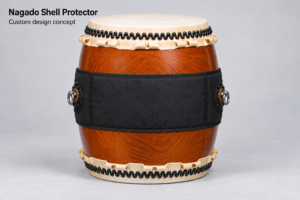
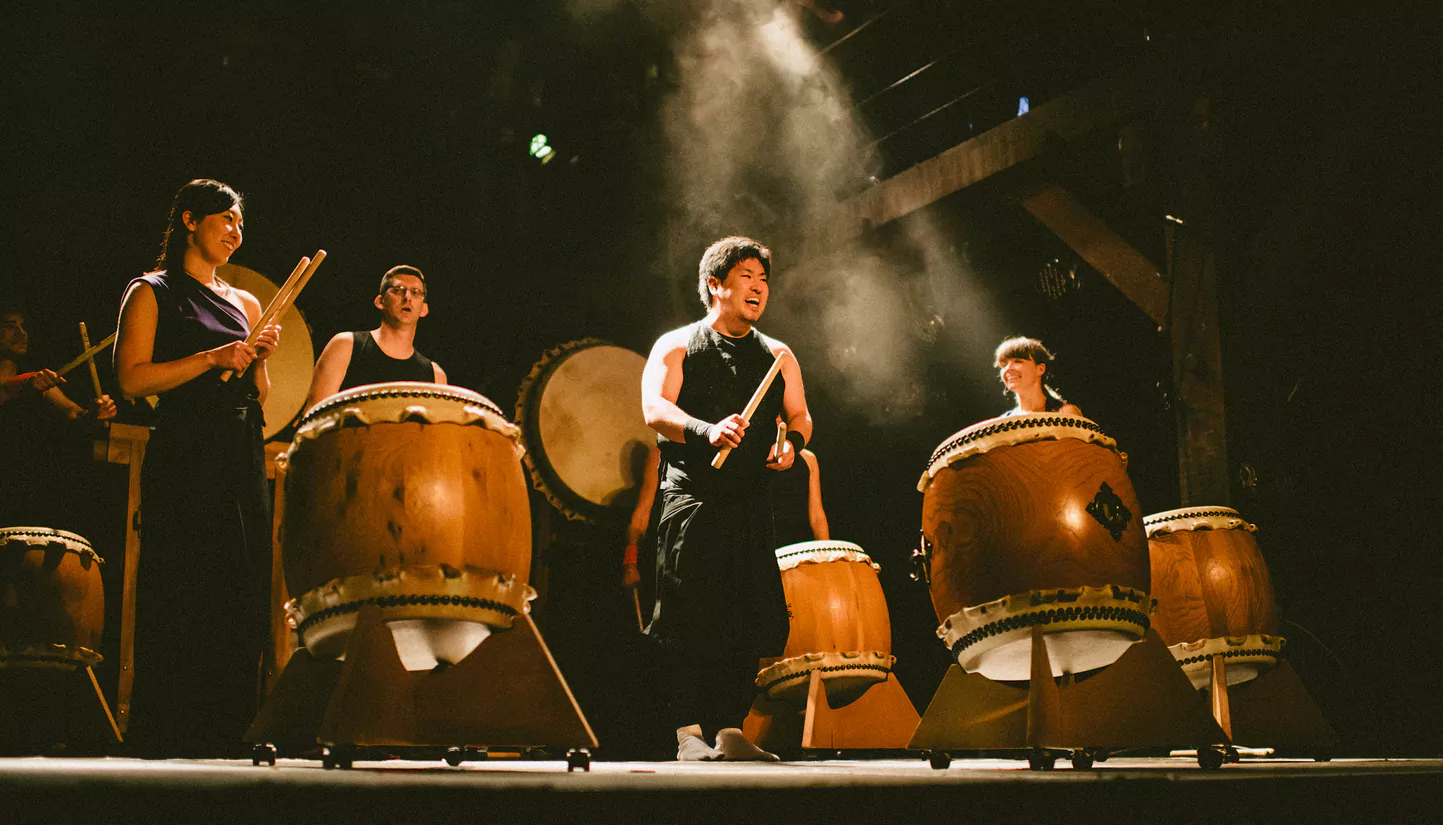
- Nagado daiko: typically permanently tacked and commonly played on a stand. Size strongly affects weight, handling, and room impact.
- Shime daiko: a smaller, higher-pitched, tensioned drum. Its ensemble role and required tension vary by teacher and repertoire.
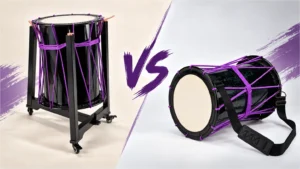
- Oke daiko: stave-built and tensioned; often more portable than a comparable hollowed-body drum.
- Katsugi oke daiko: configured for shoulder-carried playing and requiring suitable straps, fitting, movement instruction, and clear space.
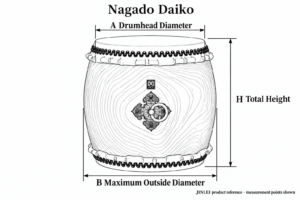
Do not buy a drum simply because it is described as “for beginners.” Request actual dimensions, weight, stand height, packed size, maintenance needs, and replacement-part availability. Confirm that every drum-and-stand combination is stable for the intended playing position.
Accessories and Consumables
- Teacher-approved bachi in clearly labeled sizes
- Stable, compatible stands and any required fasteners
- Cases or covers based on how often equipment moves
- Floor protection where needed and permitted
- Hearing protection selected under the venue’s safety policy
- Inventory labels, inspection log, maintenance tools, and approved spare parts

7. Build a Complete Budget
The purchase price is only one line. A realistic first-year budget may include:
- Instructor planning, teaching, travel, and substitute cover
- Safeguarding checks, insurance, permits, and staff training
- Room hire, acoustic assessment, storage, and loading support
- Drums, stands, bachi, pads, straps, covers, cases, and spares
- Freight, customs brokerage, import duty, tax, local delivery, and unpacking
- Maintenance, replacement consumables, repairs, and annual inspection
- Accessibility support, interpretation, marketing, registration, and evaluation
Keep a contingency for damage, price changes, and extra delivery or customs costs. For grants or sponsorships, distinguish one-time capital purchases from recurring operating expenses.
8. Purchase in Phases
A pilot reduces risk. Consider borrowing or renting equipment for an instructor-led trial, then use attendance, participant feedback, room performance, setup time, and staff workload to refine the specification.
- Pilot: validate audience, instructor, venue, schedule, and access requirements.
- Core purchase: buy only what supports the confirmed teaching model.
- Expansion: add instruments after participation, repertoire, storage, and staffing justify them.
Rotating stations can increase capacity, but only when the instructor designs them and adequate supervision is available. Do not use rotation as a blanket formula to justify too few safe playing stations.
9. Plan Storage, Transport, and Maintenance
Store drums in a clean, secure environment away from uncontrolled heat, moisture, direct sunlight, pests, and impact risks. Follow the maker’s care instructions for the specific materials and tensioning system. Do not place heavy equipment overhead or block exits.
Record each item’s model, dimensions, weight, serial or asset number, purchase date, condition, stand, case, and responsible person. Inspect equipment before and after use. Define who may tune, repair, lift, or transport each item; some tasks should be limited to trained staff or the instructor.
10. Evaluate the Program
Success is broader than attendance. Review participation and retention, accessibility requests met, instructor and participant feedback, incident reports, equipment condition, setup time, community partnerships, and progress toward the cultural and educational goals in the original brief.
Collect only the personal data you actually need, explain how it will be used, and follow applicable privacy and consent requirements—especially for children, photography, and video.
Pre-Purchase Checklist
- Program brief and cultural learning goals approved
- Qualified instructor involved in design and specification
- Venue, sound, access, storage, and loading route measured
- Risk assessment, safeguarding, insurance, and emergency plan reviewed
- Teaching model and participant capacity confirmed
- Itemized equipment specification with dimensions and weights
- First-year operating budget and responsible cost centers identified
- Freight, tax, duty, customs, delivery, warranty, and damage procedure confirmed in writing
- Inventory, inspection, maintenance, and replacement plan assigned
- Pilot and evaluation dates scheduled
Frequently Asked Questions
How many drums do we need?
There is no safe universal ratio. The answer depends on the instructor’s lesson design, participant capacity, ages and access needs, room layout, supervision, repertoire, and whether pads or rotating stations are used. Ask the instructor to produce a station plan before purchasing.
Which drum should we buy first?
Start with the drum required by the instructor’s curriculum, not a generic “first drum.” If the program is still untested, a pilot using borrowed or rented equipment may be the better first investment.
Can children and adults share equipment?
Sometimes, but only after checking drum height, stand stability, bachi, reach, movement, supervision, and the needs of each group. A mixed-age program may require adjustable or separate stations.
Does every drum need a stand?
Every playing station needs a stable setup appropriate to that drum and technique. Whether stands can be shared between activities is a lesson-planning and scheduling decision; no participant should play from an improvised or unstable support.
How early should we order?
Ask for a written production and shipping schedule tied to the exact models, quantity, customization, destination, and delivery method. Add time for approvals, customs clearance, local delivery, inspection, and a rehearsal before the public launch.
What information should a quotation include?
Request itemized model names, dimensions, unit and packed weights, included accessories, stands, bachi, cases, spares, customization, production lead time, shipping terms, duties and taxes, delivery point, warranty, damage claims, payment schedule, and quotation validity.
Requesting an Institutional Equipment Plan
When contacting JINLEI MUSIC, send your country and delivery postcode, program brief, instructor’s specification, participant capacity, room and storage measurements, preferred delivery date, and budget range. We can then prepare an itemized proposal without assuming a fixed kit.
Review our shipping policy and contact us early if your organization has a fixed opening, festival, or grant deadline.