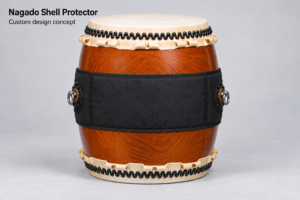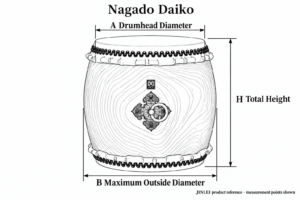
Have you ever woken up feeling like this? Before this night, you had a great taiko practice. The energy and the sound felt amazing. But the next morning, your wrists feel stiff and your lower back hurts. Many beginners post photos of their blisters online, calling them “badges of honor.”
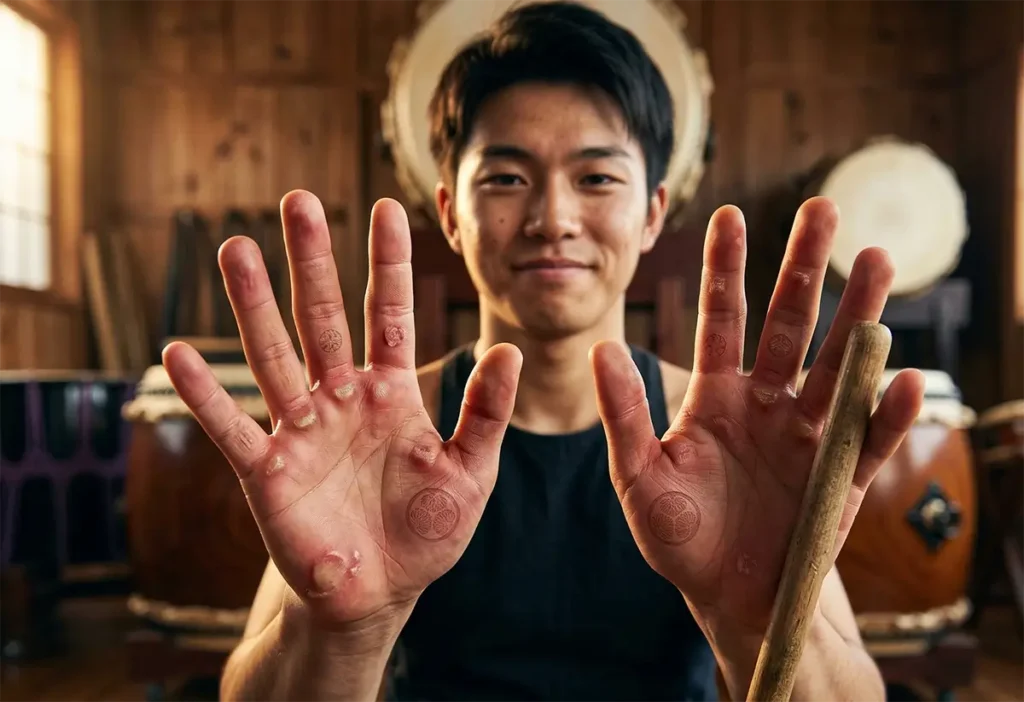
But here’s the truth. Pain is not a badge of honor. It’s a warning sign.Taiko is an art combining music and sport. Getting injured while playing is not normal. It means something is wrong, such as the technique, setup and even how you’re protecting yourself.
Let’s talk about how to play safely, so that you can keep drumming for years.
Where does the pain come from?
1. Blisters
Blisters happen when you grip the bachi too tightly or your hands get sweaty. The stick rubs against your skin thousands of times, and then the skin layers separate.
2. Wrist Pain
The taiko power comes from your back and your core strength, not just your arms. If your wrists are stiff and take all the impact, they will hurt.
3. Back Pain
A drum that’s too high or too low forces your spine into a bad position. The bad posture will cause your back hurt.
How to protect your hands
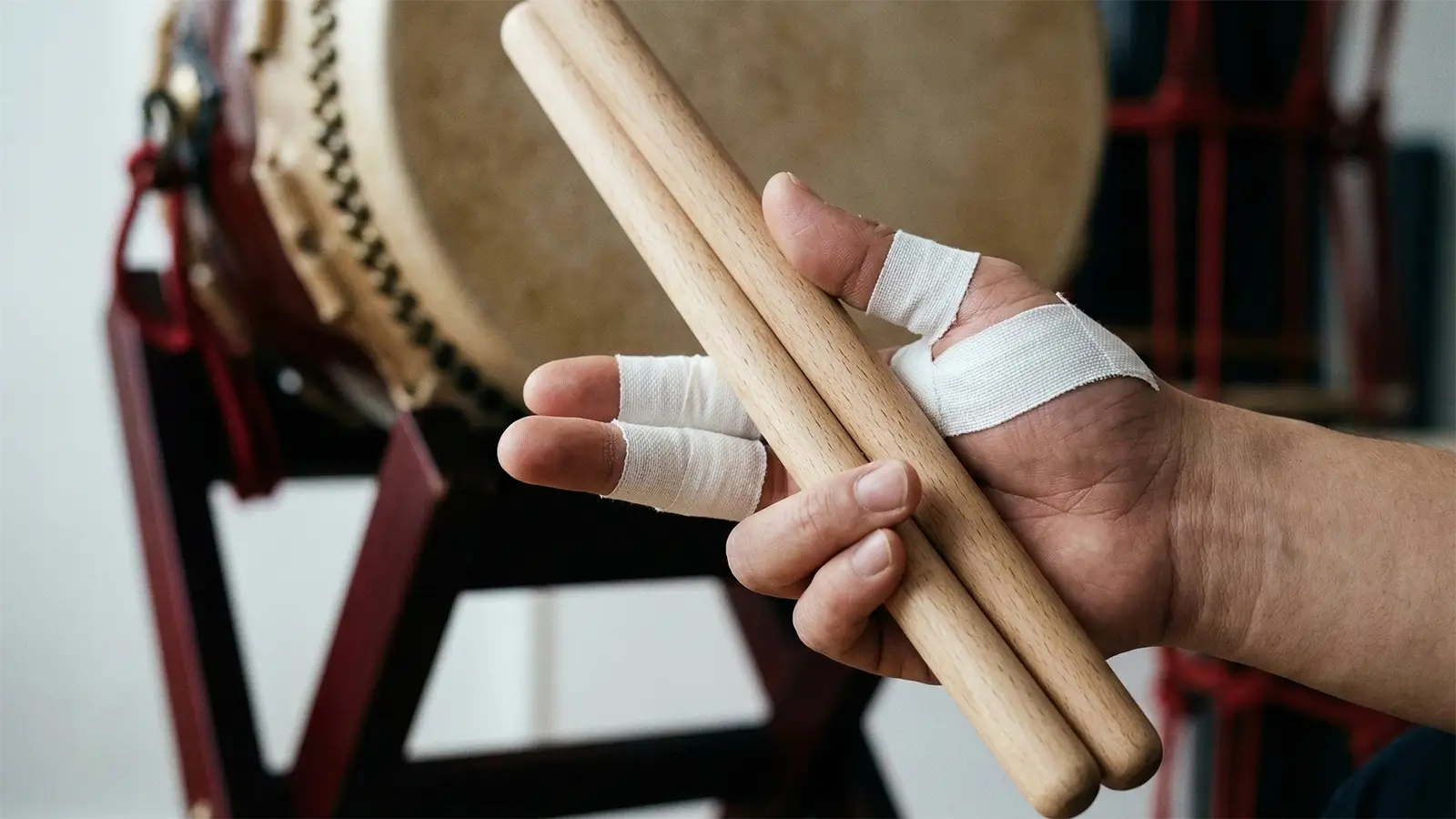
Since you can’t avoid friction completely, the smart move is to protect your skin before it gets hurt.Using tape is a good way to prevent your hands.
Firstly, we need to choose the right tape. We do not use regular plastic bandages . They are not breathable, slipping easily. We can choose white athletic tape. They will move with your fingers.
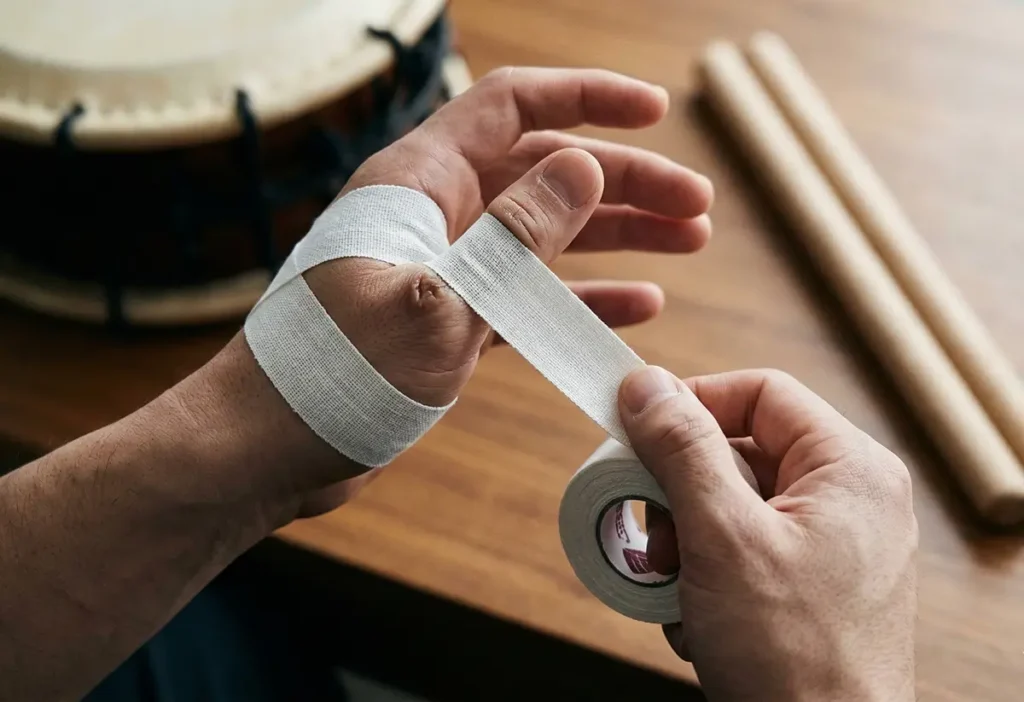
In addition to, before taping, we should focus on three spots: below the index finger, inside the thumb and below the little finger.
We also need to know three steps before using them. It begins with cleaning. Washing and drying your hands well is essential. And then, you should look for the area that gets red or sore when you play.Finally, we cut a piece of tape about 10 centimeters long. Please be careful that you don’t wrap tight around your whole finger because it can stop blood flowing.
Warm up
Many people will treat taiko drum as a simple music. However, it is a real workout. The players can not begin playing fast rhythms on cold muscles. Warming up becomes very necessary, which can protect your body and help you play better. There is a recommended 5-minute routine to warm up for you.
First, you can lock your fingers together and make circles for one minutes,then you should lift your shoulders up and roll them back. This helps you to open up the tight shoulders. Second, waking up your core is very important. You should stand with feet wide and twist your upper body left and right. Third, you can hold one arm out, pulling your fingers down with the other hand gently.
Final Thought
Honestly, taking care of your body is part of learning taiko. So you need to learn some methods, such as tapping properly, warming up well and holding your drumsticks gently.If you can follow these routines, you will say goodbye to blisters and sore wrists. You can enjoy playing taiko healthy and relaxed.
This article is very helpful for all of you that make your taiko journey be longer and longer.

Should I pop a blister?
To be honest, this depends on different situations. If it’s small and doesn’t hurt, we should leave it alone. The skin protects the area. Covering it with a bandage is enough. If it’s painful, you can clean a needle with alcohol, poke it and let the fluid out.
If my wrists hurt after practice. Should I use ice or heat?
In first 24 hours, you need to use ice. It reduces swelling. But after 24 hours, using heat can help your blood flow and healing.
Can I wear gloves while playing?
It is not recommended. Gloves will block the feel of the drumsticks in your hands, which causes more problems. If you are needed, you can use tape instead.
Should beginners wear wrist supports?
If you already have an injury, you can wear it. But using supports too early can make your wrists weak. Instead of wearing wrist supports, warming up properly and using good technique is more important.