The feeling of drumming alone is special. It’s where rhythm and power meet. But when a group of drummers who share the same passion stands together and their sticks hit the drums as one, the feeling is something else entirely. The power that comes from everyone playing together goes far beyond what one person can do alone. Drums are ancient instruments with deep roots. Their rich history is drawing more and more people to join in. But turning the idea of starting a drum group into a truly great stage show takes more than just the skill. It takes people to learn how to work as a team. And people’s careful attention to every detail of the performance is also very important . This guide is here to walk you through that whole process step by step.
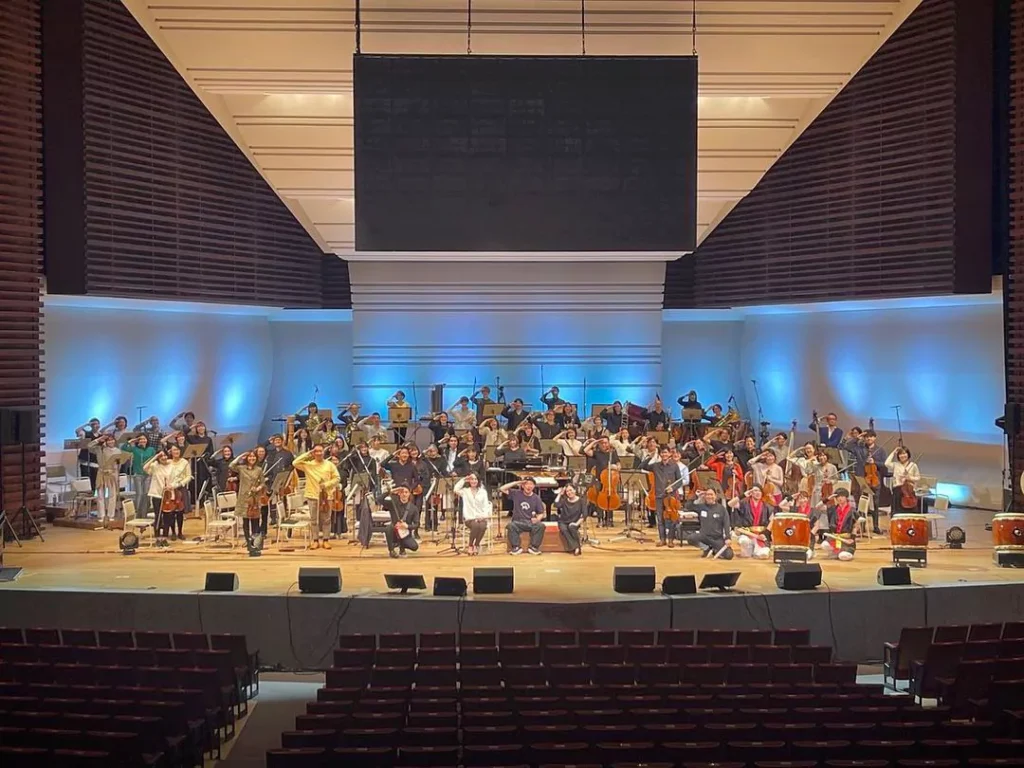
From Team Formation to Live Performance
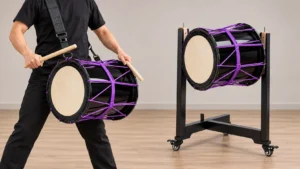
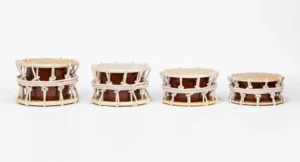
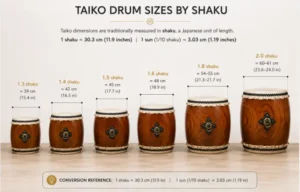
Building your team is the first real job. You need to arrange the right people in the right roles. A good team uses different drums playing different parts to create a full and rich sound. For example, the big drum has a deep and strong sound. The heartbeat is its foundation .So the person playing it needs to be powerful and keep a very steady beat. While The medium drum often carries the main rhythm, its player needs to be skilled and react quickly . The small drum has a higher sound. So it can add some exciting details and complexity to the performance. This player needs to be precise and fast. You can also add other instruments like gongs, woodblocks, tambourines or even modern electronic pads. This adds will be more colorful to your music.
A new group requires five to eight people to participate in.It’s enough to cover the main parts and small enough to communicate easily. If you have fewer people, one person might need to move between different drums during a song and handle other jobs. A Music Leader decides the overall sound and style of your pieces and the Rehearsal Leader runs practices and makes sure everyone is in sync. In addition to, a Communications Person promotes the group and talks to venues or partners. Knowing who is responsible for what helps the group run smoothly and avoids confusion.
Team spirit comes from loving the music together, but also from the little things you do everyday. Setting a regular rehearsal schedule early on, like twice a week for a couple of hours, is necessary. On the other hand,practicing more also helps to make some simple group rules together. Finally, there are still some details, such as staying focused during practice, communicating kindly and taking care of the drums. These small habits build a strong foundation for your team.
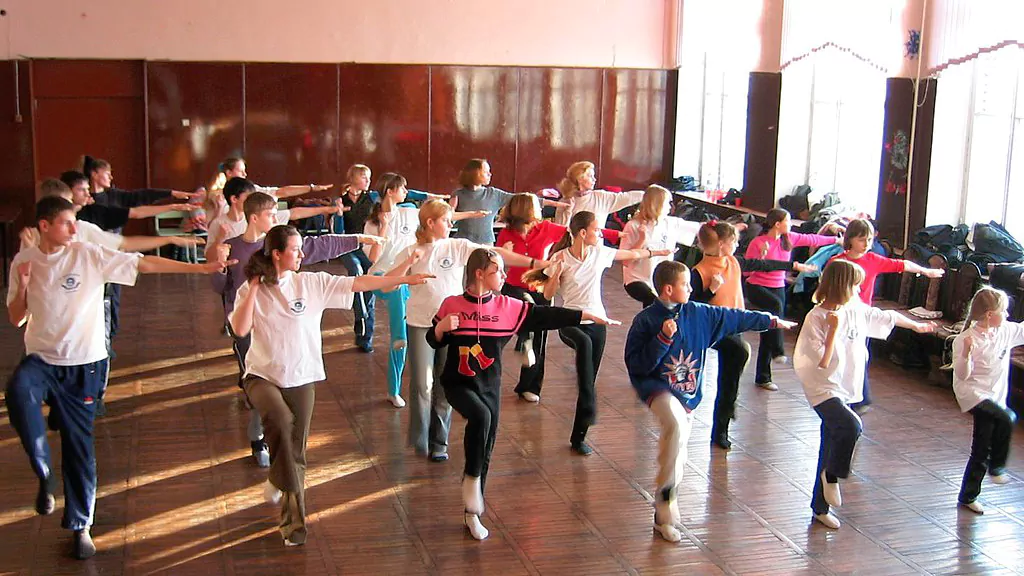
Once your team is formed, the real work begins with smart and focused practice. The biggest challenge in a group drumming is playing as one single unit. So your first goal in practice is to get the timing perfectly together. People always need to use a metronome. It’s especially important for tricky parts. Sometimes they will pick one person, like a medium drummer, to be the anchor, so that everyone else listens to them to stay on beat. The drummers often break hard parts down and practice them painfully slow until your muscles remember. Try playing with your eyes closed. This takes away visual distractions and forces you to listen closely to each other. These tricks help turn everyone’s individual sense of rhythm into one group pulse.
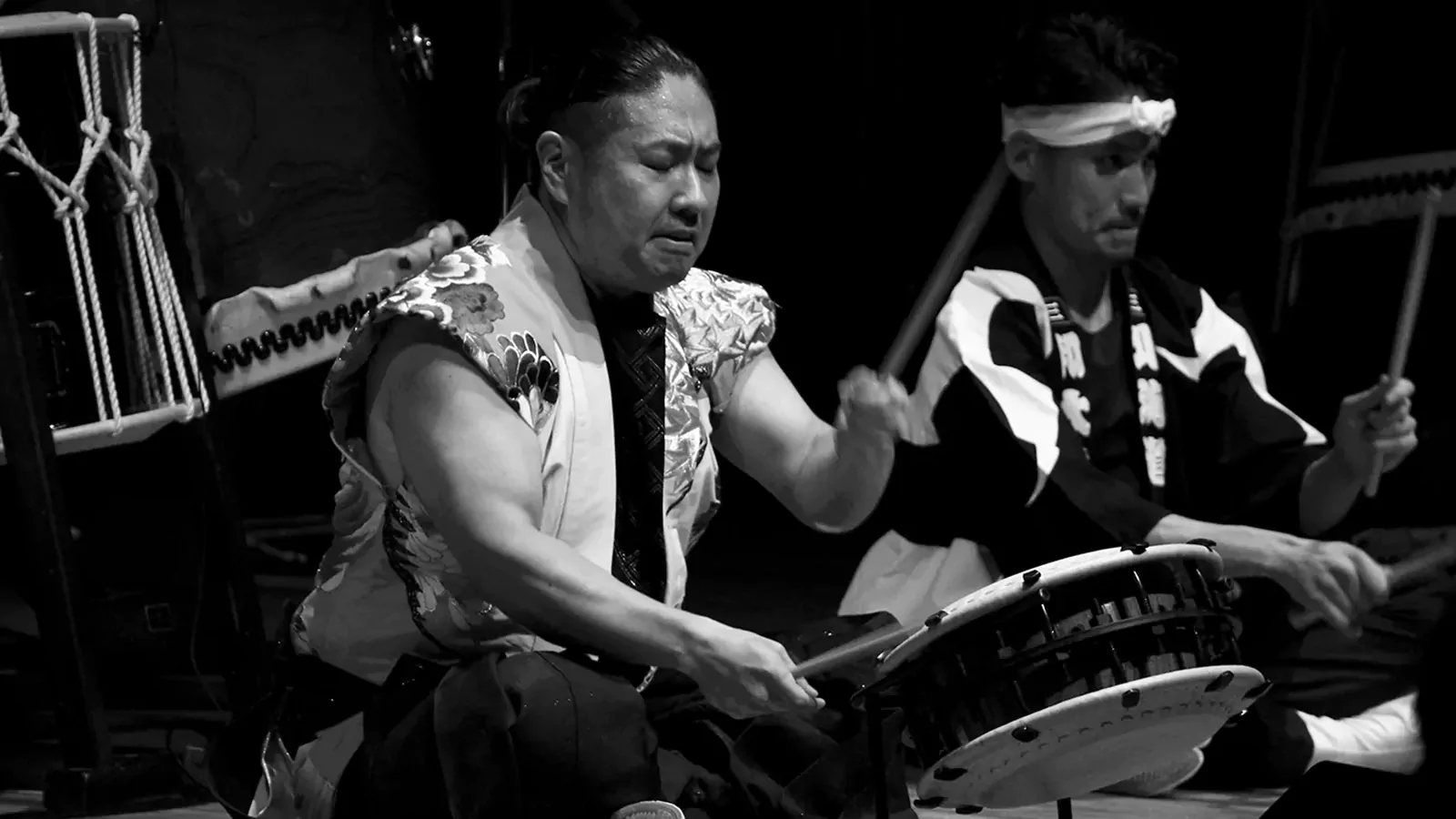
Half the magic of a drum show is the sound. The other half is the movement—the powerful, beautiful way you use your bodies. Sticks should lift to the same height. Turns should be sharp and at the same angle. Steps should be in time with each other. This visual power is what grabs the audience. To achieve it, create a simple set of standard movements for your team. Record your practices and watch them back to fix every small detail. Even doing some basic stance exercises, like ones from martial arts, can help everyone control their bodies better.
The movements should look powerful, but also controlled. Don’t just play songs from start to finish over and over. Set clear goals for each practice period. You might spend the first two weeks getting everyone to master the basic rhythms. The next two weeks could be about putting a simple song together, focusing on keeping a steady beat. Then spend a month adding movement and formations. In the last two weeks before a show, you must do full rehearsals with costumes, lights, and practice walking on and off stage.
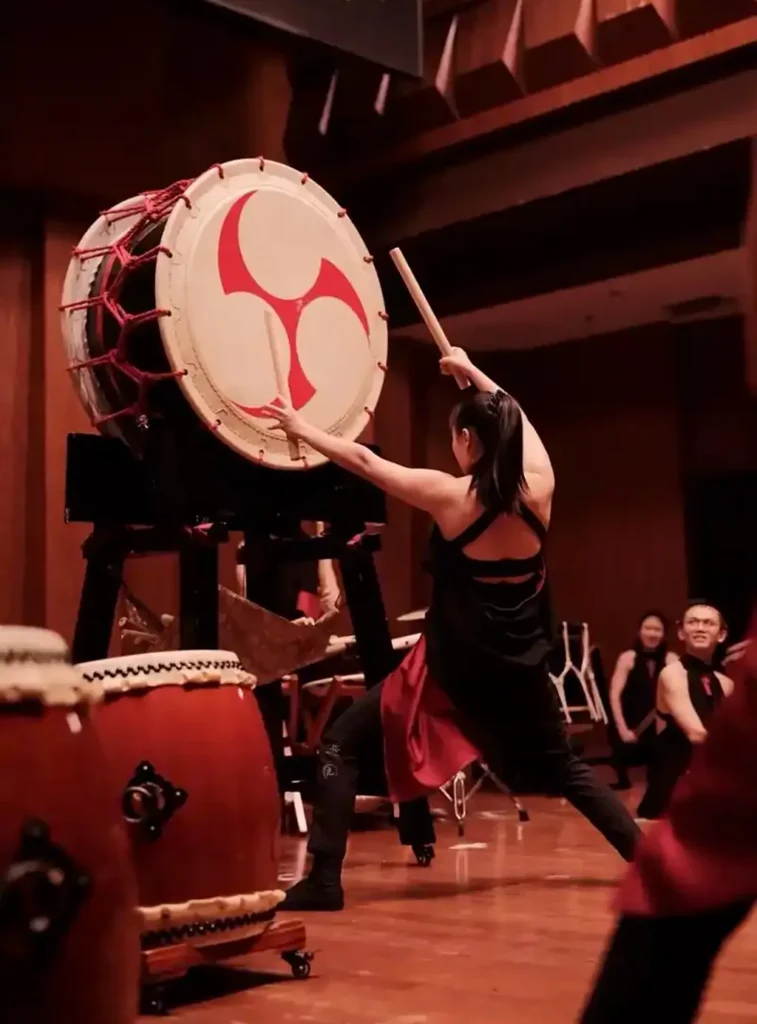
After all that hard work, it’s the time to perform. Good preparation is everything. Let’s start with sound. When drums are played in a big hall, outdoors or with other instruments, you’ll need microphones and speakers. They help the performance cut down background noise and help balance the volume of each later. Having monitor speakers on stage facing you is also helpful, you can hear each other and stay together in this way .On the other hand, matching clothes makes your team look strong and professional. They can also tell a story or show your style. If you want to use special effects like flags or smoke, always check with the venue first to make sure it’s safe. Finally, you always need to think about your audience. You can make the show more fun by getting them to clap along at the end. Put up a clear safety line near the stage so that no one gets too close. Drum shows can be very loud, so it’s a nice gesture to offer earplugs to people who might want them, especially kids or elderly people. You could also have a quieter area at the back. This kind of care shows your team is thoughtful and professional.
When you finally stand together under the bright lights, raise your sticks as the crowd , the world seems to stop. May everyone who walks this path not only play powerful rhythms but also write the unique song of their own team. The road ahead won’t be easy. Starting is hard, but sticking with it is even more precious. As long as the drumbeat doesn’t stop, your team will always be moving forward together.