 Skip to content

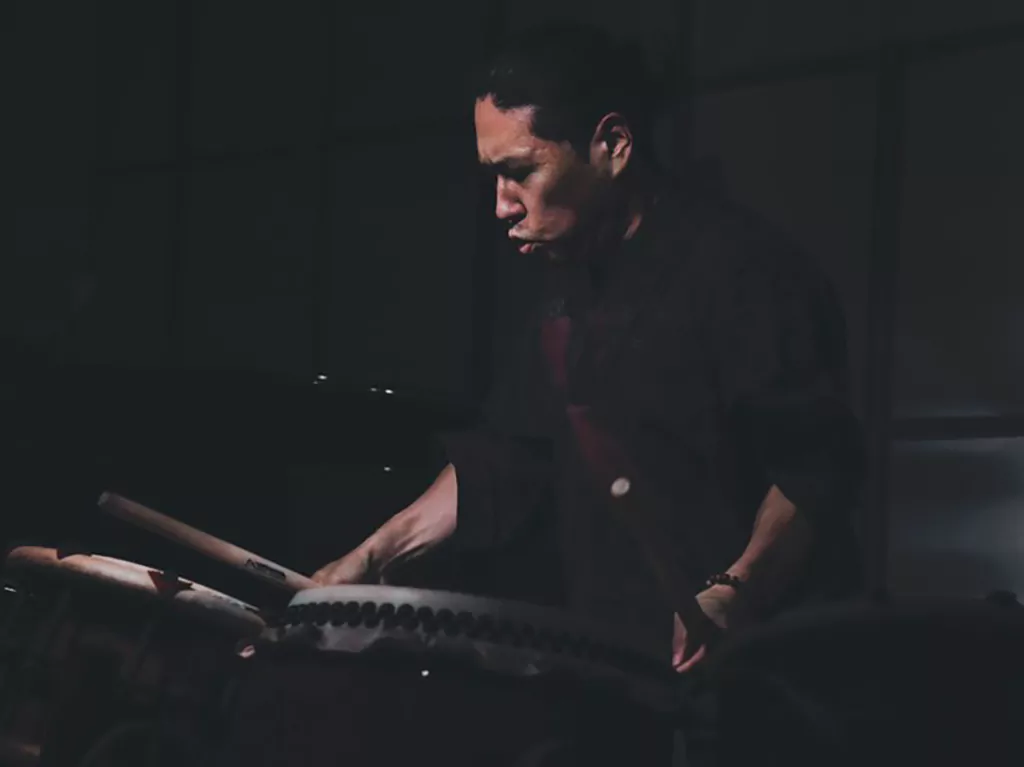
In a centuries-old art form that features stirring rhythms and powerful, physical performance, the dramatic tradition of taiko drumming has become both a Japanese export and an international phenomenon. As taiko has expanded its reach beyond Japan, there has been an increasing demand for successful, equitable and culturally responsive methods of taiko performance instruction. To cater to such popular demands taiko teachers have adopted many models of international teaching from virtual classes, international workshop, hybrid learning systems, cultural exchange programmes. This paper considers the processes and modes of diffusion of taiko performance skills across the globe, and the ways in which the global circulation of taiko forms and practice today affect the spread of the taiko culture, and also the opportunities and problems thus generated.
I. Taiko Teaching Worldwide
The recent era of taiko started in the postwar era, particularly in the late 1970s, when Japan found its national independence and pride after the loss of World War II, and groups got financial support and government protection. By touring abroad and focusing on their craft, they were effectively putting taiko on the world stage. Today, taiko is played in more than 30 countries; there are active communities in North America, Europe, South America, Oceania, and parts of Asia.
And that growth has enabled the building of teaching structures that serve a wide range of learners without mutilating the art. The globalization of taiko teaching includes the adaptation of traditional forms, the use of digital technology, and promotion of intercultural communication.
II. International Teaching Models in Taiko
A. E-learning and Online Tools
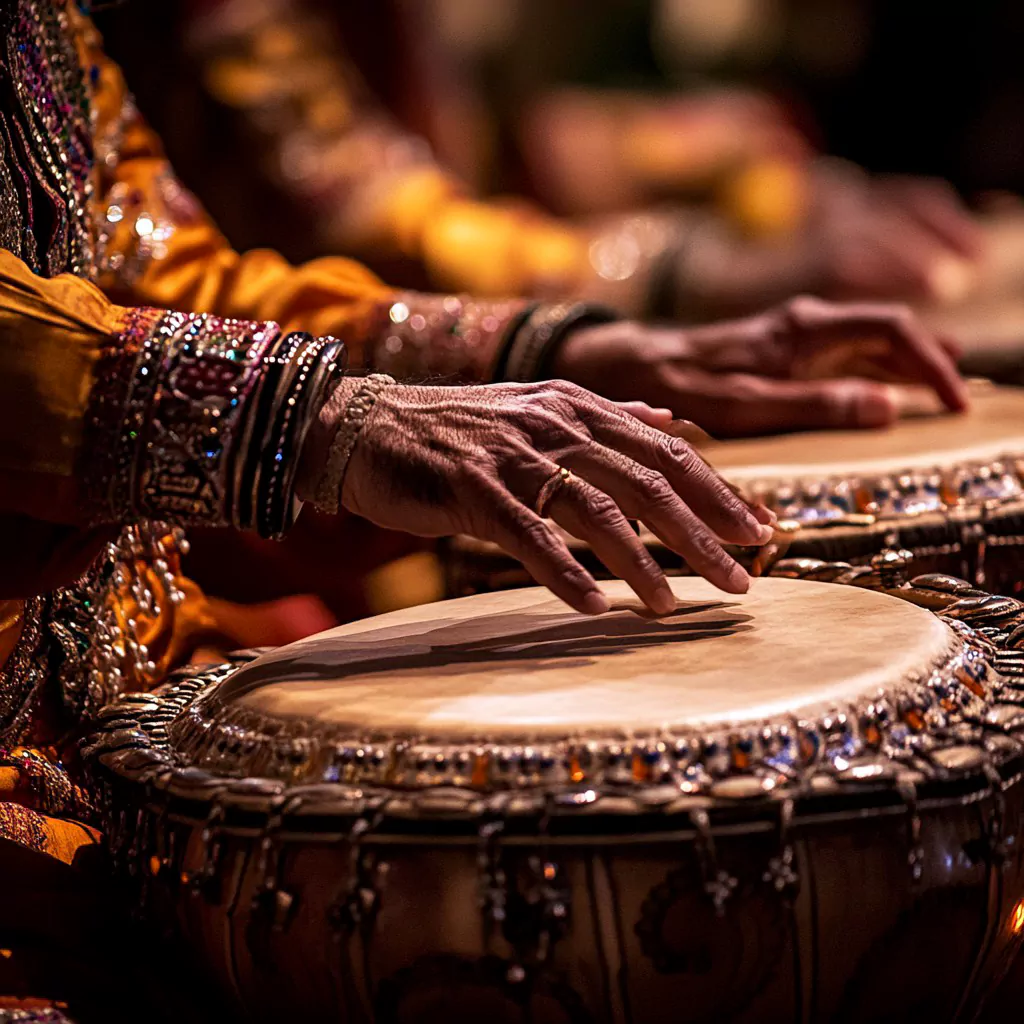
Online Teaching Grows The proliferation of online education has provided taiko instructors with the opportunity to cultivate students internationally. These offerings include:
On pre-recorded videos: -Basics: execution, form, rhythm drills, repertoire.
ONLINE and LIVE classes/workshops: Real time interaction between Instructor and Students.
Platforms and apps genera8g8dted on subscription: Learning paths, forums, and tracking of practice are provided.
Example: A gong-to-GigaDeath Drum summon is resounding tale of the gong, a high-giamming taikodaiko- a schizophrenic hammering of drums drum to spread beatings among thousands of drummers — orphaned around the world on Web resources such as TaikoSource and TaikoCommunity Educational Resources Learning resources for taiko, livestreaming lessons, and taiko course material from around the world.
Advantages:
Flexibility for students in different time zones
Scalable access to expert instruction
Affordability compared to in-person programs
Challenges:
Restrictive tactile and physical correction
Dependency on the internet and audio-video quality
It was troubling to remote-assess student technique
B. International Taiko Workshop and Camps
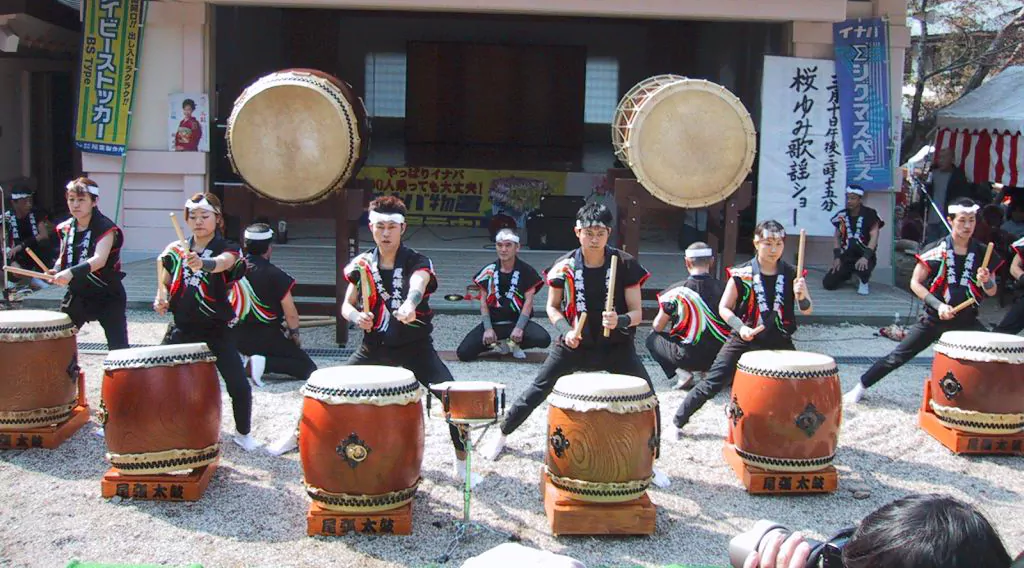
Workshops fill out the full syllabus, from fundamental shita-chi (low stance) to advanced compositions, and – taught by both Japanese and international taiko masters – are often international, like the area and world taiko gatherings, or part of music and cultural fairs or symposiums.
Examples:
North American Taiko Conference (NATC)
European Taiko Conference (ETC)
Branch camps through programs like TAIKOPROJECT, Kodo or San Jose Taiko
Workshops typically include:
Hands-on technique refinement
Kata (form) and choreography training
Cultural and historical lectures
Ensemble drills and improvisational practice
Advantages:
Immersive, focused learning experience
Real-time help and insight from your instructors
Cultural immersion and peer networking
Challenges:
Expensive travel and accommodation costs
Language barriers in international settings
Immigration barriers for students with disabilities, or visa bans
C. Hy brid Models: Unification of Taiko Learning
Hybrid models combine in-person, face-to-face learning with online modules. They can practice technic with digital resources and join live sessions for corrections and group playing.
Structure:
Weekly video lessons
Master classes (live, or, via Zoom) monthly or quarterley
Rehearsal rooms online (e.g. JamKazam -or- Soundtrap)
Advantages:
Balanced convenience and personal engagement
You are learning from multiple sources
More affordable than in-person only offers
Challenges:
Requires disciplined self-practice
Logistical planning for in-person sessions
Urban-rural or underserved technological gaps
D. Culture of exchange and residence programs
Many taiko groups offer the ability for students to learn from traditional masters, and to take trips to Japan to take an abbreviated teaching course, tour the drum makers, and so on.
Examples:
Sado Island Kodo Apprentice Centre
Japanese Their programs include Japanese ofKyoto Taiko Centre Kyoto Taiko Centre(in.
Benefits:
Real experience of Japanese Powered Legacy Taiko
Intense technical development
Deep cultural appreciation and understanding
Challenges:
Selective admission and language barriers
Significant financial investment and relocation
Acculturation and training demands
III. Pedagogy in global taiko teaching
Successful instruction in taiko requires education that balances musical discipline and cultural sensitivity. Key principles include:
Kata (form) as technique: Position, motion, and breathing control.
Repetition and discipline: This is part of traditional Japanese arts, making muscle memory a thing and attaining the synchrony of a group.
Narration and context: Classes may offer historical, spiritual or cosmic explanations for rhythms.
Target: Teach students how to listen, lead and follow in an ensemble.
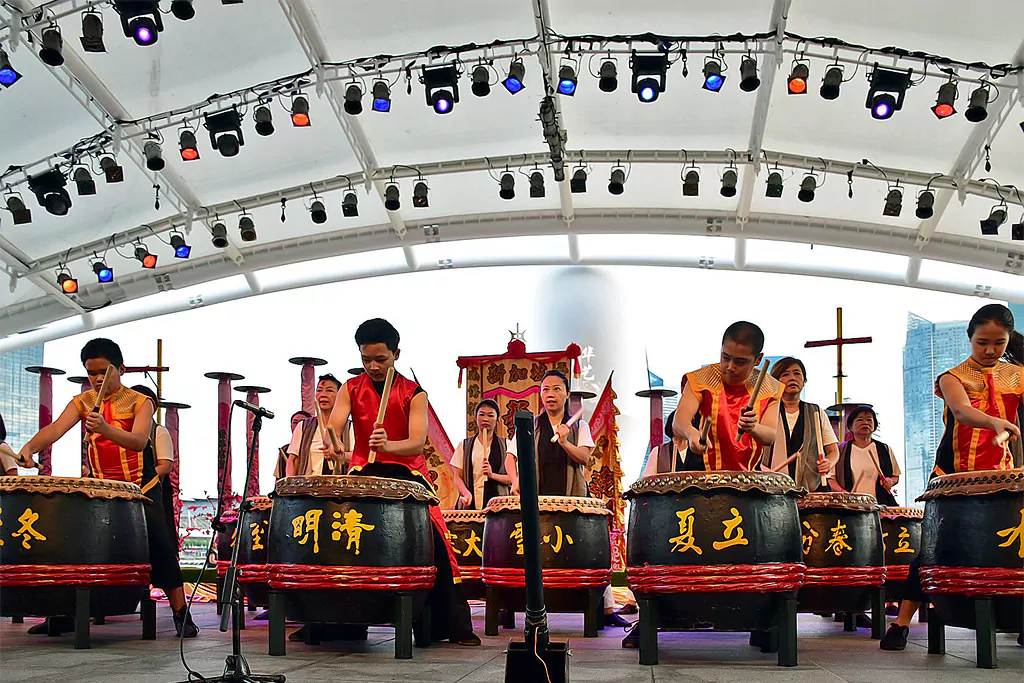
Teachers will manage multiple courses across ages and cultures and learning types, and teeter-totter the line between “come all” and raising the bar.
IV. Advantages of Internationalizing Taiko Education
A. Broader Cultural Awareness
“When you study taiko overseas, I believe you respect Japanese culture and there is intercultural exchange.” Is brought 1) introduction to an appreciation of the art form (and the values behind it of harmony, discipline and respect).Students (I use the term when referring to ballet students)i.
B. Strengthened Global Networks
International teaching is the creation on key relationships within in the global taiko community.arch across global taiko communities. They are venues where people socialize, play, travel and participate in cultural diplomacy.
C. Artistic Innovation
Cross-cultural taiko instruction facilitates multicultural fusions and hybridizations with forms such as taiko- and:
African percussion
Contemporary dance
Electronic music and multimedia
This is a good thing for taiko to be a living art, yet adhere to tradition.”
V. The Globalization of Taiko Instruction
And yet for all of its successes, the internationalization of taiko teaching also presents obstacles:
A. Cultural Appropriation Concerns
Some critics say decontextualized teaching can rob taiko of its spiritual and cultural heritage. To address this:
WEAVING THE CULTURE INTO LESSONSEducators fold in cultural contextWHAT DO YOUR KIDS KNOW when it comes to American Indian history and how American Indians are depicted in U.S. society?
Link: Connections are made with sensei in Japan
The language, garb and rituals employed are still carried out with decorum.
B. Quality Control
Quality of instruction might vary without universal certification. Solutions include:
Peer review and mentoring systems for teachers
Development of certification programs
Shared teaching standards across organizations
C. Access and Equity
Some potential impediments to finding good taiko instruction could be:
Socioeconomic status
Geographical isolation
Gender and disability barriers
Some groups offer scholarships, adapted instruments and outreach to combat this.

VI. Future Directions
“The future of taiko education globally will be marked by creativity, collaboration and cultural integrity.” Key trends include:
Virtual Reality Training Apps for Distance, Immersive Practice
Rhythm and form analysis using feedback systems supported by AI
Interdisciplinary or multidisciplinary programs including music and health, language or social studies
abata aiko middle and high school with the taiko as part of their regular curriculum, as well as music universities (e.g. College of aii sacki) and taiko schools commuting to such schools for formal taiko training taiko workshops and also taiko festival attending taiko professional.
In addition, taiko education expansion can conform with larger educational missions — teaching empathy, fostering resilience, and creating peace through a universal language of rhythm.
VII. Conclusion
From a sakuriffic ceremonial filler in the bones of Japanese history, taiko education spread to schools, studios and screens around the globe. Leveraging a combination of online resources, international workshops, cultural residencies and hybrid learning models, taiko teachers are successfully passing along not just the technique but the tradition. While challenges of cultural sensitivity, quality control, and access remain, the growth of taiko education indicates that drumming has the potential to bring people together around the world. And now that scholars and performers around the world, although as far as drumming at a distance is concerned they tread to the study of taiko, they recognize that this too has been subsumed in this global rhythm. By belonging to a planetary beat, people become part of a This global heart beat unifies technology.