For centuries, taiko the ancient Japanese art of drumming has been the sound of power, of rhythm, of something left both explicit and undefined. Based in Shinto rites, Buddhist temples, and militaristic, feudal-indifferent signals on the battlefield, taiko has reached beyond the centuries to become a world-renowned vehicle of both musical expression and cultural identity. In an age where the digital world quickly embraces us, traditional art forms, such as taiko, are more and more looking to the balance of legacy and progression – How to keep a culture alive and exciting. This article explores the future of taiko art by considering new technology that will help save, propagate, and reinterpret taiko traditions into the next generation.
I. Tradition and Transformation: A Thumbnail Sketch
Before we can anticipate the future of taiko, it is important that we know the history of it. Traditionally, in addition to being a part of religious observances, agricultural festivals, and community events, taiko was a form of martial communication and it was sometimes used as a military instrument to motivate soldiers, to help set a marching pace, and to call out orders or announcements.
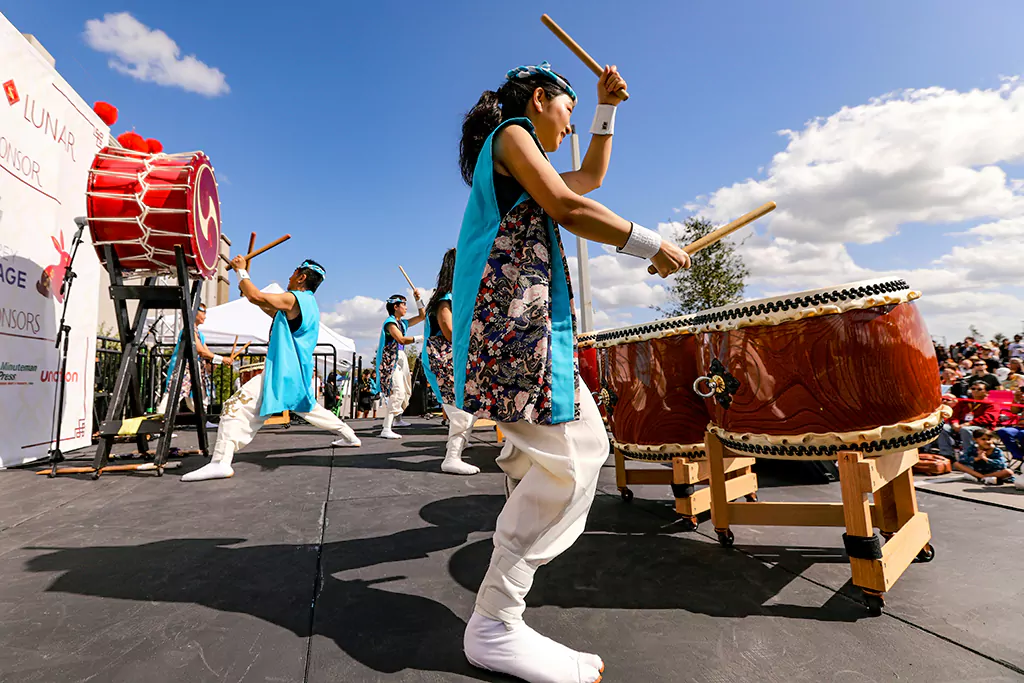
The 20th century was a turning point when groups like Ondekoza and Kodo brought taiko to the stage, bringing along choreography, thematic storytelling and concert programming. Nowadays, orchestras from across the world breathe new life into ancient beats while flirting with modern looks.
This ever changing path clears the way for one to imagine that taiko and its traditions are possible to co-habitat and benefit from technological ingenuity in the future.
II. Digital Preservation of Taiko Heritage
Preserve is a very urgent question for the traditional arts. A great deal of historical taiko pieces and stories as well as how to play them are passed down by word of mouth or along with a student. Technology also provides for new ways to record, preserve and share such details.
A. Digital Archiving
There are a few preservation efforts for taiko in a digital format:
There are high definition videos of performances along with interviews with master drummers.
Online identifications of traditional rhythm (jiuchi, composition (kata, and regional styles.
Digitalized materials of manuscript, photograp and folklore related to the history of taiko.
The Japanese Traditional Performing Arts Foundation, as well as international taiko ensembles, are working together to consolidate accessibility to archives in an effort to maintain cultural longevity.
B. Virtual Museums and 3D Scans
Ease of access may include the use of technological tools such as 3D scanning and virtual reality (VR) to:PROMOTE.
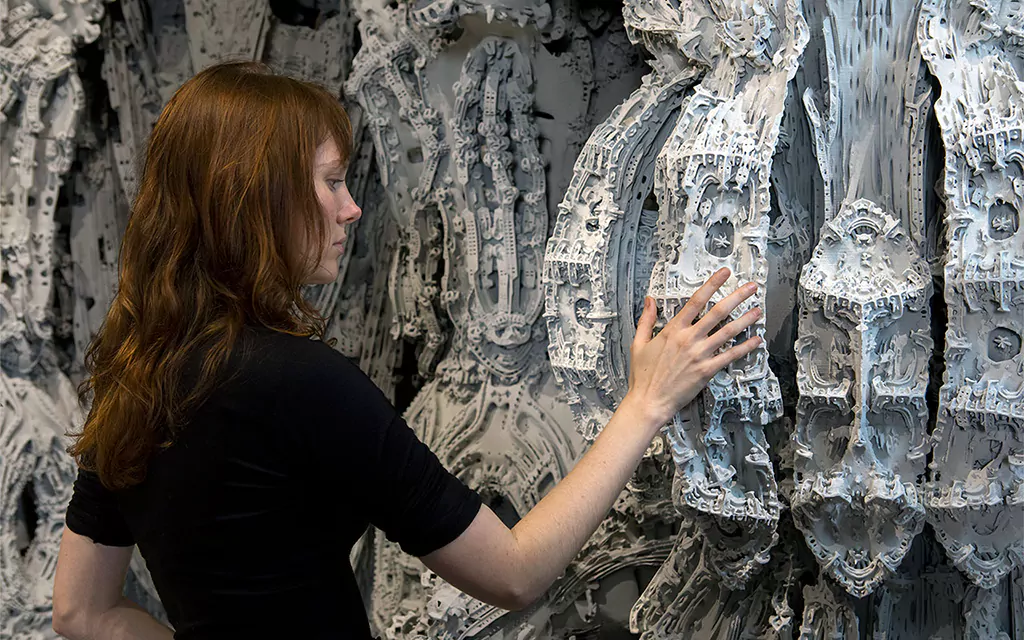
Creation of immersive museum exhibits
Stereotypical “relics” of ancient drums, costumes, and performance spaces
Interactive educational experiences, such as those that mimic fairs or schools
They enable individuals everywhere to experience taiko, regardless of where they may be.
III. Technology in Taiko Education and Training
With taiko reaching around the world, education is paramount for sustainability. Technology enables scaled, open and immersive learning opportunities.
A. Online Learning Platforms
You can now find on digital platforms like YouTube, Zoom, and accounts of dedicated taiko education websites:
Instructional videos
Live-streamed lessons and masterclasses
Recorded practice drills and feedback and assessment
Apps and subscriptions offer tools to track progress, curated curricula and instruction from tutors across the globe.
B. VR and AR
VR and AR for the next-level teaching experience:
Virtual dojo where students can practice with virtual trainers
Real-time feedback on form and rhythm with AR-enhanced drumsticks and screens
Interactive storytelling modules could also provide instruction on the history of taiko and involve multiple senses.
This model lessens the dependence on local proximity to taiko hubs and aids learners within isolated or underserved locations.
C. AI and Motion Capture and Technique Analysis

Motion-capture suits and AI-powered analytics can capture and assess taiko players’ physical movement and timing:
Identify posture problems and recommend corrective action
Analyze rhythmic accuracy and coordination
Allow comparison with master drummers
Such technologies make it easier to standardize training and give students the freedom to self-correct and grow.
IV. Innovations in Taiko Performance
Aside from education, technology is reconstructing the taiko performance space.
A. Electronic and Hybrid Drums
The concert taiko, introduced in Japan in the 1950s, is also an inspiration for the later-found electronic taiko, as the music has started to include Japanese drums.
Adjustable pitch and volume
Traditional and Colorful Sound Sampling
COMPATIBILITY WITH MIDI AND MUSIC PRODUCTION SOFTWARE
Hybrid drumming performances combine acoustic drums with electronic tracks and will attract larger audiences and new performance spaces.
B. Multimedia and Projection Mapping
Powerful taiko is given an additional visual appeal with projection mapping and synced lighting:
Real-time, drum strike-changing visuals.
Animated stories accompanying live drumming
Rhythm-based stage transformations
These bells and whistles raise the theatrical ante of taiko and play well to younger, digitally savvy audiences.
C. Cross-Genre Collaborations via Tech
Digital music technology makes the combination of taiko with the following possible:
EDM (Electronic Dance Music)
Hip-hop
Classical and orchestral compositions
Live mixing software enables the performance of taiko sounds to be manipulated in real-time to encourage improvisation and exploration.
V. Engaging the World and Cultural Relations
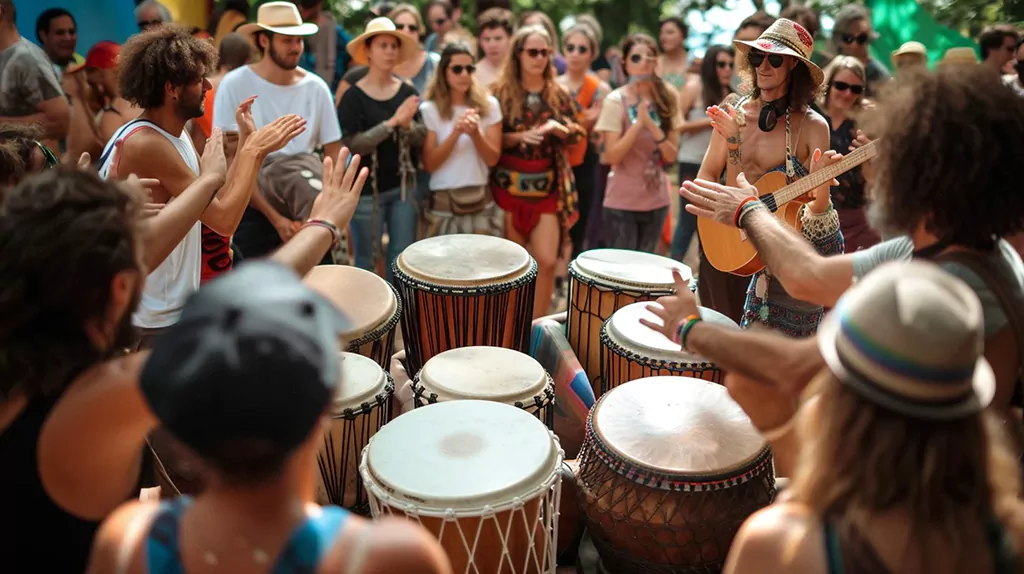
Technology unites the taiko world across continents, furthering cultural exchange and innovation.
A. Global Events / Virtual Conferences
Events such as the North American Taiko Conference and European Taiko Conference have gone virtual:
Online workshops and panel discussions
Global collaborations and digital performances
Cultural dialogues that transcend borders
With public access to PSN a broader range of participants and cross-cultural learning can be achieved.
B. Social Media and Community Formation
What platforms like Instagram, TikTok and Discord make possible:
Exchange of performance footage and practice advice
Live Q&A with experts and charter members
Support and Inspiration from the Community for the Practitioner
These virtual environments help support global taiko identity and intergenerational mentorship.
VI. Ethical Considerations and Cultural Integrity
Although technology comes with many potential benefits, it also presents ethical issues:
A. Cultural Appropriation Versus Cultural Sharing
Global promotion should not lose sense of taiko’s cultural background.
We need to include history and values in our educational content.
Cooperative efforts will want the involvement of Japanese practitioners to be more authentic.
B. Equity in Access
And high-tech instruments should not skew digital divides.
Efforts should provide subsidies, open access resources, and multilingual support.
Cultural narratives should belong to local communities.
Through infusing these values into innovation, taiko’s future can be diverse and respectful.
VII. Case studies of taiko tech integration
A. Kodo and Yamaha Collaboration
Kodo has collaborated with Yamaha to produce hybrid drums and sound systems to suit both large venues and contemporary stages. These inventions maintain the old school acoustics and improve audibility and flexibility.
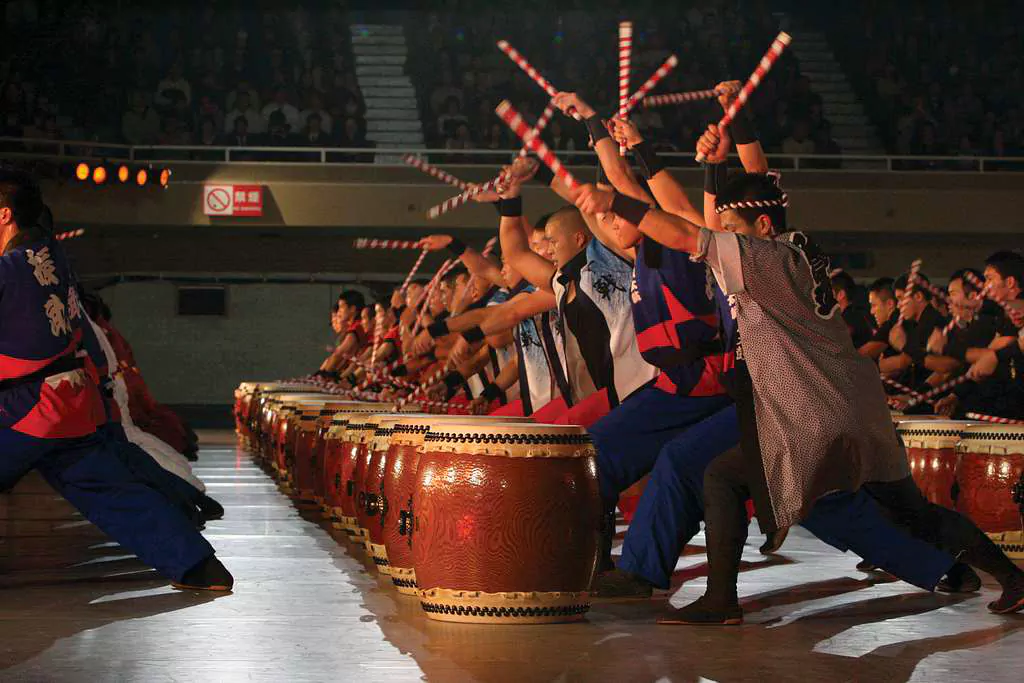
B. TAIKOPROJECT’s Digital Outreach
In Los Angeles, TAIKOPROJECT deploys live-streaming, social media and digital fund-raising to reach fans, offer virtual workshops and extend their influence during and beyond the COVID-19 pandemic.
C. Digital Humanities and Academic Scholarship
Japan, the United States and Europe have universities that are digitizing taiko archives and researching rhythmic structure, social effects and cognitive benefits, often with performers.
VIII. Looking Forward: Innovation for Sustainability
In conclusion, for a vibrant future of taiko, the community will need to:
Invest on teachers and artists who know how to use tech
Support interdisciplinary collaborations
Establish international standards for digital taiko education and performance
taiko drum production in environmetally-friendly way
Future taiko centers may include:
VR and motion capture enabled smart studios
Collaborative creation on multi-language online platforms
Online rhytmn, composition, oral history libraries
IX. Conclusion
The blending of tradition and technology in taiko is not a concession but an opportunity — a path to keep the soul of taiko alive while reaching for the tools of tomorrow. Through digitizing the archives, enriching learning, creating new types of performances, and cultivating international community, the doors to a new taiko era are opening. Applied thoughtfully and with cultural respect, technology can allow taiko’s heartbeat to be amplified, reverberating loud and clear across generations and genres and geographies. And in this convergence lies the heartbeat of the taiko of the future, a fusion of knowledge from the past and the possibilities of the future, beaten into each resonant strike of the drum.