 Skip to content

Taiko music, powerful rhythms played out with choreographed movements, is at once a Japanese cultural product and a lively community practice with international reach. In recent years, taiko has gone beyond religious utilisation in temples and at festivals and become a potent social force, promoting social cohesion, intergenerational bonding and individual/partial well-being. Based on sociological investigation, community surveys, and qualitative interviews, this article marshals an inclusive overview of taiko’s social effects. Through this framework, we consider how taiko serves as a catalyst for social bonding, cultural revitalization, and as a means of creating inclusive environments for communal engagement and intergenerational teaching and learning.
I. Understanding Taiko’s Community Function
Taiko, which had been utilized in religious ceremonies, agricultural festivals and regional celebrations since the 1800s, has historically been a tool of the community. It set the pace of village life, made spiritual communications possible, and drew people together in celebration. Today, taiko continues to serve these purposes in community settings today.
A. Community-Based Ensembles
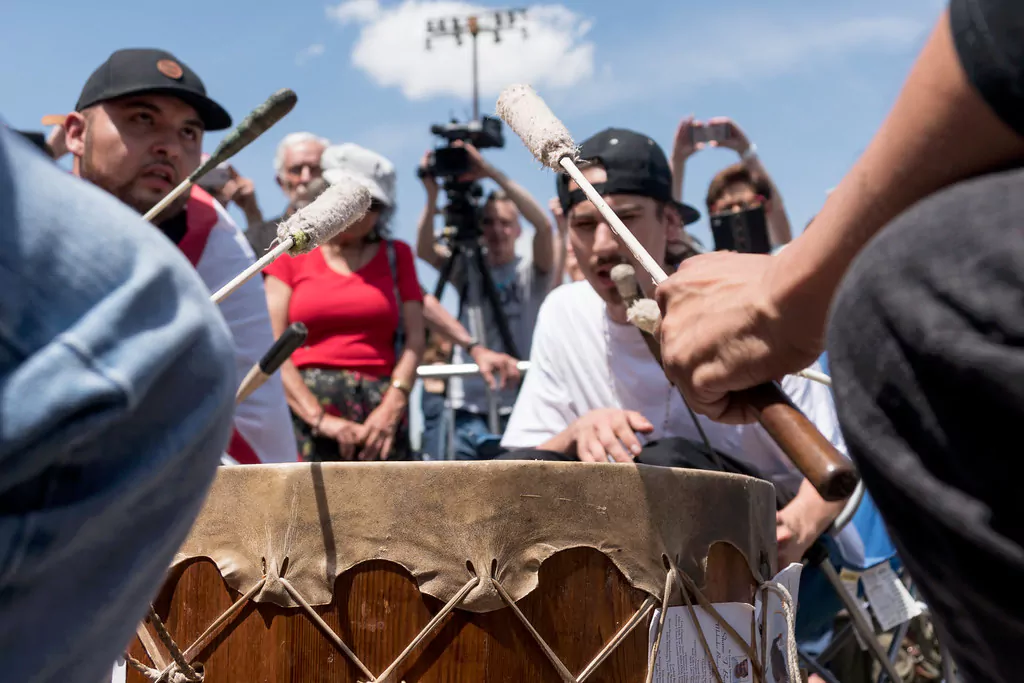
Taiko groups globally, whether in Japan cities or in constrained locations, typically operate as community organisations. They:
Foster social bonding
Create meaning and sense of shared ethic
Provide those with forums for public performance and service citizenship
An increasing number function as not-for-profit or volunteer organisations, focusing on inclusiveness, education, and culture preservation.
B. Performing as a Collective
The very nature of taiko performance fosters community. The soloist is not one individual, but every member creates a perfectly synchronized whole. This reinforces values of:
Cooperation
Mutual respect
Listening and responsiveness
These are the values that both illuminate and nourish the spirit of civic engagement and racial unity.
II. Methodology: Survey and Data Collection
To investigate the social influence of taiko, we have carried out a mixed-method research project consisting in:
250 taiko players in Japan, North America, Europe, Oceania
Pluralistic interviews with 30 taiko leaders, educators, and community organizers
Community event reports, workshop documentation, and performance programs were subjected to content analysis
III. Key Findings
A. Enhanced Community Cohesion
One of taiko’s most impressive effects is the formation and sustenance of community through its network.
83% reported that taiko made them feel more like they belonged to their local community.
Key: ~71% of group members engaged in taiko-centered volunteerism or community activities.
89 per cent of respondents said that working together in rehearsals and performances was important to build social trust.
This was achieved through reported outcomes such as:.Contributors reported that taiko helped to bridge social gaps, as they had to learn, to practice taiko.
Age (intergenerational ensembles)
Ethnicity (multicultural groups)
Language (non-verbal communication through rhythm)
B. Cultural Identity and Transmission
Taiko is crucial to the preservation, but also the transmission, of heritage, especially among diaspora.
Ninety-two percent of Japanese diaspora members who were surveyed said that taiko had helped them stay connected to their cultural roots.
Most tatami and taiko groups include some language teaching, history and cultural storytelling as part of their programs.
Obon festivals and taiko concerts are used for cultural and educational awareness.
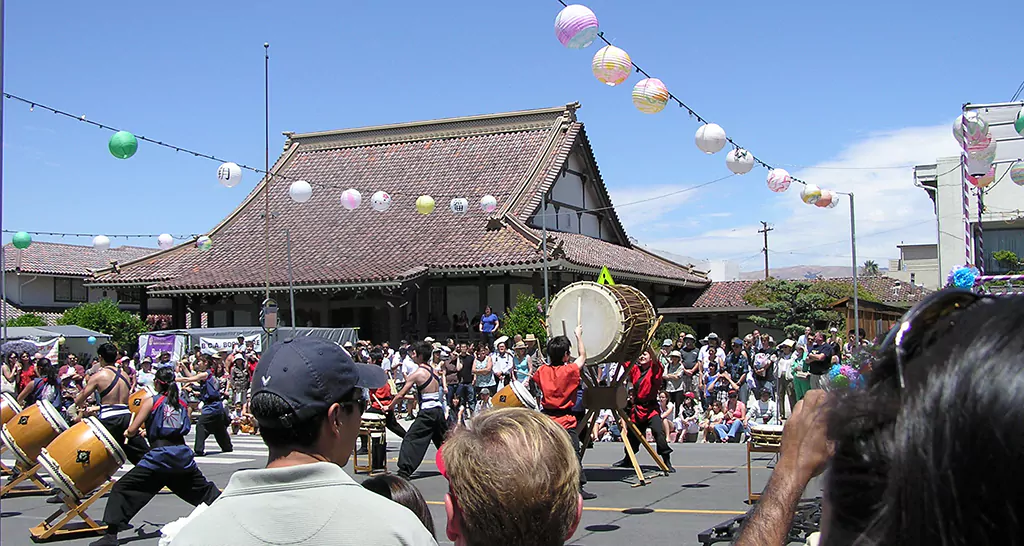
In interviews, second- and third-generation Japanese Americans emphasized the sense that with taiko, they were doing something to take back cultural pride against assimilation.
C. Youth Engagement and Education
Its physicality, discipline and team based system makes it a particularly powerful tool for young person development,.
76 percent of children who participate in taiko programs say they are more confident and more sociable.
Educators noted increased attention span, peer cooperation and school attendance in students engaged with taiko.
There are currently many schools who do offer taiko as part of the arts and culture classes, especially those in the multicultural area.
D. Emotional and Mental Well-being
The emotional and psychological effects of Taiko are profound:
Sixty-four percent of respondents said that taiko had helped them with stress or anxiety.
According to the testimony of the participants, Taiko is a meditative or therapy activity in which emotional tension is relieved by sound and movements.
Community drumming workshops have been implemented in trauma recovery programs, elder care, and mental health treatment.
E. Gender and Inclusivity
Taiko, in its traditional forms, has been historically a male art, however, with the emergence of modern taiko, women have also made great contributions.
53 percent of those surveyed were women, and the majority of today’s groups are led by women.
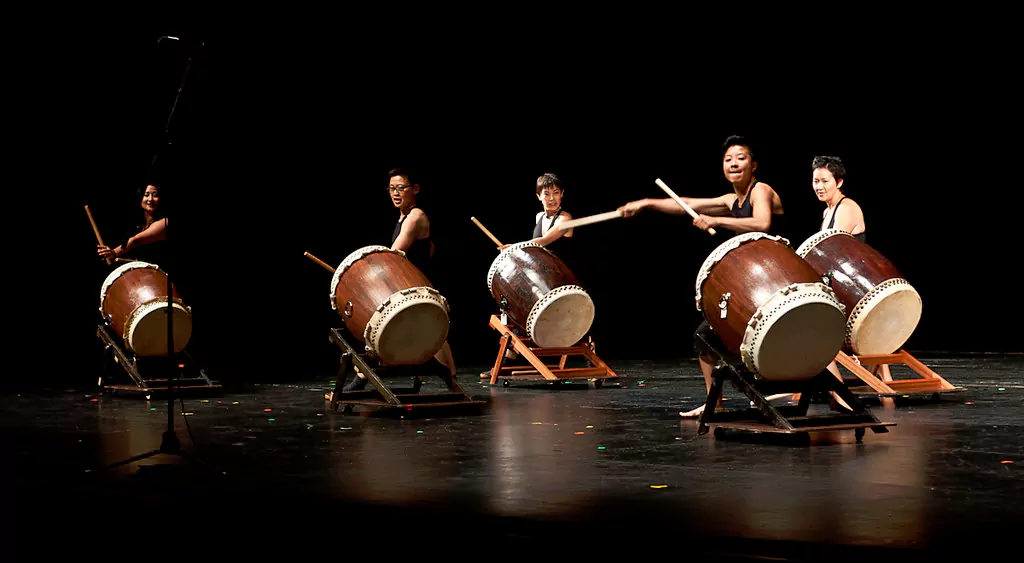
The LGBTQ+ is growing in representation, and there are several groups creating safe, inviting drumming spaces.
Progressive taiko programs for individuals with physical or cognitive impairment have also developed.
IV. Case Studies
A. San Jose Taiko (USA)
What an ambassador of culture and priesthood S.J.T.is, since it’s inception in 1973. Their programs range from public schools, correctional facilities, and international cultural exchange. The group is “culturally pluralist” and inclusive, welcoming members of every background, while honoring Japanese origins.
B. Hibikus Taiko (Germany)
Hibikus Taiko spreads the Japanese culture throughout Germany in the form of workshops and performances. Through their relationship with local arts festivals and education programs, they have shared Japanese music and philosophy with thousands of Europeans.
C. Nagomi Taiko (Japan)
Young and old alike in rural Japan gathering to perform daily exercises and activities together in the community. The group claims this has led to increased village cohesiveness, lower rates of youth outmigration and better intergenerational relationships.
V. Challenges and Considerations
Taiko community work, while rewarding, also has its challenges:
Financing: 68 % of the survey respondents reported financial constraints as an obstacle to program growth.
Access to instruments and instruction: Especially in underprivileged areas or places lacking cultural institutions.
Cultural appropriation: Non-Japanese artists must grapple with issues of authenticity and respectful portrayal.
Leadership training: There is a lack of concrete pipelines for training taiko teachers and community leaders.
VI. Strategies for Maximizing Social Impact
To widen the social contribution of taiko, there are several ways that players and policy makers can address:
Partnership Building: Work with schools, medical clinics, and other resources.
Interdisciplinary (Integration): Pair taiko with therapy, learning, and youth development work.
If you want justice, invest in training leaders, building up organizations, and certifying teachers.
Digital Evolution: Harness the power of distance learning, performance streaming and global connection with your online toolkit.
Exchange and Communion: Promote international cooperation to build mutual understanding and exchange.
VII. Conclusion
Taiko music is more than a rhythmic art, it is a potent social force. People draw collective muscle between them through drumming; connection and purpose and a cultural language in which to coexist dimensionally across age, across ethnicity, across geography. As this study illustrates, both in concept and practice, taiko fosters community solidarity; participates in cultural sustainability; empowers young generations; and assists in mental health enhancement. Taiko cam work as a catalyst for personal and community transformation around the world with intelligent facilitation and inclusive practices. At a time when we hunger for pieces of fortitude, empathy, and unity — taiko resonates as a fierce call to our shared strength and to each other’s humanity.